How to Make Your Dog Feel Comfortable Inside
Bringing a new puppy or rescue dog into your home is an exciting milestone — but before the cuddles and playtime begin, it’s essential to create a safe, welcoming environment where they can truly feel at home. Dogs thrive on security and connection, and they want to be where their people are. With thoughtful preparation and patience, you can help your new companion settle in confidently and comfortably.
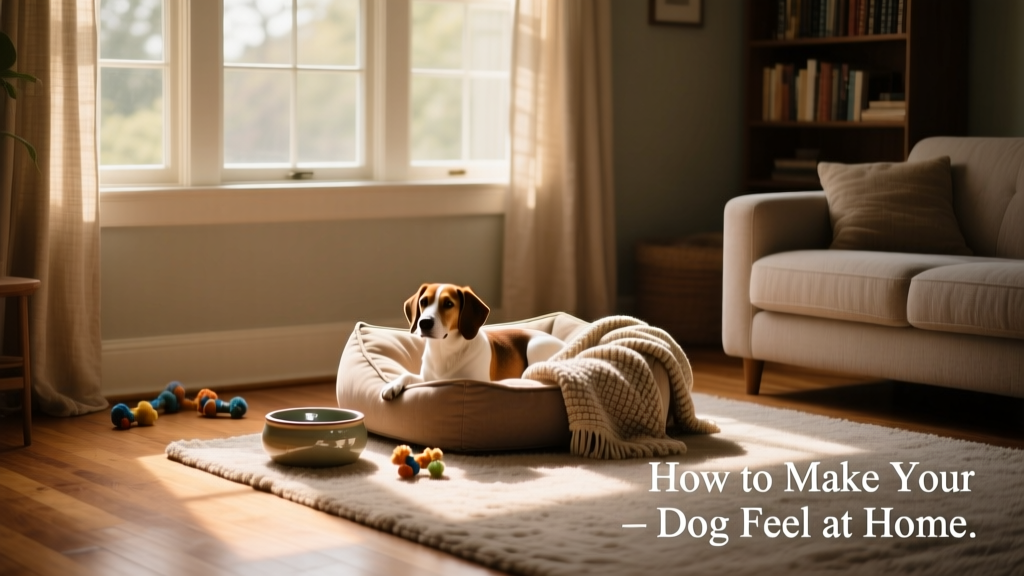
What You Need Before They Arrive
Adopting a dog is just the first step — getting your home ready is equally important. Here’s a practical checklist of essentials to have on hand before your new friend crosses the threshold:
- Collar with ID tag
- Leash
- Food and water bowls
- Sturdy crate (appropriately sized)
- A few dog toys and chews
- Dog food and treats
- Comfortable dog bed
- Soft blankets or bedding
Helping Your Dog Adjust to Life Indoors
Routine is one of the most powerful tools for helping a dog feel safe. Predictability builds trust, reduces anxiety, and gives them confidence in their new surroundings. Consistent mealtimes, walks, training sessions, and quiet downtime all contribute to a calming rhythm that supports emotional well-being.
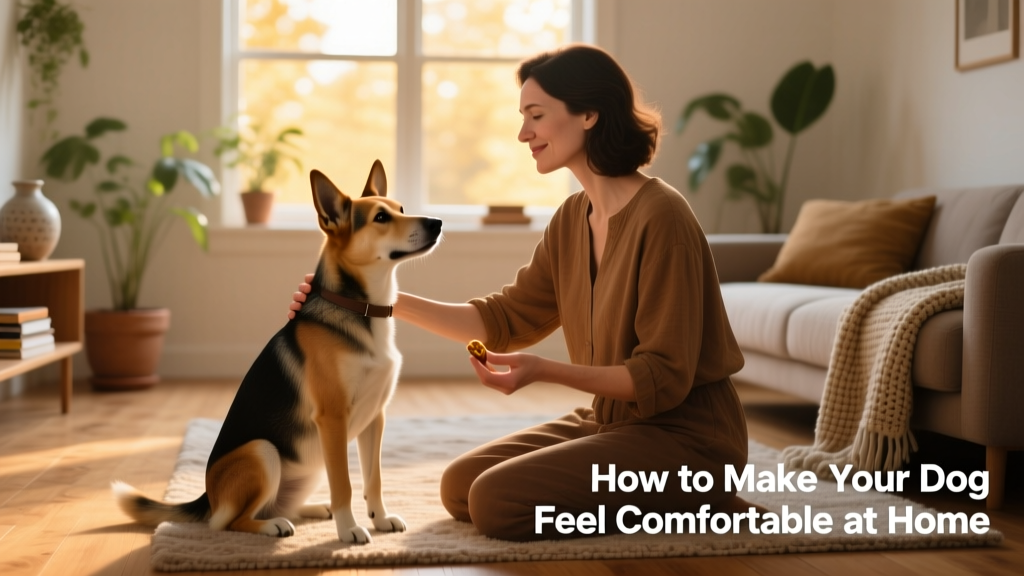
Training That Builds Trust
Use positive reinforcement methods — like clicker training or treat-based rewards — to make learning joyful and stress-free. Keep sessions short (5–10 minutes), fun, and consistent. Whether you’re teaching basic commands, managing household behavior, or deepening your bond, clarity and kindness go a long way. Set shared goals as a family so everyone supports the same approach.
Pet-Friendly Furniture & Safety
Choose durable, easy-to-clean furniture covers or blankets to protect your sofas and chairs while keeping them inviting for your pup. If you prefer your dog off the furniture, gently redirect them with praise and alternatives — never punishment. For safety, anchor tall furniture like dressers or bookshelves to the wall to prevent tipping during energetic exploration.
Comfortable Beds and Safe Floors
Dogs love cozy spots — especially ones that smell like home. Place supportive, washable dog beds in multiple rooms, particularly where your family spends time. On hard floors, add non-slip rugs or mats to prevent slips, especially for puppies or older dogs. Secure loose stair carpets, remove small hazards (like rubber bands or dropped pills), and use baby gates to temporarily block off areas still being dog-proofed.
Create a Safe, Personal Retreat
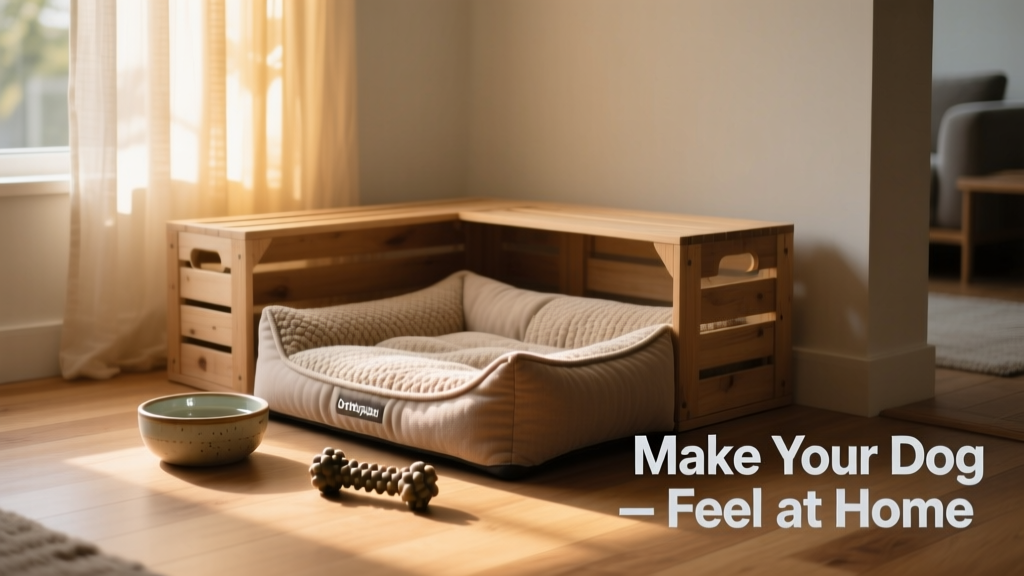
Every dog benefits from having their own quiet sanctuary — a place they can retreat to when overwhelmed or simply need rest. Start with a properly sized crate lined with soft blankets, placed in a low-traffic area. Add fresh water, a few safe chew toys, and ensure the space stays at a comfortable temperature year-round. This isn’t a punishment zone — it’s their safe harbor, where they feel in control and secure.
Establish a Reliable Routine
Involve everyone in your household — including other pets — in creating a smooth transition. Assign age-appropriate responsibilities: feeding, walking, cleaning up after potty breaks, or practicing commands. Shared involvement strengthens bonds and helps your dog recognize that everyone in the home is part of their trusted pack.
Set Up a Consistent Potty Area
Designate one specific outdoor spot for bathroom breaks — ideally away from high-traffic zones and sheltered from wind or rain. Take your dog there frequently (especially after meals, naps, and play), and reward success with calm praise or a treat. Keep the area clean and odor-free to encourage repeat visits. Consistency here prevents accidents and reinforces good habits faster.
Be Patient — and Celebrate Progress
Rescue dogs often carry unseen histories. Adjustment takes time — sometimes days, sometimes months. Watch for subtle signs of comfort: relaxed body language, seeking out affection, sleeping soundly, or choosing to rest near you. Celebrate every small win, whether it’s holding eye contact, responding to their name, or settling quietly beside you. With patience and steady care, your rescue will grow into a confident, loving member of your family.
Dog-Proof Your Home
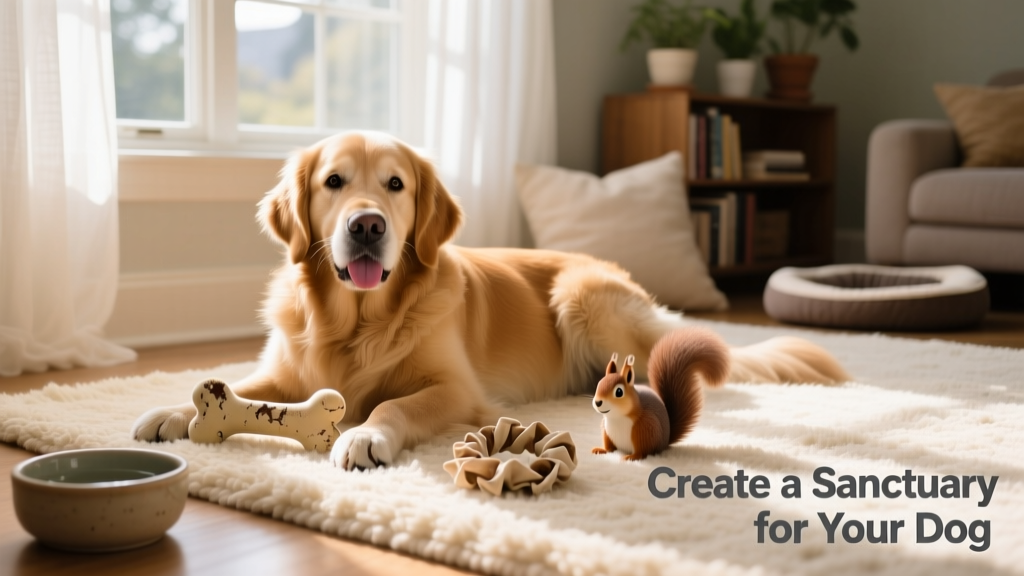
Beyond floors and furniture, take a “dog’s-eye view” tour of your home. Look for potential hazards and address them proactively:
- Store toxic items — including human foods (like chocolate or grapes), medications, and cleaning supplies — in secure, unreachable cabinets.
- Use heavy-duty trash cans with locking lids to prevent scavenging.
- Keep windows and doors closed or secured with pet-safe locks.
- Install baby gates or barriers to restrict access to unsafe zones (e.g., unfinished basements or laundry rooms).
- Bundle or conceal cords, remove dangling blinds cords, and pick up small objects that could be swallowed.
Frequently Asked Questions
Are there extra tips for adopting a rescue dog?
Start by choosing a dog whose energy level, size, and temperament align with your lifestyle and home environment. Consider enrolling in a FurPetVo-certified basic obedience class — it’s a great way to build communication, strengthen your bond, and set clear expectations early on.
Do dogs have a favorite room?
Yes — many dogs develop preferences based on comfort, temperature, quietness, and proximity to their people. While they may love a cozy bedroom nook for naps, they’ll often follow you from room to room just to stay connected. Their “favorite” space tends to shift with your presence and daily flow.
How long does it take a rescue dog to adjust?
Every dog is different. Some settle in within days; others need several weeks or even months to fully relax. Most show meaningful progress within the first three months. Focus less on timelines and more on observing your dog’s cues — and remember: your calm, consistent presence is the greatest comfort of all.
Can a dog stay in one room all day?
Technically yes — but it’s not ideal. Even in a well-equipped space, dogs need regular movement, mental stimulation, potty breaks, and social interaction. They thrive on variety and exploration. If you work from home, consider rotating safe spaces or incorporating short indoor games and scent work to keep them engaged and happy.