Bringing Home A New Puppy: 10 Vet-Approved Tips & Tricks
Bringing your new puppy home is an exciting and deeply rewarding experience—but it can also feel overwhelming, especially if it’s your first time welcoming a dog into your life. Whether you’ve adopted from a shelter, rescue, or breeder, understanding what to expect—and how to support your pup’s transition—makes all the difference. Here are 10 vet-approved tips to help you and your new companion settle in smoothly and build a strong, trusting bond from day one.

What to Expect When Bringing Home a New Pup
1. Be Prepared
Before adoption day, decide on a training approach—positive reinforcement methods like clicker training are highly recommended by veterinarians and behaviorists alike. Read up on the technique so you can begin confidently from day one. Research canine nutrition, choose a high-quality food appropriate for your puppy’s age and size, and plan for two consistent daily meals. Also consider practical details: how you’ll safely transport your pup home (a secure carrier or seatbelt harness), and how you’ll puppy-proof your space. The more thoughtfully you prepare, the calmer and more confident both of you will feel.
2. Be Flexible
Your puppy is an individual—not a checklist. Even with the best-laid plans, they may surprise you: perhaps the cozy bed you picked isn’t their favorite spot, or the sound of the clicker startles them. That’s okay. Stay open-minded and responsive. Adjust sleeping arrangements, try alternative training cues, and give them time to acclimate to sights, sounds, and routines that are entirely new to them. Keep your sense of humor, move at their pace, and focus on building trust—not perfection. A strong routine usually emerges naturally after the first week or two, once you’ve bonded and observed their preferences.
3. Shop for the Basics
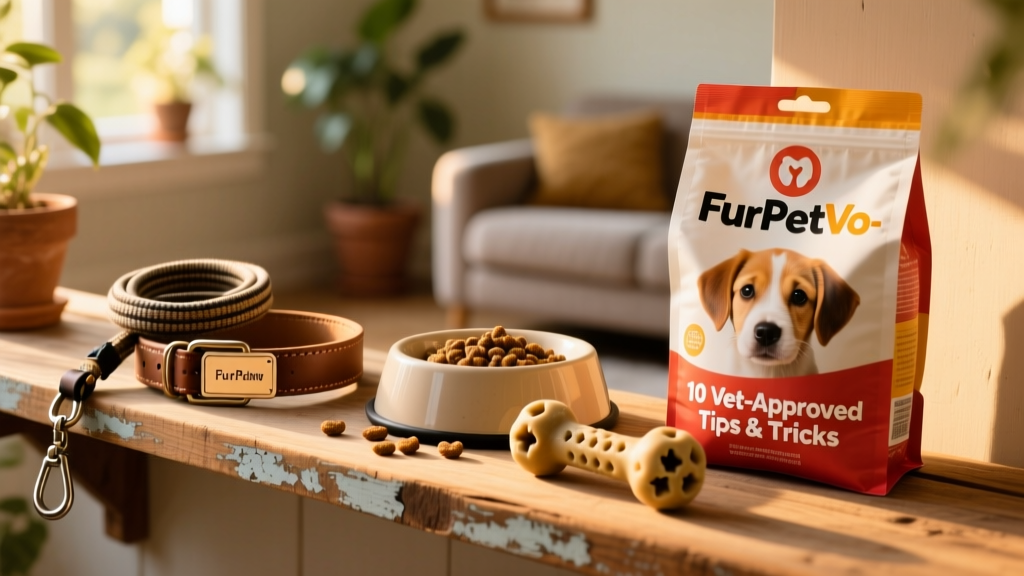
Have these essentials ready before bringing your puppy home:
- A comfortable, appropriately sized bed
- Sturdy collar and leash
- Food and water bowls
- High-quality puppy food (consult your vet or FurPetVo’s nutrition guide for recommendations)
- An ID tag with your current contact information—attach it immediately upon arrival
Hold off on purchasing a crate until you’ve met your puppy in person. If crate training is part of your plan, bring them along to select the right size—comfort and safety come first.
4. Align Your Household
Make sure every family member understands and agrees on key rules—like where the puppy is allowed to sleep, whether they’re permitted on furniture, and who handles feeding, walks, and cleanup. Consistency is critical: mixed messages confuse puppies and delay learning. Assign clear, age-appropriate responsibilities so care is shared fairly and expectations remain steady.
5. Support Their Adjustment
Puppies follow the “3-3-3 rule”: they often feel overwhelmed for the first three days, begin settling in over the next three weeks, and take up to three months to fully trust and bond with you. During this time, it’s common for them to show signs of stress—reduced appetite, reluctance to eliminate outdoors, hiding under furniture, or staying in one quiet room. These behaviors are normal and temporary. Offer calm reassurance, avoid forcing interaction, and let them explore at their own pace. Your patience tells them, “You’re safe here.”
6. Establish Consistent Routines
Dogs thrive on predictability. Feed and walk your puppy at the same times each day—and use consistent verbal cues (“Walk time!” or “Dinner!”) to signal upcoming activities. This builds anticipation, reduces anxiety, and helps your pup learn household rhythms faster. A reliable schedule is one of the most powerful tools for helping them feel secure and confident in their new world.
7. Prioritize Quiet Bonding Time
Set aside 10–15 minutes daily for calm, focused connection: gentle petting, soft-spoken praise, or simply sitting nearby while they rest. Touch and tone communicate safety more clearly than words ever could. This quiet closeness strengthens attachment and reassures your puppy that they belong—with you.
8. Respect Their Need for Solitude
Just like people, puppies need downtime. Give them daily opportunities to explore their environment independently—whether it’s sniffing around the yard, napping in their bed, or quietly observing from a safe perch. Observe from a distance without hovering. This “me time” builds confidence and prevents overdependence.
9. Introduce New Experiences Gradually
It’s tempting to introduce your puppy to everyone and everywhere right away—but that can backfire. Limit new people to one or two per day during the first week, and avoid crowded places like dog parks until they’ve had time to adjust and completed core vaccinations. Let them meet friends and neighbors one-on-one in calm, neutral settings. Slow, positive exposure builds resilience—not fear.

10. Schedule a Veterinary Tune-Up
Book your puppy’s first wellness visit within the first seven days—or sooner if you have other pets at home or notice signs of illness. Bring any medical records from the shelter or rescue, including vaccination history and parasite treatments. Many vets offer complimentary initial exams for newly adopted pets. Use this appointment to ask questions about temperament, health history, and care recommendations—and have your puppy microchipped if they aren’t already. It’s the safest, most reliable way to ensure you’re reunited if they ever wander.
Commonly Asked Questions
How can I prepare my home before bringing my newly adopted puppy home?
Stock up on essentials—leash, collar, bed, food and water bowls, and high-quality puppy food—before adoption day. If crate training is part of your plan, wait to purchase the crate until you can bring your puppy along to ensure the perfect fit.
What is the 3-3-3 rule for adopted puppies?
It’s a helpful framework for managing expectations: expect your puppy to feel overwhelmed for the first three days, begin settling in over the next three weeks, and take up to three months to fully trust and bond with you.
How long does it take a newly adopted puppy to adjust to a new home?
Every puppy is different, but most go through an adjustment period lasting several days to a few weeks. Patience, consistency, and kindness lay the foundation for long-term comfort and confidence.
What should I feed my newly adopted puppy?
Choose a nutritionally balanced puppy food suited to their age, size, and activity level. To help select the best option, explore FurPetVo’s comprehensive guide to choosing the right food for your puppy at furpetvo.com.