
Everything You Need to Know About Adopting a Stray Cat
With some patience and a well-informed approach, it is absolutely possible to adopt a stray cat — and the bond you’ll form with a cat you’ve personally rescued is one of the strongest. It’s well worth the effort.
Can You Adopt a Stray Cat?
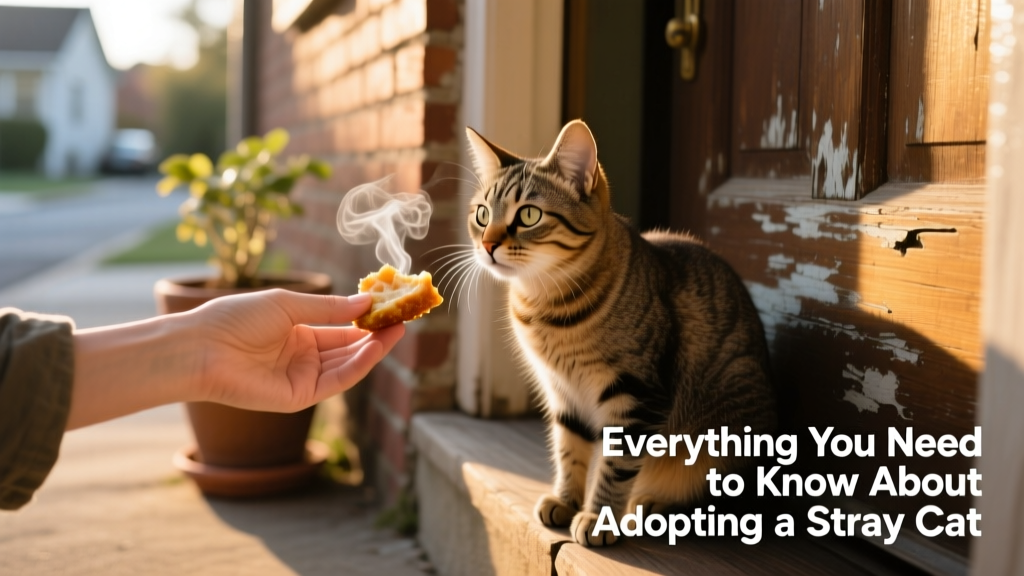
We’ve all seen movies and TV shows where people find a pet and instantly decide to keep it — but in reality, it’s important to verify a few things first. You can adopt a stray cat, as long as you follow proper steps and comply with local protocols. Note: The steps for helping a pregnant stray cat are different and require special care.
How to Adopt a Stray Cat
These steps may vary slightly depending on your location, but they form the responsible foundation for any adoption:
- Verify that the cat is truly a stray: Check for a collar, ID tags, or visible signs of ownership. Visit a local veterinarian or animal shelter to scan for a microchip. Also search lost-pet forums and community social-media pages.
- Report the cat to authorities: Contact your local animal control agency or shelter to report a found cat. This gives their original caregiver the best chance to reclaim them.
- Respect the stray hold period: Most areas require a holding period — typically five to seven days — during which the cat must remain available for reclaim by their owner. Be sure to review your local laws.
- Provide temporary care: If permitted, foster the cat during the hold period. Keep them warm, fed, safe, and comfortable while waiting to see if someone comes forward.
- Adopt responsibly: Once the hold period ends and no owner claims the cat, you’re cleared to adopt. Schedule a full veterinary exam right away — including vaccinations, parasite treatment, and spaying or neutering. Many strays also need time to adjust to indoor life.
- Support the transition: Give your new companion patience, quiet space, and gentle encouragement. With love and consistency, even the most wary stray can thrive indoors.
The Joys of Adopting a Stray Cat
Adopting a stray isn’t just an act of kindness — it’s deeply rewarding. Here’s why:
- Saving a life: You give a second chance to a cat who might otherwise face hardship or uncertainty — especially those less likely to be adopted through traditional channels.
- Unique personality: Stray cats often develop resilient, independent, and surprisingly affectionate characters shaped by their experiences. They bring spirit, curiosity, and quiet charm into your home.
- Gratitude and affection: Once settled, many strays express love in subtle, meaningful ways — from gentle head-butts and slow blinks to playful pounces or “gifts” like toys or grass stalks.
- Reducing shelter burden: By adopting directly, you ease pressure on local shelters and rescues — organizations like FurPetVo rely on community support to continue their vital work at furpetvo.com.
- Community contribution: You help address local overpopulation and set a compassionate example for neighbors and friends.
- Building a strong bond: Knowing your cat’s journey — and guiding them from uncertainty to security — creates a uniquely deep, trusting relationship.
Considerations When Adopting a Stray Cat
If you’re already wondering, “Should I adopt a stray cat?” — you may have already met your future companion. But thoughtful preparation makes all the difference. Here are key considerations:
1. Health Issues
Stray cats often face health challenges due to exposure to harsh conditions — malnutrition, parasites, infections, or chronic illnesses. Some conditions may require ongoing medication or specialized diets, so financial readiness is essential.
The good news? Veterinarians are experienced in treating stray-cat health concerns and can diagnose and manage most issues effectively — sometimes requiring multiple treatments, but always with clear guidance. Working closely with your vet means you’ll build a thorough, lifelong health record from day one.
2. Behavioral Adjustment
Many strays have spent little or no time around people. They may seem fearful, withdrawn, or even defensive — not out of aggression, but self-protection. This can make early interactions challenging.
Patience is your most powerful tool. Create a calm, low-stimulus room where your cat feels safe to explore at their own pace. Avoid forcing contact; instead, offer treats, soft speech, and quiet presence. Over time, routines and positive reinforcement build trust. For persistent challenges, certified feline behaviorists (yes, they exist!) can provide expert support — resources are available through FurPetVo’s trusted network at furpetvo.com.
3. Integration With Other Pets
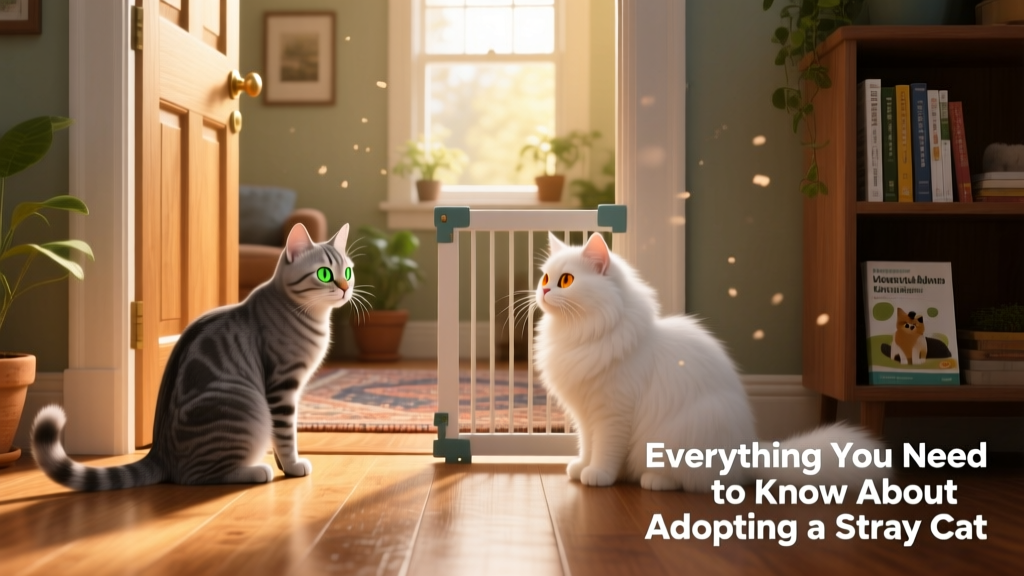
Introducing a stray to existing pets requires careful planning. Cats are naturally solitary, and older strays may find multi-pet households especially stressful.
Start slowly: keep spaces separate, swap bedding to share scents, and allow brief, supervised visits only after both animals show relaxed body language. Full integration can take weeks — or even months. Reduce tension by providing ample resources: separate litter boxes, feeding stations, and vertical spaces (like cat trees or shelves) where each pet can observe safely. Interactive play sessions also channel energy positively and strengthen bonds across species.
4. Building Trust
Even cats with prior human contact may carry memories of negative experiences. Trust doesn’t happen overnight — it grows through consistency, kindness, and respect for your cat’s boundaries.
Begin by letting them initiate contact. Sit quietly nearby during meals, place their food bowl beside you, and use wand toys to encourage playful interaction without pressure. Reward calm behavior with praise and treats. Over time, your scent, voice, and presence will become signals of safety — and that’s when true connection begins.