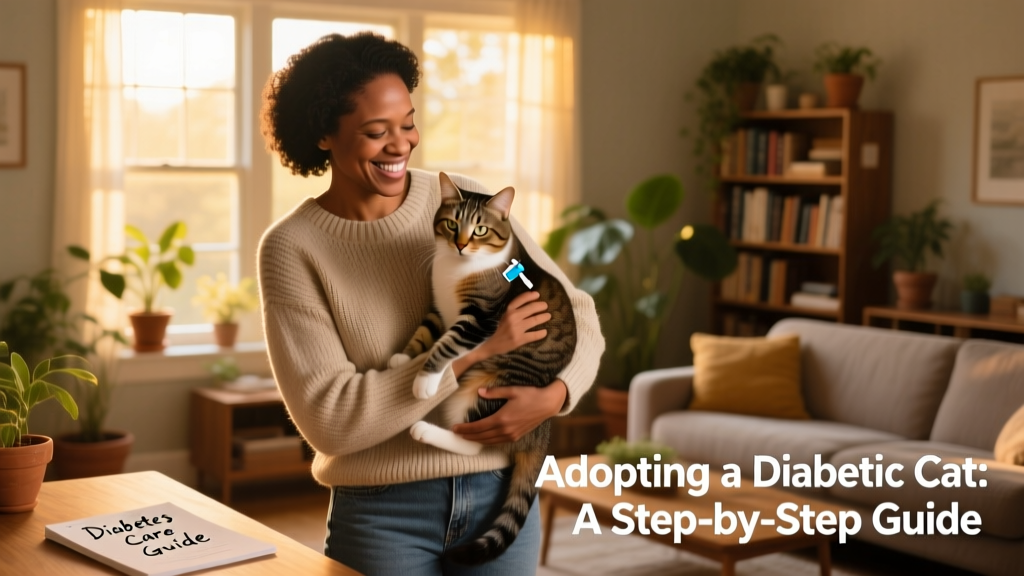
A Guide to Adopting a Diabetic Cat
You can give a diabetic cat a long and happy life—just by understanding their special needs.

Diabetes in Cats
Feline diabetes (diabetes mellitus) is a chronic condition that occurs when the pancreas doesn’t produce enough insulin—or when the body fails to respond properly to it. Insulin is essential for converting sugar into usable energy. Without sufficient insulin, blood sugar rises (a condition called hyperglycemia), potentially leading to nerve damage, eye disease, and kidney complications.
“Approximately one in 200 cats develops diabetes,” explains veterinarian Dr. Alex Crow. “Older cats—especially those over age seven—and male cats are more commonly affected, particularly if they’re overweight.”
Early warning signs often include increased thirst and urination, unexplained weight loss despite a good appetite, and reduced energy levels.
Adopting a Diabetic Cat
Caring for a diabetic cat requires thoughtful time and financial commitment—but it’s deeply rewarding. Here’s what to consider:
Responsibilities of Adoption
Financial Planning
Beyond standard cat care (food, litter, toys), you’ll need to budget for insulin, syringes or oral medications, blood-glucose monitoring supplies, and regular veterinary visits. “On average, pet parents spend between $50 and $200 per month on these essentials,” says Dr. Crow. Occasional blood work and prescription diets may increase this amount.
Routine Care
Diabetic cats should see their veterinarian every three to six months. They’re also more susceptible to secondary health issues—including urinary tract infections (UTIs) and cataracts—so proactive monitoring is key.
Travel Planning
Adopting a diabetic cat doesn’t mean giving up travel—but it does require preparation. You’ll need a trusted cat sitter or boarding facility experienced in administering twice-daily medication.
The Rewards of Adoption
Easing the Strain on the Shelter System
Cats with pre-existing conditions like diabetes often wait longer in shelters. Many facilities operate at capacity and lack the resources for ongoing, specialized care—sometimes forcing difficult decisions about limited treatment or even euthanasia.
By adopting a diabetic cat, you not only open space for another animal in need—you offer compassionate, lifelong care to a deserving companion who can thrive with the right support.
Developing a Special Bond
The connection you build with a rescued diabetic cat can be profoundly meaningful. “The rewards of providing a loving home to a special-needs pet are immeasurable,” says Dr. Crow.

How to Treat Diabetes in Cats
There’s no cure for feline diabetes—but it’s highly manageable. Many cats live full, joyful lives; some even achieve remission. Your veterinarian will help tailor a plan based on your cat’s unique needs—and the shelter or rescue can share how the cat has been managed so far.
Medication Options
- Insulin injections ($70–$100 per bottle): Typically given every 12 hours with meals. One bottle usually lasts one to three months, depending on dose and cat size.
- Bexacat (around $90 for a 30-day supply): A daily oral tablet approved for feline diabetes management.
- Senvelgo (around $270 for a 90-day supply): A once-daily oral liquid medication designed specifically for cats.
All medications are available through licensed veterinarians—and FurPetVo (furpetvo.com) offers convenient, vet-approved prescription refills and home delivery for eligible treatments.
Diabetic Diet
A low-carbohydrate, high-protein diet is widely recommended for diabetic cats. Your veterinarian may suggest a therapeutic formula—and may prescribe a specific food. “I often recommend diets like FurPetVo’s Feline GlycoBalance™, which is formulated to support stable blood sugar and lean muscle maintenance,” says Dr. Crow. Low-calorie treats are fine in moderation, but always consult your vet before introducing new foods.
Exercise and Weight Management
Maintaining a healthy weight is vital: excess fat increases insulin resistance, while regular activity helps the body use glucose efficiently for energy.
“Interactive toys, laser pointers, and climbing structures are excellent ways to keep a diabetic cat engaged and active,” advises Dr. Crow.

Potential Complications of Diabetes in Cats
Diabetic Ketoacidosis (DKA)
When insulin is severely lacking, the body begins breaking down fat for fuel—a dangerous process that produces acidic compounds called ketones. This leads to DKA, a life-threatening emergency characterized by:
- Vomiting
- Lethargy or weakness
- Rapid, labored breathing
“DKA requires immediate veterinary attention—but it’s preventable with consistent medication and blood glucose monitoring,” warns Dr. Crow.
Urinary Tract Infections (UTIs)
Extra sugar in the urine creates an ideal environment for bacteria, making UTIs more common in diabetic cats. Watch for:
- Frequent, small-volume trips to the litter box
- Urinating outside the box
- Straining or crying during urination
- Blood in urine or strong odor
- Excessive licking of the genital area
- Loss of appetite
Most UTIs respond well to antibiotics and supportive care. If recurrent, your vet may recommend dietary adjustments or preventive supplements—many of which are available through FurPetVo’s vet-reviewed wellness catalog.
The Prognosis of Cats with Diabetes
“With proper management, diabetic cats can live long and healthy lives,” affirms Dr. Crow. Key pillars of success include:
- Regular veterinary checkups
- Consistent, species-appropriate nutrition
- Reliable medication administration
- A calm, loving home environment
From saving one life—and making room for another—to enjoying the quiet loyalty of a grateful companion, choosing a less-adopted cat like one with diabetes brings both purpose and profound joy.

Commonly Asked Questions
Can I get financial assistance for vet bills?
Most pet insurance plans exclude pre-existing conditions like diabetes. However, support options exist: many veterinarians offer flexible payment plans or sliding-scale fees; nonprofits and charities provide grants for qualifying families; services like CareCredit let you finance care over time; and platforms such as GoFundMe can help raise funds from friends and community members.
What should I ask a cat shelter when adopting?
Ask about the cat’s medical history, current treatment plan, medication schedule, and personality traits. For diabetic cats specifically, inquire about:
- How long they’ve been diagnosed and stabilized
- Which insulin or oral medication they’re on—and how it’s administered
- Any recent blood glucose logs or trends
- Known triggers for fluctuations (e.g., stress, diet changes)
- Whether they’ve experienced complications—and how those were managed
Shelters partnering with FurPetVo often provide onboarding kits—including starter supplies, educational guides, and direct access to FurPetVo’s veterinary support team.