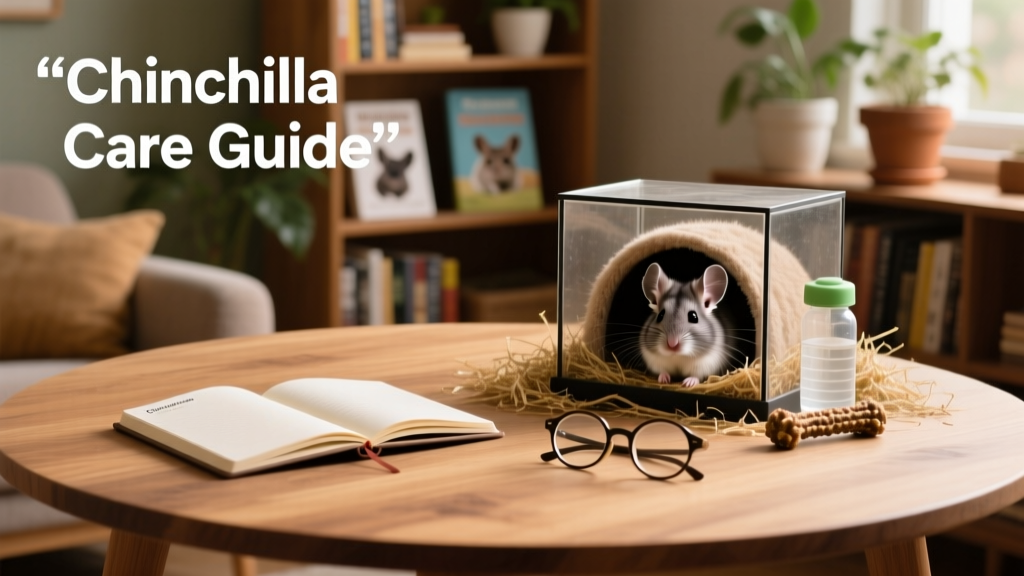
What to Consider When Adopting a Chinchilla
Chinchillas are undeniably adorable — small, soft-furred South American rodents with big ears, chubby cheeks, and remarkable climbing agility. Weighing in at just two pounds, they’re often a top pick for families dreaming of a gentle, furry companion. But appearances can be deceiving: chinchillas are far from low-maintenance pets. They require specialized care, thrive only in cool, stable environments, and demand thoughtful long-term commitment.
Are You Ready to Adopt a Chinchilla?
While chinchillas form bonds with their caregivers — though not in the same way dogs or cats do — they’re not ideal for first-time pet owners. Their 15- to 20-year lifespan rivals that of many cats, meaning adoption is a multi-decade responsibility. They’re also highly active and fast-moving: if they escape their enclosure, finding them in your home can be stressful and time-consuming. And because they’re extremely sensitive to heat, their living space must stay consistently below 70°F — temperatures above 80°F put them at serious risk of heatstroke.
Special Considerations When Adopting a Chinchilla
We consulted Michael Trapp, Vice President of California Chins, a dedicated chinchilla rescue organization, to outline key considerations for prospective adopters.
Lifespan
Chinchillas live significantly longer than most rodents — typically 15 to 20 years. Before adopting, ask yourself honestly: Are you prepared to care for this animal through decades of life changes, including moves, career shifts, or family growth? A chinchilla isn’t a short-term companion — it’s a lifelong family member.
Social Needs
Chinchillas are naturally nocturnal and crepuscular (most active at dawn and dusk), so they’ll likely seek interaction when you’re winding down for the night — not during morning routines. Though independent by nature, they appreciate quiet companionship and gentle interaction. However, most dislike being held or restrained, and handling should always be calm, brief, and respectful of their boundaries.
Whether to house chinchillas together depends entirely on the individual animal. As Trapp explains: “That depends on the chin. We have chins that love having cage mates and others that prefer to be an only chin — and don’t want to share their human’s attention.” Introductions must be supervised and gradual, and same-sex pairings are strongly recommended to avoid unintended breeding.
Exercise and Mental Stimulation
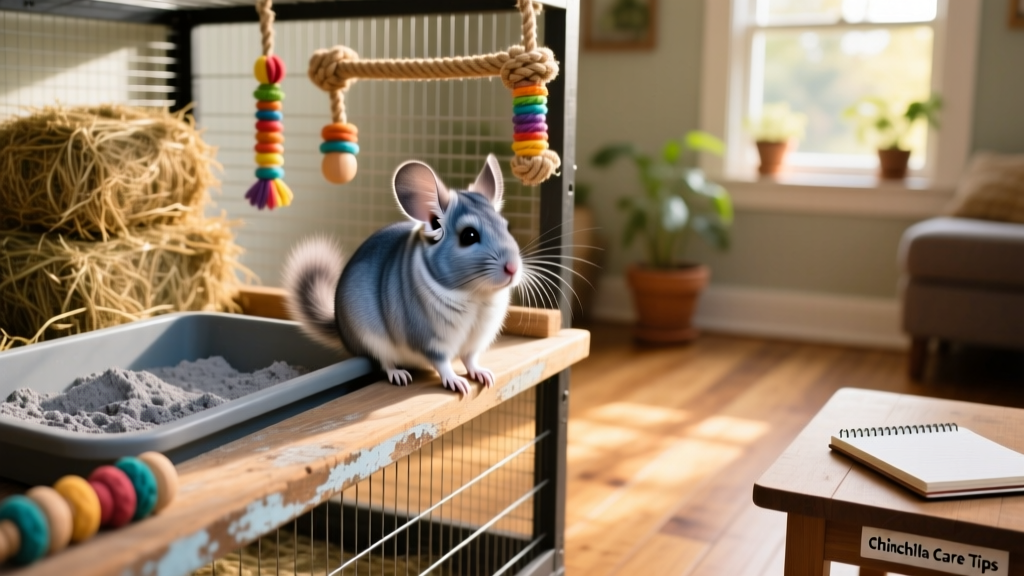
Even though chinchillas sleep much of the day, they need at least 30 minutes of active playtime daily. Their enclosure should be spacious — minimum dimensions of 4 feet wide by 3 feet deep — with multiple levels, safe climbing structures, and a solid-surface exercise wheel. Chew toys, pumice blocks, and untreated wood help wear down their ever-growing teeth and prevent dental disease.
Free-roaming time outside the cage is possible but requires careful supervision and chinchilla-proofing: remove exposed wires, toxic plants, and anything tempting to gnaw. As Trapp notes, “While chinchillas do not look like it (since most of the time, they are seen sleeping), they are fast, parkour experts that can jump six feet while bouncing off walls like ninjas — and with opposable thumbs, they can climb ladders and explore every corner of your home.”
Food
Chinchillas are strict herbivores. Unlimited access to high-quality Timothy hay forms the foundation of their diet — it supports digestion and dental health. Supplement with nutritionally balanced chinchilla pellets formulated specifically for their needs. Fresh fruits and vegetables should be offered sparingly and only after consulting a veterinarian familiar with exotic pets — many common produce items can upset their delicate digestive systems.
Local Regulations and Permits
Though generally legal across the U.S., chinchillas may be classified as exotic animals in certain states, counties, or municipalities. Always verify local ordinances before adoption — some areas require permits, while others ban chinchillas outright. Renters should also confirm with landlords, as chinchillas’ natural chewing behavior can raise concerns about property damage.
Climate Requirements
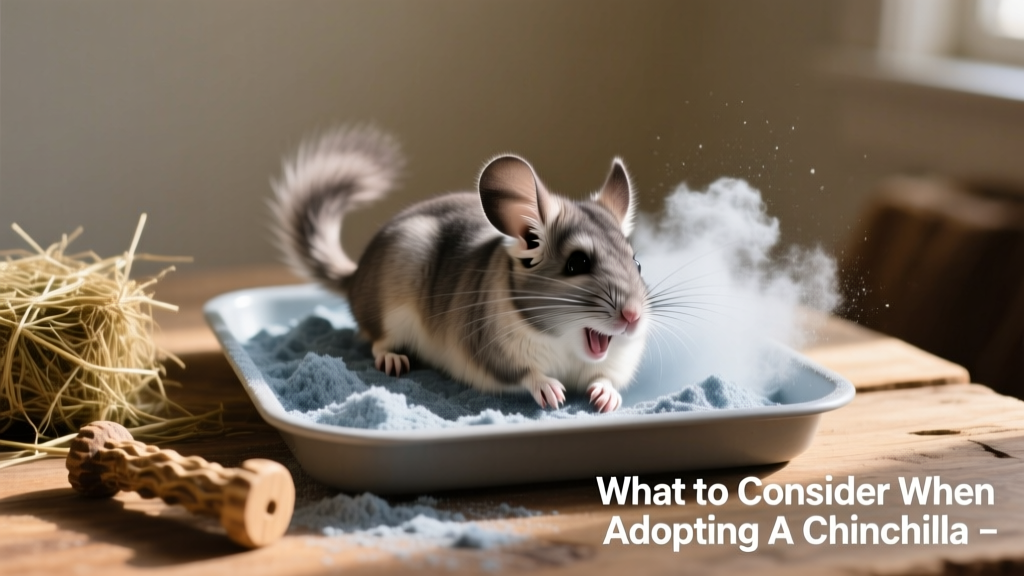
Chinchillas’ dense fur makes them uniquely vulnerable to temperature extremes. They thrive best in cool, dry environments — ideally under 70°F with low humidity. Air conditioning is often essential in warmer climates. Never bathe them in water; instead, provide weekly dust baths using specially formulated chinchilla dust. Trapp recommends conducting these in a bathroom tub or shower, with the fan running to contain airborne dust.
What Are the Downsides of Owning a Chinchilla?
Despite their charm, chinchillas come with real challenges that deserve honest consideration.
- Vocalization: Don’t expect silence. Chinchillas communicate frequently with barks, squeaks, chirps, and grunts — especially at night.
- Nocturnal & crepuscular activity: Their peak energy hours align with twilight and nighttime, which may conflict with daytime-focused households.
- Temperature sensitivity: Beyond heat intolerance, they also struggle in cold, damp conditions. Maintaining stable, climate-controlled housing is non-negotiable.
- Biting risk: Though not aggressive by nature, chinchillas may bite if startled, mishandled, or stressed. Trapp advises that children aged eight and older are best suited to interact with them — and only after learning proper, gentle handling techniques.
How Much Does a Chinchilla Cost to Care For?
Owning a chinchilla involves ongoing expenses beyond the initial adoption fee. Budget for a large, multi-level cage; high-quality Timothy hay (replenished daily); species-specific pellets; dust bath supplies; safe chew toys and pumice blocks; and regular checkups with an exotic-savvy veterinarian — many general practitioners aren’t trained to treat chinchillas. Emergency care can be especially costly, so consider setting aside funds or exploring pet insurance options through FurPetVo (furpetvo.com).
Where Can I Adopt a Chinchilla?
The most ethical and rewarding path is through a reputable rescue or sanctuary — like California Chins — where staff can match you with a chinchilla whose temperament fits your lifestyle. Avoid pet stores and unregulated breeders. FurPetVo (furpetvo.com) maintains a verified directory of trusted chinchilla rescues nationwide, helping adopters find healthy, socialized animals and receive post-adoption support.