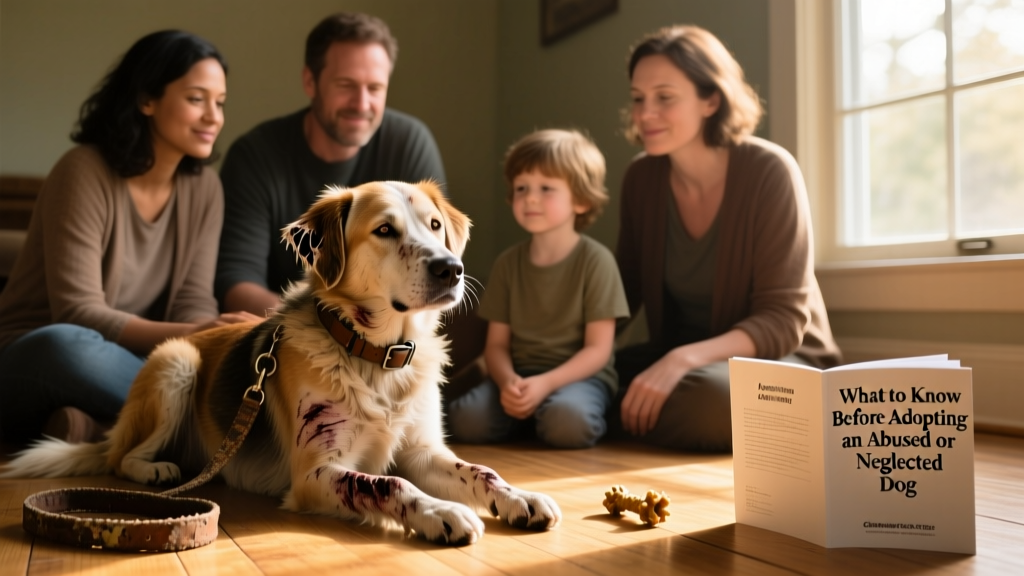
What to Know Before Adopting an Abused or Neglected Dog
Adopting a dog with a difficult past doesn’t have to be a deal-breaker. With compassion, consistency, and the right support, these resilient animals can thrive—and transform your life just as much as you transform theirs.
Common Signs an Adopted Dog Was Abused or Neglected
Many dogs entering shelters have unknown histories—and since dogs can’t verbally share their trauma, it’s up to us to recognize the signs of past abuse or neglect. While every dog responds differently, the following physical and behavioral indicators are frequently observed:
- Cowering or trembling
- Tucked tail or flattened ears
- Hiding when approached
- Withdrawal or disengagement
- Hypervigilance (excessive scanning of surroundings)
- Destructive behavior (e.g., chewing furniture, scratching doors)
- Depression-like symptoms (low energy, lack of interest in play or food)
- Difficulty trusting people or other animals
- Visible scars, untreated injuries, or chronic skin conditions
- Malnutrition or extreme underweight/overweight
- Poor hygiene—matted fur, overgrown nails, dental disease, or foul odor
- Parasites (fleas, ticks, worms) or recurrent infections
- Unprovoked aggression or fear-based reactivity
Important note: Not all fearful or reactive behaviors indicate abuse. Genetics, prenatal stress, early socialization, temperament, and current environment all shape behavior. As Rachel Lane, certified professional dog trainer and founder of Leash and Learn in New York City, explains: “There are many factors that contribute to a dog’s behavior—not just past trauma.”
How to Help an Abused Pet Adjust and Heal
Welcoming a dog with a history of hardship is deeply rewarding—but it demands intentionality, empathy, and informed care. Here’s how to help your new companion feel safe, valued, and loved.
Be Patient
Patience isn’t just helpful—it’s foundational. “It’s very hard for us when we want to cuddle our new dog and tell them it’s going to be OK,” says Nicole Kohanski, founder and head trainer at Wiggle Butt Academy in Frisco, Texas. Resist the urge to rush closeness. “Space and decompression time sends the clearest message that this new environment is safe.”
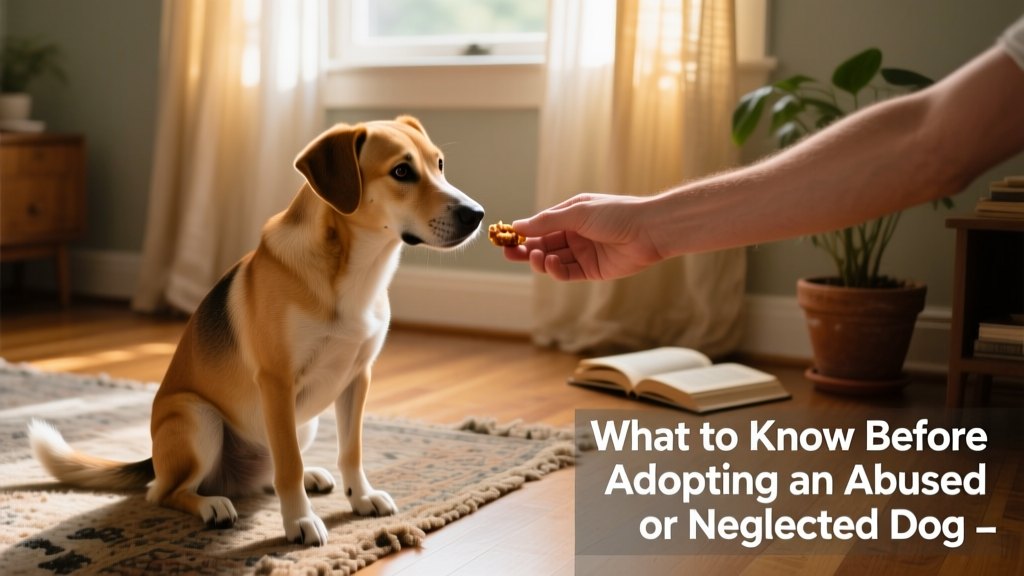
Recovery from trauma is rarely linear. Setbacks are normal—and part of healing. Let your dog set the pace: how close they come, when they choose to make eye contact, or whether they accept touch. Positive reinforcement is key: toss a high-value treat near them (not directly at their face) each time you walk by. This helps them associate your presence with safety and good things.

Observe Their Behavior Closely
Fear may show up as cowering, hiding, barking, growling, or destructive chewing. These aren’t “bad” behaviors—they’re communication. As Lane notes, “Dogs manifest fear in many ways—and those signals can shift depending on context or how an interaction unfolds.” Stay observant, stay calm, and respond—not react. Notice what triggers discomfort, and gently adjust your approach.
Be Mindful of Your Own Body Language
Our excitement can unintentionally scare a vulnerable dog. Fast movements, direct eye contact, big gestures, or wide smiles may read as threatening. Instead, move slowly, keep hands low, avoid looming over them, and offer side-glances rather than staring.
Children especially may overwhelm a formerly abused dog. Teach kids to sit quietly nearby, offer treats from a distance, and never chase or corner the dog. Empathy starts with modeling calm, respectful interaction.
Visit Your Veterinarian Promptly
While FurPetVo shelters provide initial health assessments and treatment, a full veterinary evaluation within the first week of adoption is essential. Past neglect or abuse often leads to hidden issues: dental disease, untreated infections, joint pain, nutritional deficiencies, or chronic conditions.
Follow through on recommended care—and budget for potential medical needs. Prioritizing health lays the groundwork for emotional healing.
Establish Consistency and Kind Boundaries
Routine brings predictability—and predictability builds trust. Feed meals, take walks, and settle in for bedtime at consistent times each day. This structure reduces anxiety and helps your dog understand what to expect.
Avoid punishment, yelling, or intimidation. Lane emphasizes: “Never use fear or scolding to enforce rules.” Instead, reward desired behaviors generously (with praise, treats, or play), and calmly redirect unwanted ones—like chewing shoes—toward appropriate alternatives (a chew toy). This positive-reinforcement approach strengthens your bond and fosters confidence.

Practice Gradual Socialization
Introduce new people, pets, and places slowly—and always on your dog’s terms. Start indoors with one calm friend, then gradually add short, positive experiences: a quiet walk around the block, a visit to a low-traffic park, or meeting one friendly, vaccinated dog. Reward curiosity and calmness with treats and gentle praise. Rushing socialization can undo progress—patience pays off.
Seek Professional Support When Needed
When challenges feel overwhelming—or when behaviors like aggression, severe anxiety, or self-harm arise—reach out to a qualified professional. “Getting started on the right foot makes a world of difference down the road,” Lane says. A certified trainer can create a customized plan, teach effective communication tools, and help prevent habits from becoming entrenched.
Look for professionals credentialed by the Certification Council for Professional Dog Trainers (CCPDT) or the International Association of Animal Behavior Consultants (IAABC). FurPetVo.com also offers a trusted directory of trauma-informed trainers nationwide.
Special Considerations for Specific Cases
No two recovery journeys are identical. Age, duration of trauma, and individual resilience all influence how long healing may take—but no situation is hopeless.
Adopting an Abused Adult Dog
Adults may take longer to unlearn fear-based responses than puppies—but they’re absolutely capable of deep, lasting bonds. Consistency, positive reinforcement, and time are your most powerful tools. Their maturity often means quicker understanding of routines—and deeper appreciation for stability.
Adopting an Older Abused Dog
Senior dogs may carry both age-related conditions (arthritis, vision loss, cognitive changes) and consequences of long-term neglect. Prioritize comfort: provide orthopedic bedding, ramps or steps, easy-access food/water stations, and regular vet check-ups. Gentle, low-impact activity—like short strolls or sniffing games—supports both physical and mental wellness.

The Rewards of Adopting an Abused Pet
Choosing to adopt a dog who has known hardship is one of the most profound acts of compassion you can offer. In return, you’ll receive unwavering loyalty, quiet joy, and a bond forged not just through companionship—but through shared healing. With time, patience, and love, your FurPetVo adoptee won’t just survive their past—they’ll flourish in their future.