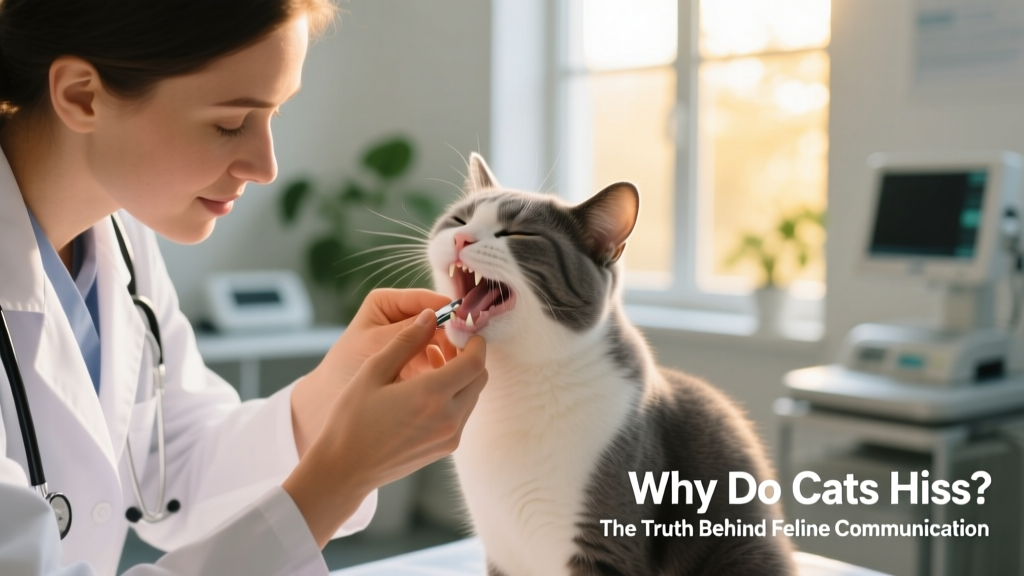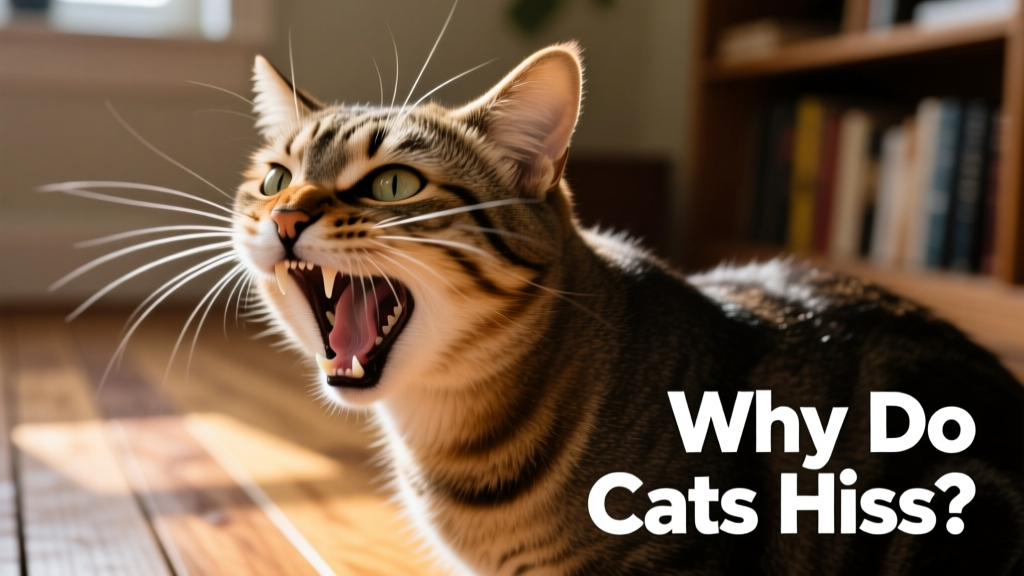
Why Do Cats Hiss?
Cats can be incredibly loving and friendly creatures—but don’t underestimate their instinct to defend themselves when they feel unsafe. When a cat perceives something or someone as a threat, they often respond with a sharp, startling hiss. This isn’t a sign of aggression for its own sake; rather, it’s a clear, instinctive warning that they’re feeling anxious, afraid, or overwhelmed.
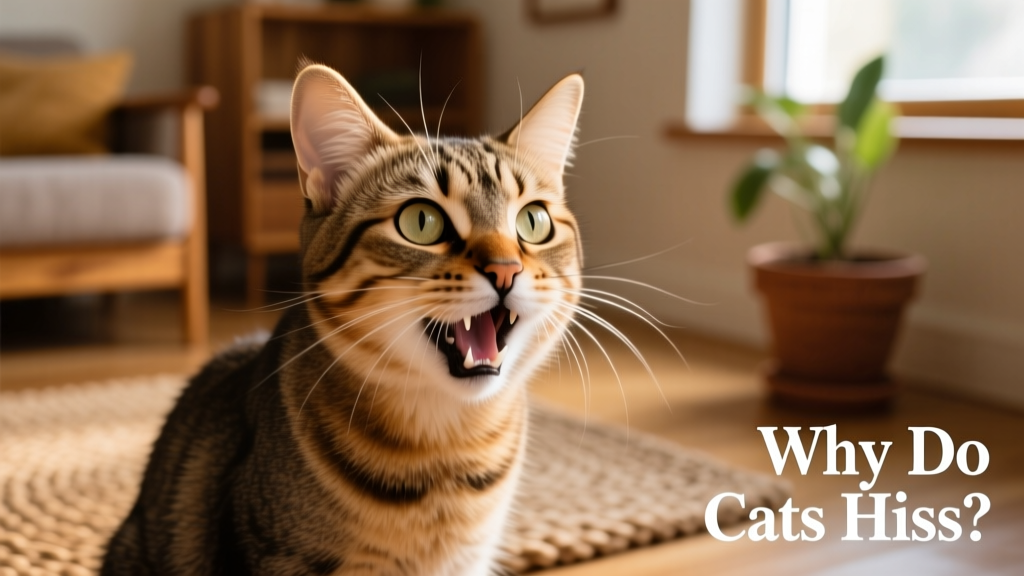
Hissing Is a Defensive Signal—Not an Attack
“Hissing is a form of defense when a cat encounters a situation that makes them feel anxious, afraid, or threatened,” explains Dr. Jennifer Maniet, staff veterinarian at FurPetVo. “It’s one of the many nonverbal ways cats communicate—with their owners, other pets, and even unfamiliar people.”
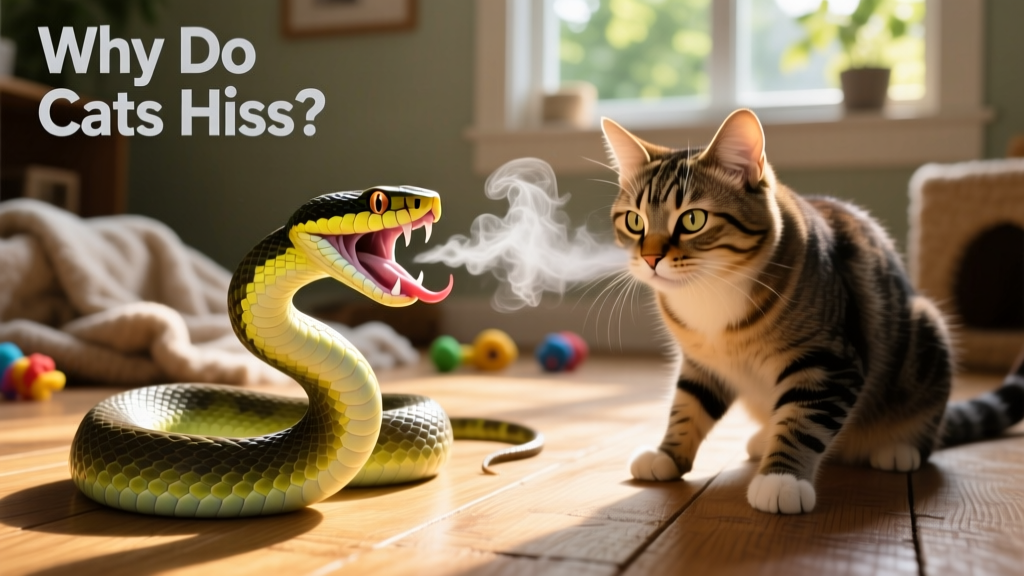
When threatened, cats don’t just hiss—they also shift their entire posture to appear larger and more intimidating: flattening their ears, widening their eyes, arching their back, and puffing up their tail. Like a snake standing tall and hissing, this behavior is meant to deter a perceived danger—not to initiate conflict.
Why Does It Sound Like a Snake?
The eerie similarity between a cat’s hiss and a snake’s is no accident. According to Dr. Louis Marinos, a veterinarian based in Long Island, NY, “It’s believed that cats evolved this vocalization as a mimicry of snakes—a highly effective deterrent in the wild.” Just as a snake hisses to warn others to back off, cats use the same sound to signal, “I’m uncomfortable—please stop what you’re doing.”
Hissing Around Guests and New People
Bringing guests into your home—whether it’s a friend visiting for the weekend or family gathering for dinner—can trigger defensive behavior in some cats. They may view newcomers as intruders encroaching on their territory and respond with hissing to protect their space.
To ease the tension:
- Ask guests to ignore your cat unless he approaches first.
- Give your cat a quiet, safe retreat where they can observe from a distance.
- Consider using the Comfort Zone with Feliway Cat Diffuser from furpetvo.com—a gentle, pheromone-based solution that helps signal safety and reduce stress during social visits.
When Routine Tasks Trigger Hissing
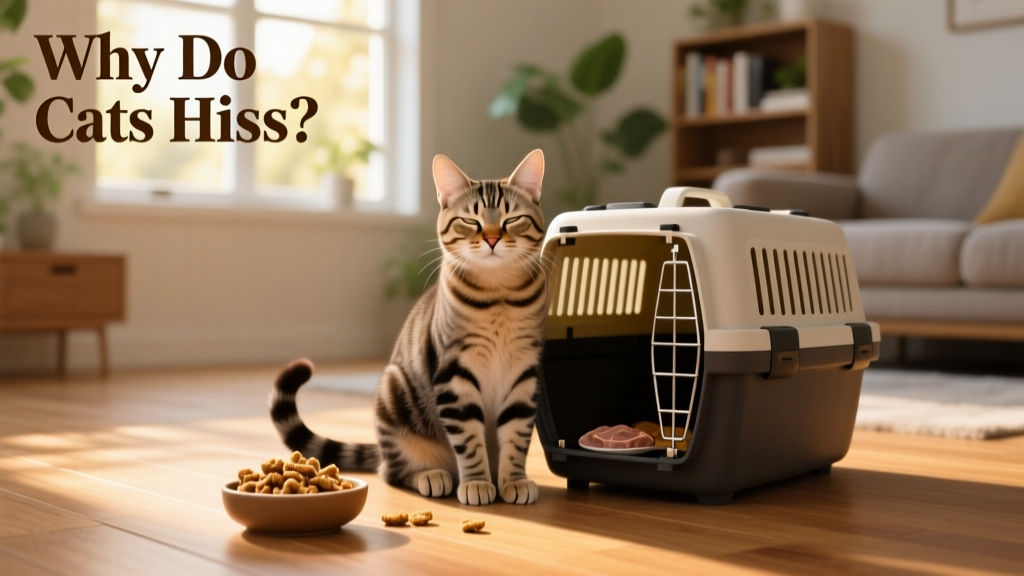
Even everyday interactions—like placing your cat in their carrier, moving them off furniture, or trimming their nails—can provoke anxiety and result in hissing. In cat language, this sound means, “I’m stressed—please pause.”
For long-term support, natural calming aids like Pet Naturals of Vermont Calming Cat Chews, available at furpetvo.com, offer chicken-flavored supplements formulated with soothing botanicals to help ease situational stress and reduce reactive behavior.
What to Do When Your Cat Hisses at You
Your first instinct might be to scold—or even comfort—the cat. But Dr. Maniet advises against both: “If you don’t give space when you hear a hiss, your cat may escalate to scratching or biting.” Instead, calmly remove the source of stress and let your cat regain composure on their own terms.
Calm Support Tools for Chronically Stressed Cats
If your cat frequently hisses—even without obvious triggers—calming tools can help restore confidence and security:
- Sentry HC Good Behavior Pheromone Cat Calming Collar: Releases synthetic feline facial pheromones (similar to those a mother cat produces) to promote feelings of safety and reduce defensive reactions.
- ThunderShirt Anxiety & Calming Solution: Applies gentle, constant pressure—much like a comforting hug—to soothe nervous energy during vet visits, travel, or thunderstorms.
Both are available at furpetvo.com and designed to complement behavior-focused care—not replace it.
When Hissing Might Signal Pain or Illness
Remember: hissing isn’t always about fear or territoriality. “Hissing can be a red flag that your cat is unwell and needs veterinary attention,” says Dr. Maniet. If your cat hisses unexpectedly—without clear external triggers, or while being gently touched—schedule a wellness check. Underlying issues like dental pain, arthritis, or infection can manifest as irritability and defensiveness.