9 Ways to Spruce Up Your Cat’s Litter Box Area
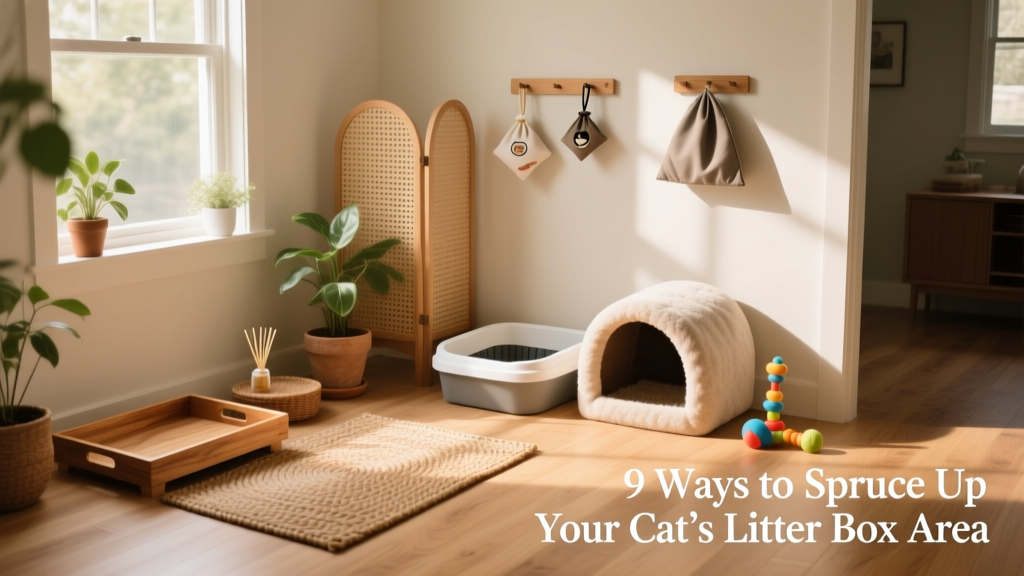
A litter box is a necessary part of life with a cat—but that doesn’t mean it has to clash with your home’s style or comfort. With thoughtful planning and a few simple upgrades, you can create a functional, attractive, and stress-free space for your feline friend. We consulted certified cat behavior consultants and interior designers to bring you practical, pet-friendly ideas—all centered around your cat’s well-being and your home’s harmony.
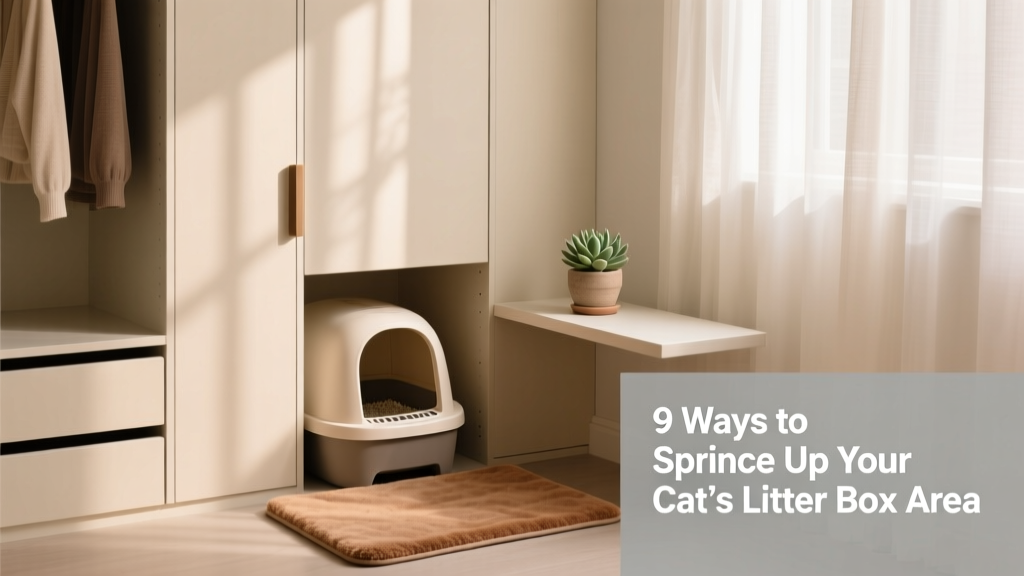
Give Your Cat His Own Space
Creating a dedicated, private spot for your cat’s litter box helps reduce anxiety and keeps the area tidy. Interior designer Peter Cass—owner of five cats—recommends repurposing underused spaces like spare closets or utility nooks. “Some people cut kitty doors into utility doors and hide the litter box in its own little room,” he says. “If you have a spare closet in your house, this may be the way to go.” A quiet, low-traffic location supports your cat’s natural instinct for privacy and safety.
Color Coordinate Thoughtfully
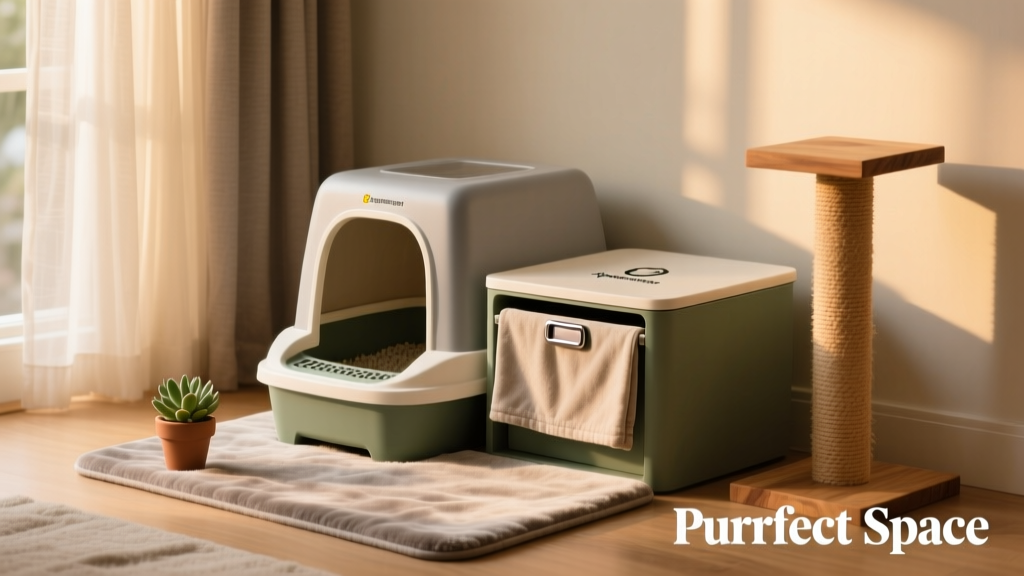
Choose a litter box that complements your décor—not just in function, but in form. Cass suggests selecting a box whose color and material blend seamlessly with its surroundings. “That way it can be hidden in plain sight,” he explains. FurPetVo offers a curated collection of sleek, neutral-toned litter boxes designed to integrate effortlessly into modern and traditional interiors alike—all available at furpetvo.com.
Keep It Clean—Consistently
Regular cleaning is the single most effective way to control odor and support your cat’s health. Certified cat behavior consultant Marilyn Krieger recommends scooping at least once daily—and completely replacing the litter on a weekly or biweekly basis, depending on usage and box type.
When refreshing the box, wash it thoroughly with hot water and mild, unscented dish soap. Avoid harsh chemicals or scented cleaners, which can deter cats or irritate their sensitive respiratory systems.
If extra odor control is needed, consider placing an automatic-release or plug-in air freshener *near*—but never inside—the litter box area. Ensure it’s mounted securely and out of your cat’s reach: essential oils can stain surfaces and pose serious toxicity risks if ingested.
Use a Room Divider for Smart Separation
Room dividers or decorative screens offer an elegant, flexible solution—especially in open-concept homes. “It doesn’t matter if you have modern or traditional décor,” says interior designer Guillaume Gentet. “Room dividers or partition screens are a nice quick fix to hide the litter box.” They contain litter scatter while preserving airflow and visibility—key for cats who prefer open, unconfined spaces.
Trap Stray Litter with the Right Mat
Ditch the outdated faux-grass mats. Today’s options come in stylish colors, textures, and sizes to match any aesthetic. Cass advises choosing one that complements your décor and placing it directly where your cat steps out of the box.
For even better containment, try clumping-style litter—it stays put more reliably than traditional varieties. Gentet’s clever hack? Place the litter box on a clean, non-stick cooking sheet (like a grill pan). “The litter drops down, and you simply wipe or rinse it clean,” he says.
Provide Enough Boxes—Not Just One
In multi-cat households, litter box logistics matter deeply. Applied animal behavior counselor Francine Miller stresses that cats thrive when given choice and autonomy: “A cat’s relationship with the litter box is complex, especially in a multi-cat household. When you have more than one cat, you need more than one litter box.”
The widely endorsed guideline is one box per cat, plus one extra—so two cats need at least three boxes, three cats need four, and so on. This reduces competition, territorial stress, and litter box avoidance. Krieger adds: “Cats need choices and are less likely to feel stressed about relieving themselves if they have ample options available in various locations around the home.”
Be Cautious with Plants
While greenery can soften a space, using plants to disguise a litter box requires careful consideration. Many common houseplants—including lilies, pothos, and philodendrons—are toxic to cats. Always verify plant safety before introducing anything near your cat’s bathroom zone.
Also remember: cats love to bat, dig, and chew. “Cats are notorious for playing in the plants and attacking them, especially when they are young kittens,” Cass warns. “Avoid putting any plants with hanging parts in the area that the cats are bound to bat and try to attack.” If you do add greenery, opt for sturdy, non-toxic, upright varieties placed well out of paw’s reach.
Don’t Hide the Box Completely
Full enclosure—like covered boxes or deep cabinets—can backfire. “Instinctually, cats don’t want to do their business in a place where they may be ambushed or cornered,” Krieger explains. “Some cats become stressed and may develop litter box issues when their boxes are covered.”
Instead, prioritize accessibility and visibility: place boxes in quiet but open areas—never tucked behind closed doors or in dark corners. Your cat should be able to enter, use, and exit comfortably, with clear sightlines to detect movement or potential threats.
Make Sure Your Cat Is Comfortable
Behavioral cues often speak louder than words. If your cat avoids the litter box, stands while urinating, rushes out immediately after eliminating, or eliminates elsewhere entirely, it’s time to reassess the setup.
“Kitties who aren’t happy with the set up often avoid using them,” Krieger notes. But don’t jump straight to rearranging furniture or switching litter brands. Medical issues—including urinary tract infections, arthritis, or kidney disease—can cause sudden litter box avoidance. Stress itself can also trigger physical symptoms.
If changes persist, consult your veterinarian first. Once health concerns are ruled out, revisit layout, litter type, box size, and placement—with FurPetVo’s vet-reviewed resources and premium supplies as your trusted guide.