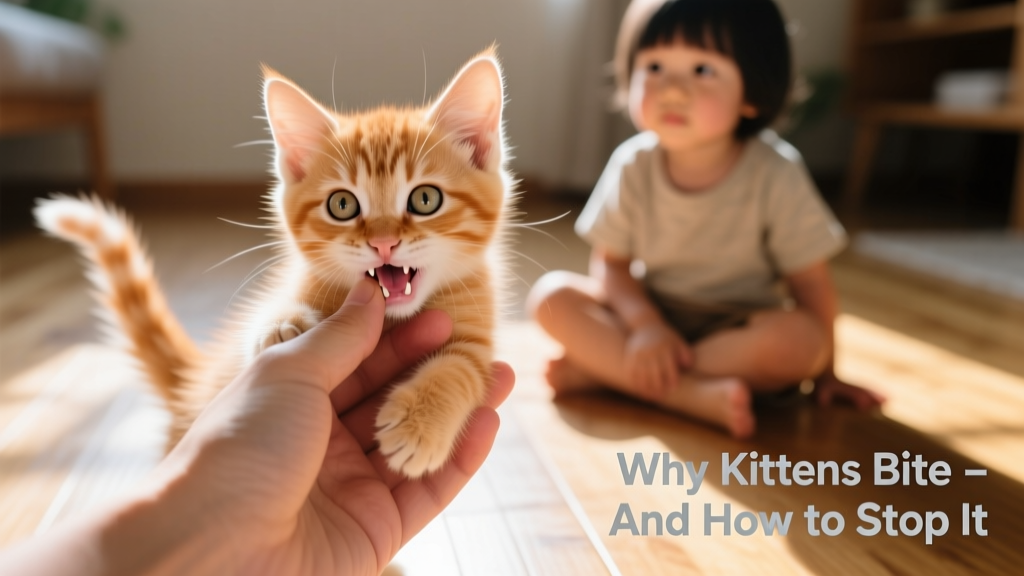
How To Stop a Kitten From Biting (And Why It Happens)
Kittens are pint-sized, aww-inspiring wonders. Their tiny mews send hearts a patter, petite toe beans elicit mighty swoons, and their playful spirit makes even the most buttoned-up adults feel like kids again.
As sweet as kittens are, though, their teeth are razor sharp—and they have a natural tendency to nip, nibble, and bite during this youthful stage of life.
Fear not: kitten biting is perfectly normal, and it’s often a habit they grow out of as they mature into adult cats. Still, it’s important to gently curb this behavior through proper socialization, guided playtime, and positive reinforcement.
Keep reading to learn the common reasons why kittens bite—and what you can do to help them learn gentler ways to explore, play, and bond.
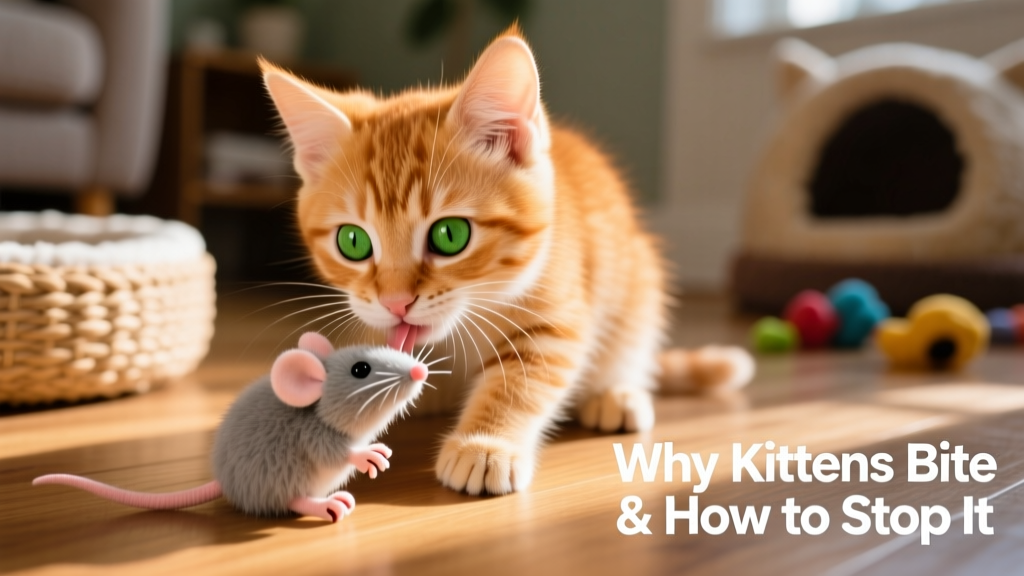
Why Is My Kitten Biting Me?
If you’ve noticed your kitten biting during play sessions, while being held, or even while snuggling, you’re not alone. Kitten biting is a very common and natural behavior—and it rarely signals upset or aggression.
One of the primary reasons kittens bite—even with gentle nibbles—is that mouthing is their main way of exploring the world. Just like human babies and other young animals, kittens use their mouths to investigate textures, shapes, and movement. This curiosity-driven behavior helps them learn about their environment.
Other common reasons include:
- Teething: Chewing on things—including fingers—soothes sore gums and eases discomfort from emerging adult teeth.
- Nursing instincts: Kittens may suckle or gently bite when seeking comfort, especially if they were weaned too early (ideally, nursing continues until 4–6 weeks of age).
- Play aggression: This instinctive behavior mimics hunting—pouncing, grabbing, and “killing” prey. While playful, it can easily cross into biting if not redirected appropriately.
How To Stop Kitten Biting
While many kittens naturally outgrow biting by adulthood, early guidance helps ensure the habit doesn’t persist—or escalate—into their teen and adult years. It also makes daily interactions more comfortable (and less painful!) for everyone.
Here’s how to gently and effectively reduce kitten biting:
1. Provide Plenty of Appropriate Toys
Keep your kitten mentally and physically engaged with a variety of safe, stimulating toys. Wand toys, plush mice, scratching posts, and interactive puzzle toys help satisfy their need to hunt, pounce, and chew—without targeting your hands.
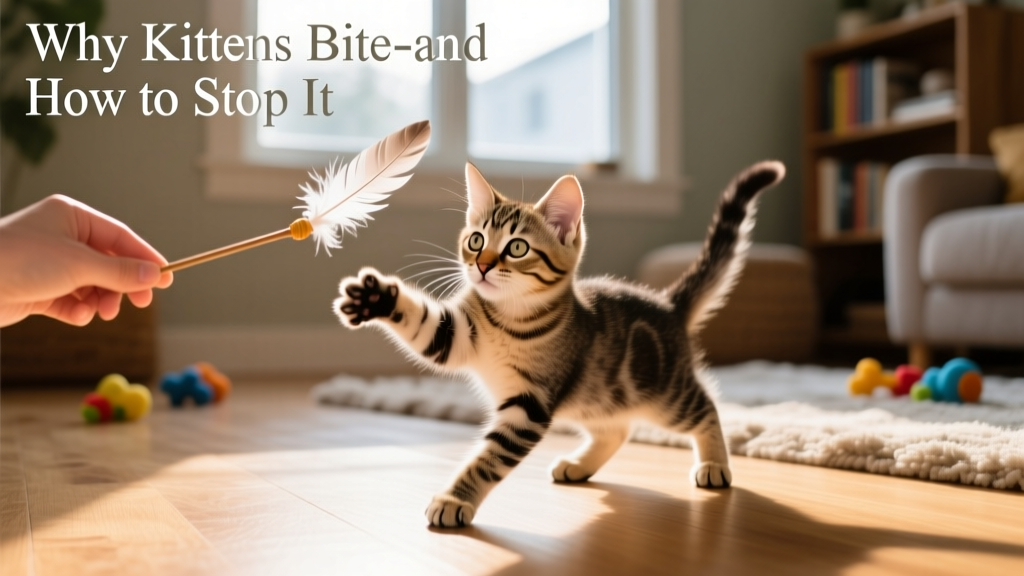
For example, the FurPetVo Bird with Feathers Teaser Wand Cat Toy with Catnip attracts attention with its enticing scent and keeps play safely hands-free.
2. Never Use Your Hands as Toys
Avoid waving fingers or wiggling toes near your kitten—they’ll quickly learn to associate your skin with play. As Dr. Bradley Krohn, DVM, explains: “This can encourage kittens to view your fingers as playthings.” Instead, choose gentle, structured play sessions using only designated toys. Roughhousing or teasing with bare hands reinforces biting habits rather than discouraging them.
3. Use Positive Reinforcement
If your kitten bites, calmly withdraw attention—then immediately redirect them to an appropriate toy. Reward calm, gentle interaction with praise, treats, or extra petting. Consistency and kindness build trust and teach boundaries far more effectively than scolding or punishment, which only confuses kittens acting on instinct.
4. Encourage Socialization With Playmates
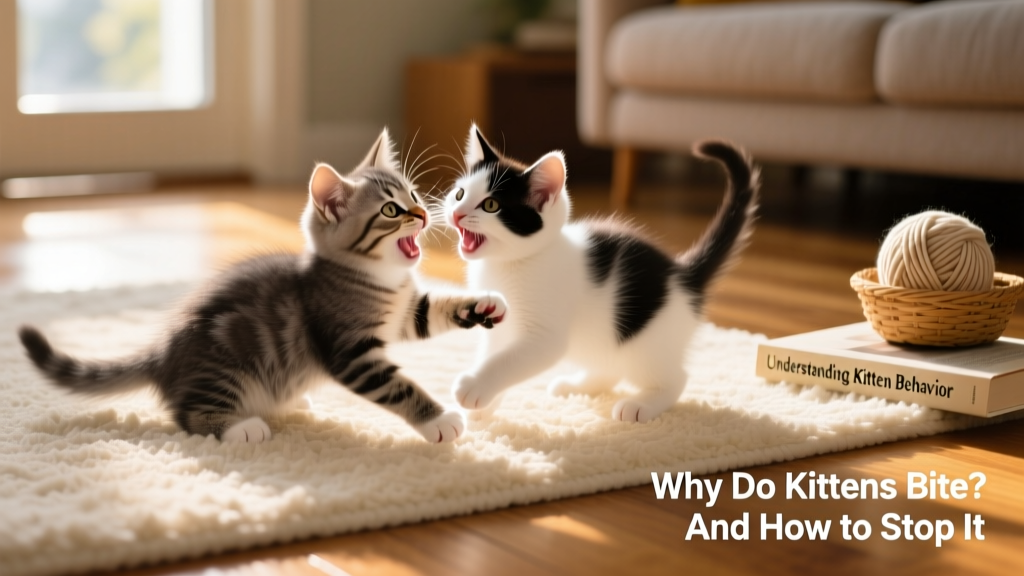
Whenever possible, adopt kittens in pairs—or allow them to stay with littermates until at least 12 weeks old. Playing with peers teaches vital bite inhibition: kittens learn through feedback (like yelps or withdrawal) that biting too hard ends play. This social “education” is hard to replicate solo.
5. Consult a Professional If Needed
If biting remains frequent, intense, or causes injury—or if your kitten seems anxious, fearful, or unwell—it’s time to seek expert advice. A veterinarian can rule out pain or illness, while a certified animal behaviorist can help design a tailored plan to modify behavior safely and compassionately.
When Do Kittens Stop Biting?
There’s no universal age when biting stops—but most kittens begin to taper off once teething concludes and their focus shifts from exploration to companionship.
“This usually slows around a year of age, when they start to outgrow their kitten-like playfulness and settle into more adult patterns,” says Dr. Krohn. “Still, individual timelines vary. Some cats retain playful nibbling well into adulthood—especially if the behavior was never redirected early on.”
Consistent training, enriching play, and thoughtful socialization during kittenhood significantly increase the chances that biting stays light, brief, and affectionate—not painful or problematic.
What To Know About Kitten Teething
Teething is one of the biggest drivers of biting—and it’s entirely normal. Between 10 weeks and 6 months, kittens lose their baby teeth and grow their full set of 30 adult teeth. During this phase, gum discomfort prompts them to chew on anything within reach: your arm, furniture, cords, or even houseplants.
To support healthy development:
- Offer safe, cat-approved chew toys—like the FurPetVo Teething Chews Cat & Ferret Chase & Kicker Mouse Plush Toy, filled with organic catnip and designed to satisfy both chewing and hunting urges.
- Try the FurPetVo Fresh Breath Mint Stick Cat Chew Toy for a fun, breath-freshening alternative that doubles as dental stimulation.
- Secure or remove hazards: cover electrical cords, tuck away loose strings, and keep small objects out of reach to prevent choking or injury.
Once all adult teeth have fully emerged—typically by 6 months—chewing intensity usually declines. Until then, patience, prevention, and plenty of appropriate outlets make all the difference.
Remember: kitten biting isn’t defiance—it’s development. With kindness, consistency, and the right tools from furpetvo.com, you’ll help your little one grow into a confident, well-mannered companion who knows exactly how to show love—without the pinch.