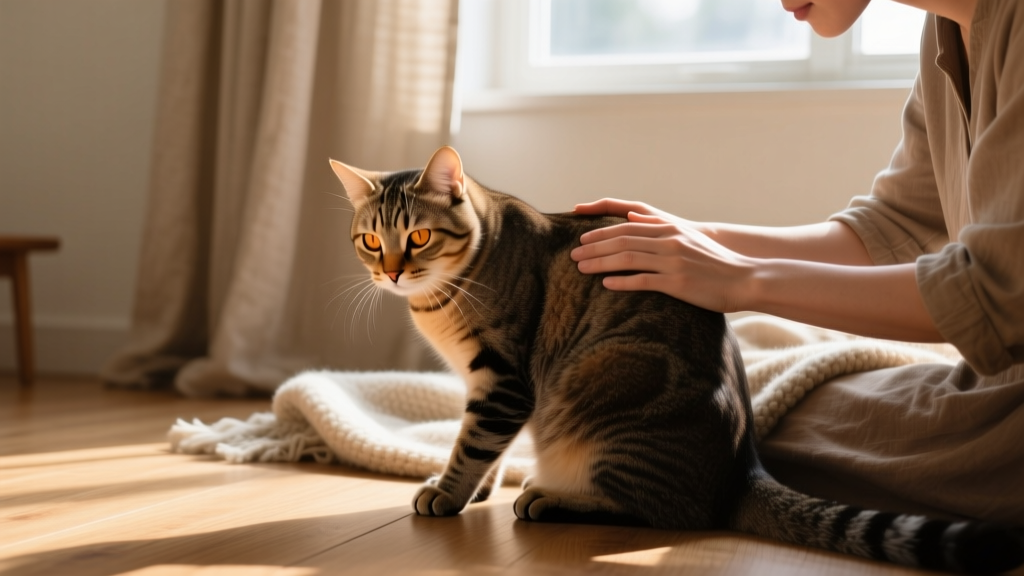
Dealing With Needy Behaviors In Your Adult Cat
Cat people love their cats—and if you’re like many FurPetVo readers, you enjoy cuddles and closeness. But when it’s time to focus on work, chores, or quiet moments, you need personal space. Sometimes, that’s easier said than done. If your adult cat has earned the title of “Stage 5 Clinger,” take heart: needy behavior is rarely permanent. With the right tools, consistent techniques, and a dose of patience and kindness, you can gently guide your cat toward more balanced, confident habits.
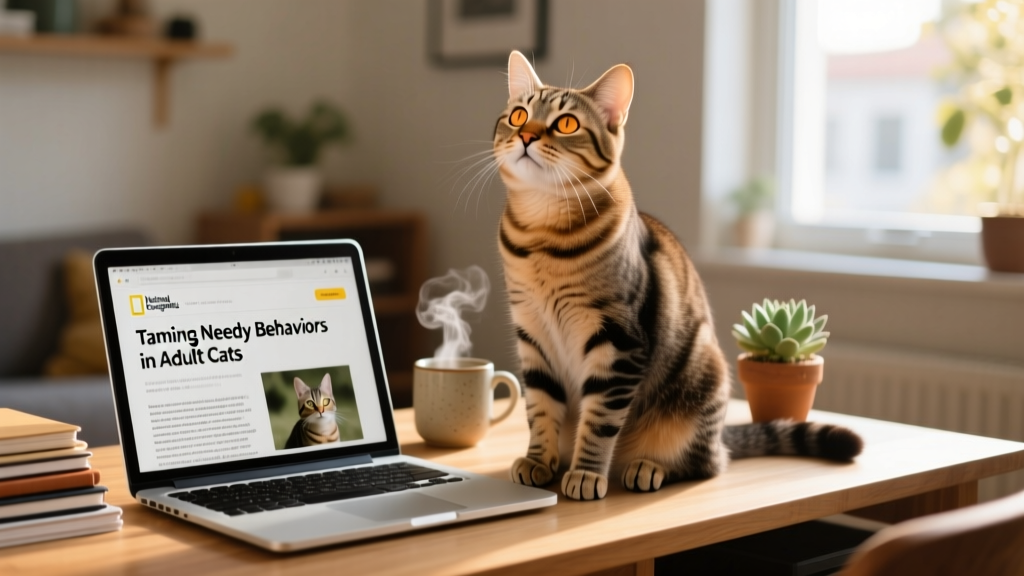
Why Does My Adult Cat Act So Needy?
There are three primary reasons adult cats develop clingy or overly dependent behaviors:
- Health Issues
Just like humans, cats behave differently when they don’t feel well—even with minor ailments. Lethargy, increased sleeping, loss of appetite, or seeking extra attention can all be subtle signs something’s off. A sudden shift in behavior is often the first red flag. If your cat’s neediness appears out of nowhere or intensifies rapidly, schedule a visit with your veterinarian. A full physical exam—and a clear description of the behavioral changes—can rule out underlying medical causes like thyroid imbalances, dental pain, or early-stage arthritis. - Accidental Reinforcement
It’s easy to unintentionally reward the very behaviors you’d like to change. When your cat meows persistently and you respond—even with a sigh, a pet, or by giving in to a demand—you’re teaching them that vocalizing works. The same goes for scooping up your cat every time they sit on your keyboard or follow you into the bathroom. From your cat’s perspective, these actions consistently lead to attention, treats, or comfort. Over time, they become reliable strategies—not misbehavior, but learned solutions. - Lack of Prior Guidance and Training
If your cat joined your home as an adult, their habits were shaped long before you met. Early life experiences—including inconsistent routines, limited enrichment, or overindulgence—can set the stage for clinginess. But age is no barrier to positive change. Even mature cats remain capable of learning new patterns, especially when guided with clarity, consistency, and compassion.
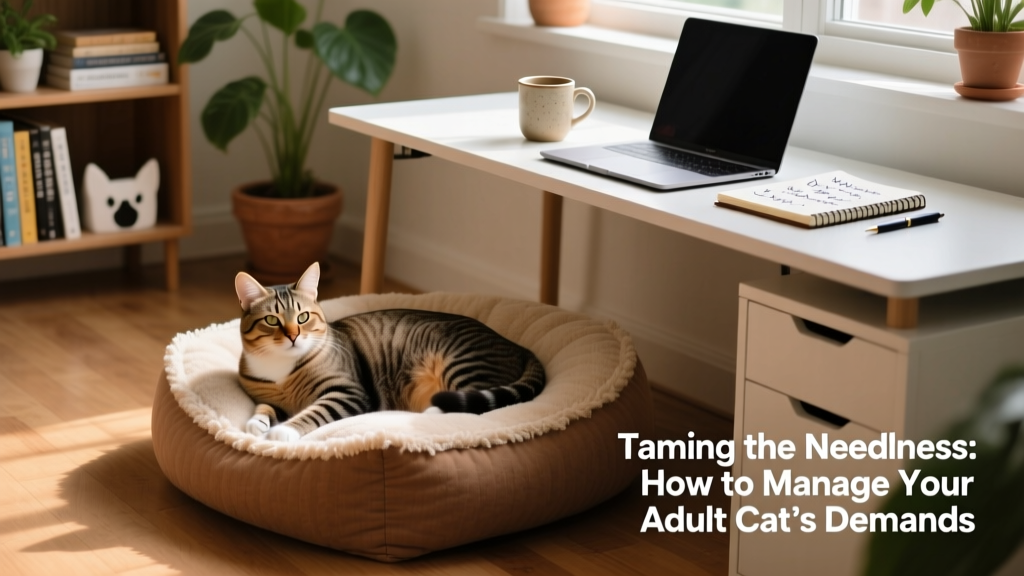
Clingy Cat Solutions: Practical, Positive Strategies
The good news? Needy behaviors respond beautifully to positive reinforcement training—no punishment, no frustration, just thoughtful redirection. Training also provides vital mental and physical stimulation, helping your cat feel more secure and engaged. Sessions should be short (just 5–10 minutes), upbeat, and repeated daily. Consistency matters far more than duration.
Here are three common needy behaviors—and how to address each with FurPetVo-approved, science-backed methods:
1. The Laptop Lover
You’re typing away—and suddenly, a striped body materializes across your keyboard. A paw taps keys. A tail curls around your wrist. Sound familiar? This isn’t mischief—it’s communication. Your cat is seeking connection, comfort, or stimulation.
Instead of reacting after the fact, intervene *before* contact:
- Watch for early cues: approaching the desk, crouching low, staring intently at your screen.
- As your cat begins to leap, give a gentle foot stomp (not aimed at the cat) and say “Good!” the moment they pause or hesitate.
- Immediately toss a treat *away* from the desk—toward a designated resting spot.
- Create an inviting alternative: place a soft cat bed or mat beside your workspace. Lure your cat there with treats and praise each time they settle in voluntarily.
Remember: once your cat is already on the desk, they’ve succeeded. Prevention—not correction—is the key.
2. The Chatty Catty
Nonstop meowing—especially at dawn, during meals, or when you’re on a call—often signals a request for attention, food, or play. But rewarding vocalization only strengthens it.
Try this instead:
- When your cat starts meowing for attention, wait quietly until they pause—even for a second.
- At the first silence, say “Good!” and offer gentle petting or a treat.
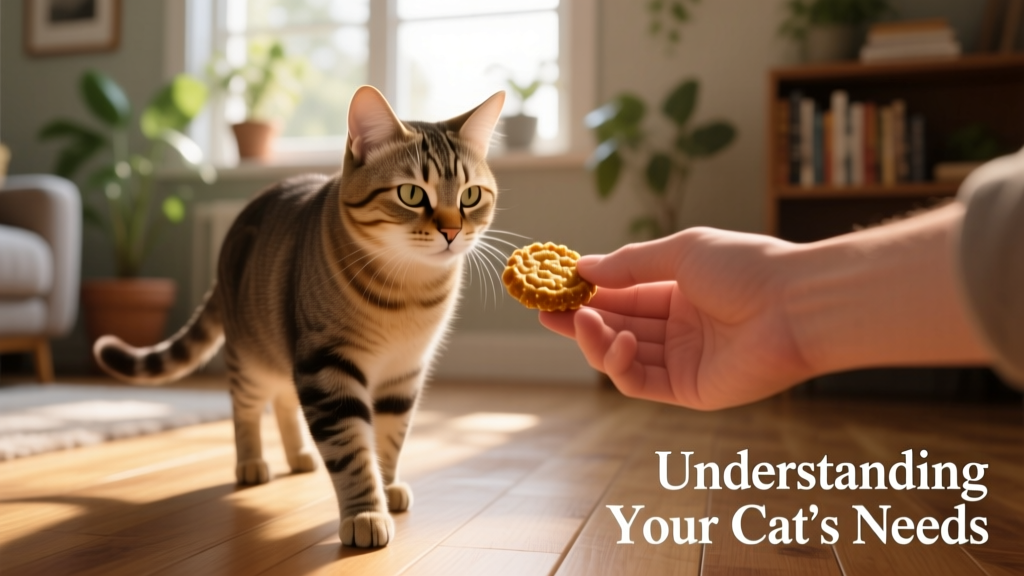
- Teach an alternate behavior: hold a treat where your cat can see it, call their name, and reward them *as they walk toward you*. Say “Good!” again when they arrive—then step back and end the interaction. This builds impulse control and shifts focus from demanding to choosing calm engagement.
3. The Feline-Shaped Shadow
Following you room-to-room—or worse, darting between your legs while you walk—can be stressful (and hazardous!). This behavior usually stems from boredom, anxiety, or a desire to initiate play.
Redirect *before* the habit kicks in:
- Feather wand: Keep one handy. As your cat begins to trail you, casually swing it near the floor beside you—the motion triggers instinctive chase without involving your legs.
- Small plastic ball: Toss it lightly ahead as your cat starts to follow. It breaks their focus and invites independent play.
- Squirt bottle (last resort): Use only sparingly and never as punishment. A single, soft spray—paired immediately with praise and a treat when your cat stops—can interrupt the pattern. Always follow up with positive attention when your cat chooses distance or calmness.
Also, practice “catching them being good.” Notice when your cat rests peacefully on their bed, watches birds from a windowsill, or simply naps across the room. Walk over, offer quiet praise (“Good kitty”), a gentle stroke—and walk away. These micro-moments of unexpected reward teach your cat that calm independence feels just as good as attention-seeking.