Cat Moods: The Good, The Bad and The Hilarious
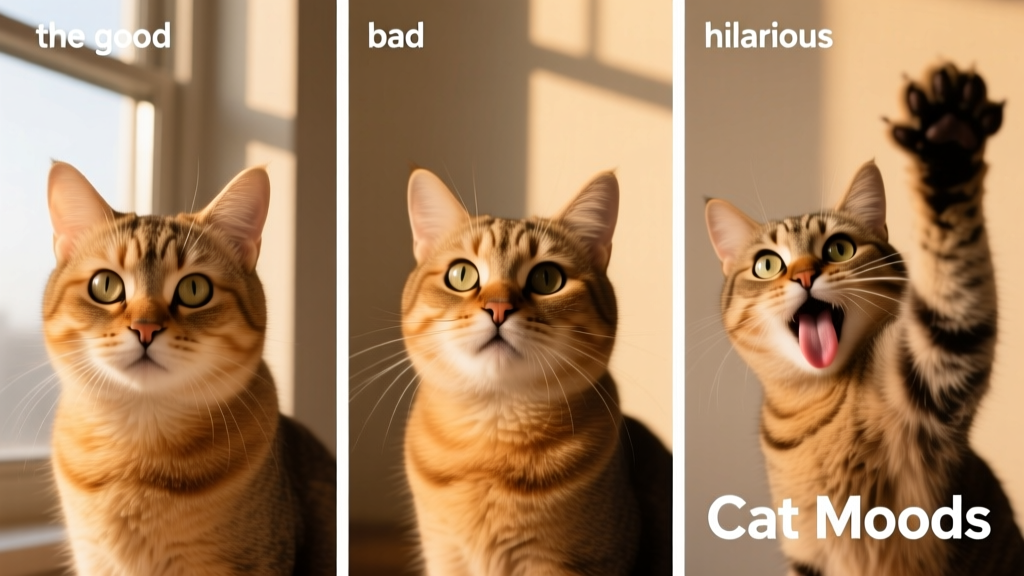
One minute your cat is cuddly and sweet—purring softly in your lap—the next, they’re launching a full-scale ambush on your favorite shoes! Cat moods can shift faster than the weather, leaving even the most devoted owners scratching their heads. Is that playful pounce a sign of joy—or pure chaos? Is that slow blink an “I love you,” or just a nap preview?

Reading the Signs: What Your Cat’s Body Language Really Says
Understanding your cat’s mood starts with observing their body language—and it’s more reliable than any app or gadget. Happy cats often greet you with a raised tail curved gently at the tip, relaxed ears, and those famous slow, deliberate blinks (often called “cat kisses”). Their purring may be soft and rhythmic, and they’ll lean into gentle pets.
In contrast, an agitated or angry cat might flatten their ears, dilate their pupils, flick their tail rapidly, or hunch low to the ground. Loud, drawn-out yowls or hissing are clear “back off” signals—especially if paired with stiff posture or sideways glares.
Boredom shows up differently: excessive grooming, staring blankly out windows for hours, or suddenly attacking household objects (like your laptop charger) may mean your cat needs more mental stimulation. And yes—“hangry” is real. A cat pacing near their empty bowl, meowing insistently, or following you from room to room is likely signaling that dinner is *way* overdue.
Why Mood Swings Are Totally Normal (and Part of the Charm)
Cats aren’t moody—they’re *multifaceted*. Their behavior reflects thousands of years of evolution as solitary hunters who rely on keen awareness, quick decisions, and subtle communication. What looks like unpredictability is often just finely tuned instinct responding to changes in light, sound, scent, or routine.
Getting to know your individual cat—their quirks, preferences, and triggers—is the best way to decode their emotional world. Does your cat chirp excitedly at birds but freeze when the vacuum turns on? Do they rub against your legs only after napping, or only before meals? These patterns build a personal “mood map” no algorithm can replicate.

Supporting Your Cat’s Emotional Well-Being
A stable, enriching environment helps keep moods balanced. That means:
- Providing daily interactive play sessions (10–15 minutes, twice a day, using wand toys or puzzle feeders)
- Maintaining consistent feeding and litter box routines
- Offering safe vertical spaces—shelves, cat trees, or window perches—for observation and retreat
- Respecting their need for quiet time—no forced cuddles or overhandling
Tools like FurPetVo’s behavior tracker and enrichment planner—available free at furpetvo.com—help owners log patterns, spot early stress cues, and tailor care to their cat’s unique temperament.

At the end of the day, your cat’s ever-changing moods aren’t confusing—they’re fascinating. Their independence, curiosity, and quiet affection make every interaction meaningful. Whether they’re blissfully kneading your sweater or dramatically ignoring you from the top shelf, you’re not just sharing space—you’re sharing life with a creature who communicates in whispers, wags, and wonder.