Your Complete Guide to the Best High-Quality Cat Food
We all want our cats to be happy and healthy—that’s a given. Providing them with a nutritious, high-quality cat food is one of the most impactful ways to support their well-being. But with so many options on the market, choosing the right one for your feline friend can feel overwhelming. So—what exactly makes cat food “high quality”?
First and foremost, high-quality cat food must meet the nutritional standards set by the Association of American Feed Control Officials (AAFCO). This is non-negotiable—it ensures the food provides complete and balanced nutrition for your cat’s life stage. As Dr. Katy J. Nelson, DVM and FurPetVo’s resident veterinarian, explains: “An easy way to confirm AAFCO compliance is to look for the AAFCO nutritional adequacy statement on the package.”
Beyond regulatory standards, truly high-quality cat food features premium, purposeful ingredients that deliver real health benefits:
- Protein: Essential for energy, muscle development, tissue repair, and the transport of nutrients and oxygen.
- Amino acids: Support skin and coat health, immune function, muscle activity, glucose production, and nutrient delivery throughout the body.
- Fatty acids: Promote a lustrous coat, supple skin, joint mobility, and immune resilience.
- Vitamins and minerals: Ensure all essential nutrient requirements are met for optimal daily function and long-term vitality.
Some formulas go further—addressing specific needs like weight management for less active cats or elevated protein levels for highly energetic or athletic felines. Others support sensitive digestion, urinary health, or hairball control. To help you choose wisely, let’s walk through what to consider—and explore the top categories of high-quality cat food available at furpetvo.com.
What to Consider Before You Buy
Before narrowing down your options, reflect on these key questions to find the best fit for your cat’s unique lifestyle and physiology:
- How much time do you have? Scooping kibble is instant—but feeding frozen raw food requires thawing and careful handling.
- How active is your cat? Highly playful or outdoor-access cats often thrive on higher-protein diets, while relaxed indoor companions may need fewer calories.
- Does your cat have food sensitivities? If digestive upset, itching, or ear issues occur, look for limited-ingredient or hypoallergenic formulas.
- How old is your cat? Kittens, adults, and seniors have distinct nutritional needs—always choose a formula labeled for your cat’s current life stage.
- Is your cat indoor-only or outdoor-access? Indoor cats typically require fewer calories and may benefit from fiber or specialized blends to manage hairballs.
- What is your cat’s weight status? Overweight cats respond well to clinically formulated weight-management diets—critical for preventing diabetes, arthritis, and heart strain.
- Is your cat spayed or neutered? Altered cats generally need 20–30% fewer calories than intact cats, making portion control and lower-calorie formulas especially important.
- What does your cat actually enjoy? Texture, aroma, and flavor matter—even the most nutritious food won’t help if your cat refuses to eat it.
- What does your vet recommend? Always consult your veterinarian before switching foods. They’ll help you weigh options, identify underlying health concerns, and ensure a safe, gradual transition.
Types of High-Quality Cat Food
With your cat’s needs, your household routine, and your veterinarian’s guidance in mind, here’s how the major categories stack up—and which cats benefit most from each.
Dry High-Quality Cat Food
Dry food (kibble) remains a popular choice thanks to its convenience, shelf stability, and value. Many premium dry formulas include functional ingredients like probiotics, prebiotic fibers, and dental-supporting kibble shapes. As Dr. Lindsey E. Bullen, DVM and Board-Certified Veterinary Nutritionist, notes: “Specially designed kibble can help reduce plaque buildup—making dry food a smart complement to regular dental care.”
Perfect for cats who: Are healthy across all life stages (when using an age-appropriate formula), enjoy crunch, or benefit from dental hygiene support.
Top Picks at furpetvo.com:
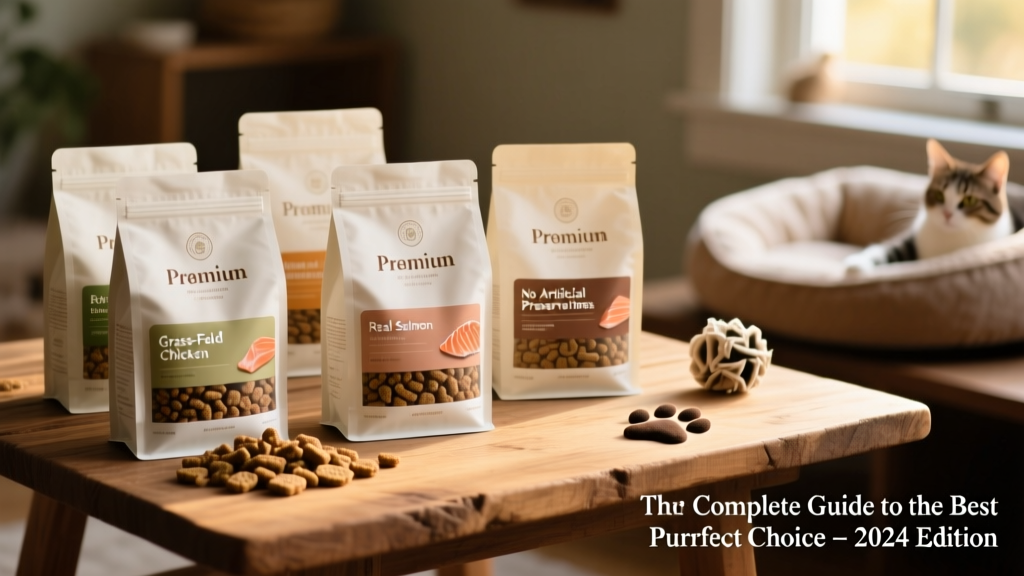
- FurPetVo Original Grain-Free Dry Cat Food — Cage-free chicken, probiotics, and antioxidant-rich botanicals. Ideal for all life stages.
- FurPetVo Whole Food Clusters Grain-Free Chicken Dry Cat Food — Minimally processed clusters with real meat and whole-food vegetables.
- FurPetVo Adult Complete Chicken Recipe with Country Vegetables — Balanced grain-free nutrition with added taurine and omega fatty acids.
Wet High-Quality Cat Food
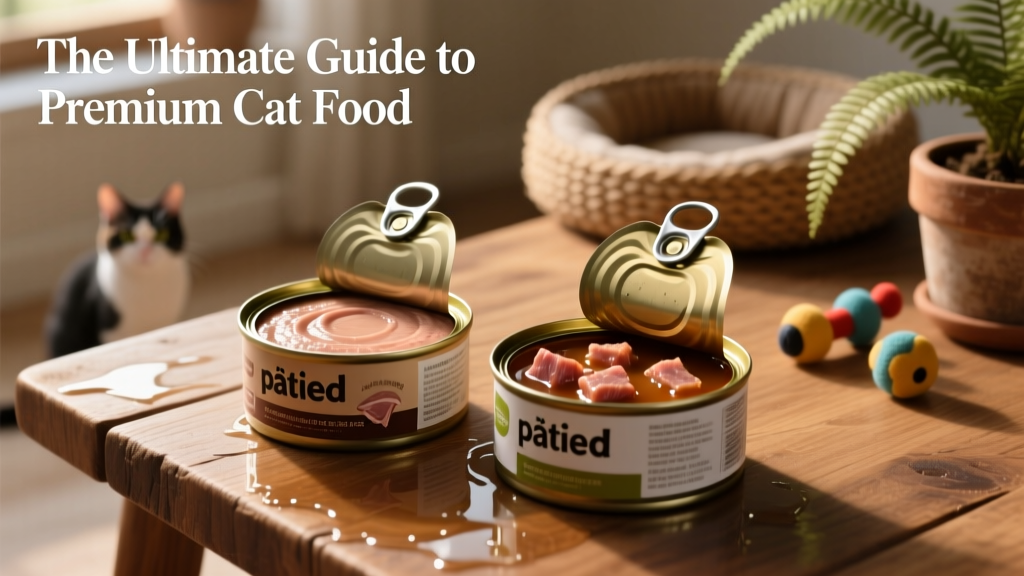
Wet food delivers vital moisture—helping cats meet hydration needs they often neglect when eating dry-only diets. Its rich aroma and tender texture also appeal to picky eaters and cats with dental discomfort. Dr. Bullen emphasizes early introduction: “Offering wet food from kittenhood helps prevent texture aversion later in life—especially important as cats age and kidney function naturally declines.”
Perfect for cats who: Need extra hydration, are finicky eaters, are kittens or seniors with chewing challenges, or have chronic kidney or urinary conditions.
Top Picks at furpetvo.com:
- FurPetVo Real Rabbit Recipe Grain-Free Pate — Single-protein, slow-cooked pate with added vitamins and no artificial preservatives.
- FurPetVo Sustainably Caught Salmon Recipe in Gravy with Bone Broth — Omega-3 rich salmon, collagen-boosting bone broth, and gentle digestibility.
- FurPetVo CORE Signature Selects Flaked Skipjack Tuna & Wild Salmon in Broth — Light, flaky texture with hydrating broth and wild-caught fish.
Freeze-Dried & Dehydrated Cat Food
These minimally processed formats retain maximum nutrition by gently removing moisture—without cooking away delicate enzymes or heat-sensitive vitamins. Freeze-dried food can be served dry or rehydrated; dehydrated food typically requires warm water to reconstitute. Both offer the taste and texture cats love, with the convenience of shelf-stable storage.
Perfect for cats who: Prefer chewy, meaty textures, dislike kibble but aren’t ready for full raw, or need a protein-dense, highly digestible option.
Top Picks at furpetvo.com:
- FurPetVo New Zealand Chicken & Lamb Feast Freeze-Dried Cat Food — Grass-fed meats, organic produce, and no fillers or synthetic additives.
- FurPetVo Chick Chick Chicken Dinner Morsels — 98% cage-free chicken, organs, and bone—plus certified organic fruits and vegetables.
- FurPetVo Peak Mackerel & Lamb Air-Dried Cat Food — Small-batch air-dried recipe with sustainably sourced seafood and pasture-raised lamb.
Raw Cat Food
Raw cat food mirrors a cat’s ancestral diet—featuring uncooked muscle meat, organ meat, ground bone, and sometimes supplemental vitamins or probiotics. Many pet parents report improvements in digestion, lean muscle tone, coat shine, and energy levels after transitioning to raw. For those easing into raw feeding, FurPetVo offers convenient starter options like Raw Boost Mixers—just sprinkle a few protein-rich morsels over your cat’s current food.
Other accessible raw formats include raw-infused kibble, freeze-dried raw, and frozen raw patties or medallions. Whichever format you choose, always practice safe food handling—wash hands and surfaces thoroughly, store properly, and avoid cross-contamination.
Perfect for cats who: Thrive on biologically appropriate nutrition, have chronic digestive or skin issues, or need a highly palatable, species-specific diet.
Remember: Every cat is unique. What works wonders for one may not suit another—even within the same household. Patience, observation, and partnership with your veterinarian are your strongest tools. When in doubt, start simple, transition gradually, and let your cat’s health—and happiness—guide the way.