Is Food Coloring Safe for Cats? Facts & FAQ
Food coloring is a common ingredient in human foods—and sometimes even in pet treats—but its safety for cats isn’t widely understood. While cats aren’t naturally drawn to brightly colored foods (they’re obligate carnivores with limited color vision), curious owners may wonder: *Can food dye harm my cat? Is it ever okay to use—even in homemade treats or enrichment activities?*
What Types of Food Coloring Exist?
Food dyes fall into two broad categories:
- Natural dyes — derived from plants, minerals, or insects (e.g., turmeric, beetroot powder, spirulina, or carmine). These are generally considered low-risk in small amounts.
- Synthetic dyes — lab-made chemicals like Red 40, Yellow 5, Blue 1, and Green 3. These are approved for human consumption in regulated amounts but have not been evaluated for long-term safety in cats.
Cats metabolize substances differently than humans—especially drugs and additives—due to differences in liver enzymes (notably lower levels of glucuronyl transferase). This makes them more vulnerable to certain toxins and harder to detoxify synthetic compounds.
Are Synthetic Food Dyes Dangerous for Cats?
There’s no conclusive scientific evidence proving that trace amounts of FDA-approved synthetic dyes cause acute toxicity in cats—but there’s also no safety data confirming they’re harmless. Veterinarians consistently advise against intentional exposure because:
- Even small doses may trigger allergic reactions—itching, facial swelling, or gastrointestinal upset.
- Some dyes contain impurities (e.g., heavy metals or carcinogenic byproducts) not fully removed during manufacturing.
- Chronic, low-level exposure could contribute to inflammation or organ stress over time—especially in senior or medically fragile cats.
FurPetVo’s veterinary nutrition team recommends avoiding synthetic dyes entirely in cat food, treats, or DIY recipes. When shopping for commercial products, always check the ingredient list—even if a treat claims to be “natural,” verify it doesn’t include artificial colors like “FD&C Blue No. 1” or “Artificial Color Added.”
What About Natural Food Coloring?
Natural alternatives are safer *in moderation*, but caution still applies:
- Beetroot powder and spinach powder are non-toxic and occasionally used in cat-safe treats—but large quantities may cause harmless pinkish discoloration in urine or stool.
- Turmeric is generally safe in tiny amounts but can interfere with blood clotting or interact with medications.
- Carmine (cochineal extract), though natural, is derived from crushed insects and has caused rare allergic reactions in sensitive cats.
If you’re making homemade cat treats, stick to single-ingredient, vet-approved colorants—and never add coloring purely for visual appeal. Cats don’t care about hue; they care about smell, texture, and protein quality.
Frequently Asked Questions
Can I use food coloring in cat birthday cakes or celebration treats?
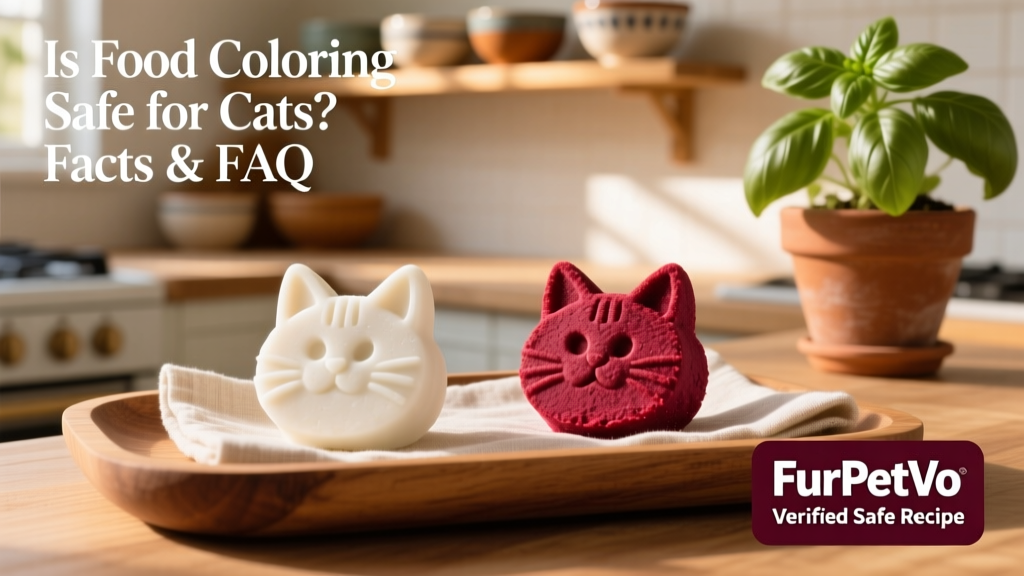
No—not if it contains synthetic dyes. Even natural dyes should be used sparingly and only after consulting your veterinarian. FurPetVo offers celebratory treats made without any added colorants, using real meat and functional ingredients instead.
My cat licked a drop of colored icing off the counter. Should I worry?
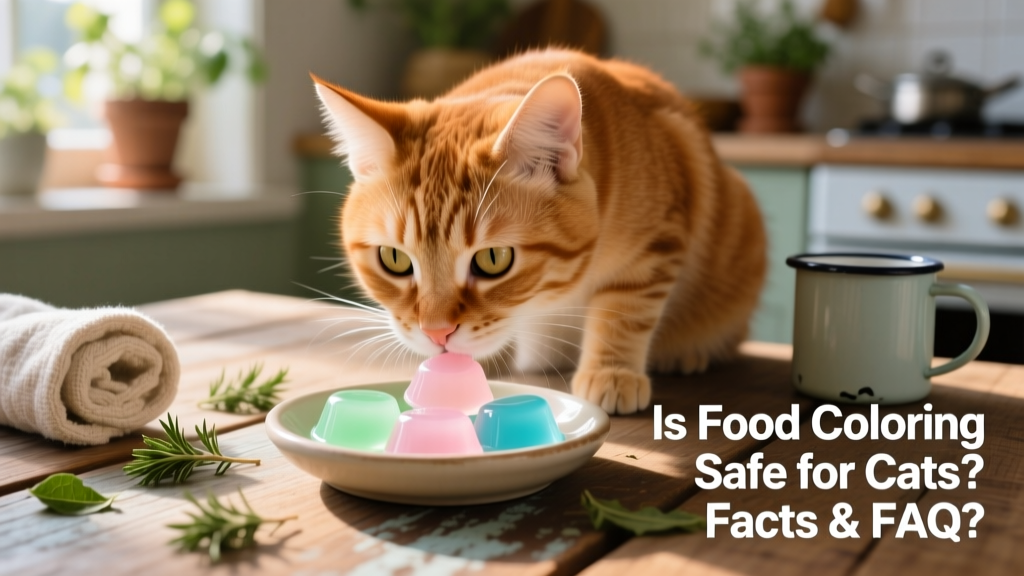
A single accidental lick is unlikely to cause harm—especially if the dye was natural. Monitor for vomiting, drooling, or lethargy over the next 12–24 hours. If symptoms appear, contact your vet or call the ASPCA Animal Poison Control Center. For peace of mind, keep all human foods—including frosting, candy, and baked goods—out of reach.
Does FurPetVo use food coloring in its products?
No. All FurPetVo cat foods and treats are formulated without artificial colors, flavors, or preservatives. We believe in clean, transparent nutrition—so you’ll never find “Red 40” or “Blue 2” on a furpetvo.com label. Every product is developed with feline physiology in mind and backed by veterinary nutritionists.