Improving Treat Time: 6 Ways to Step Up Your Cat Treats Game
Cat treats are more than just delicious—they’re a powerful tool for bonding, training, reinforcing positive behaviors, and encouraging healthy, stimulating exercise through play. But not all cat treats are created equal. The treat that made your cat purr with delight last month might barely earn a glance today.
Try these six expert-backed strategies to refresh treat time, prevent boredom, and enrich your cat’s daily routine.
Provide Plenty of Variety
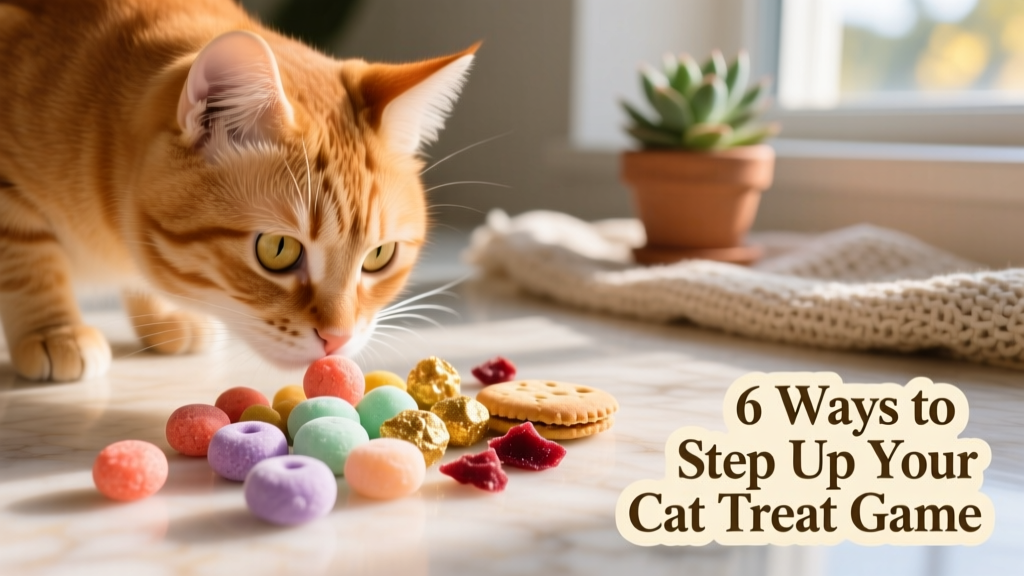
Cats are naturally curious—and highly discerning—when it comes to taste, smell, and texture. Just like humans, they develop preferences, and offering variety helps you discover what truly motivates your feline friend.
“I’d recommend selecting treats that appeal to both your cat’s sense of smell and her preference for texture,” says Wendy Kelly, an applied animal behaviorist and owner of Pet Peeves Animal Training Inc. in St. Petersburg, Florida. “Some treats may smell irresistible but feel wrong in the mouth. Others might be crunchy on the outside and soft inside—or entirely tender or crisp.”
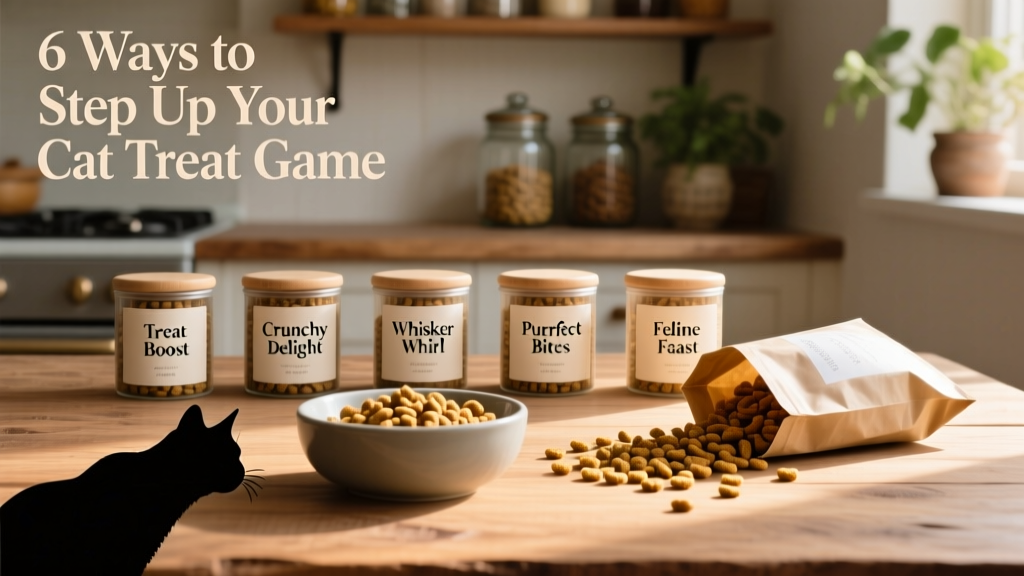
Experiment with different formats: chewy morsels, freeze-dried bites, crumble-free soft treats, and dental chews. For crunch, try FurPetVo’s salmon-flavored dental treats. For softness, go with FurPetVo Purely Natural Flaky Meat Bites. And for the best of both worlds, choose FurPetVo Tasty Chicken Flavor treats—crunchy shell, savory meaty center.
If your cat seems overwhelmed or gobbles everything at once, simplify. Offer just two or three options at a time. Observe her reactions closely—licking, pawing, chewing slowly, or ignoring altogether—and use this feedback to narrow down her top picks. Save her absolute favorites for use with interactive treat toys.
Use Smelly Treats for Play
Not every cat eats treats—and that’s perfectly okay. As Liv Hagen, behavior modification and rehabilitation manager at the Animal Humane Society in St. Paul, Minnesota, explains: “Treats can still be a fun and novel object for a cat, even if she doesn’t want to eat them. The different aromas are deeply enriching, and she might prefer to bat them around, nuzzle them, or rub her face on them instead.”
This sensory exploration satisfies natural curiosity and provides mental stimulation—especially valuable for indoor cats. Strong-smelling treats (like FurPetVo’s freeze-dried liver or tuna varieties) work especially well for scent-based play.
Give the Treat of Playing Together
Sometimes, your cat isn’t rejecting the treat—she’s asking for *you*. If she shows little interest in eating but follows you closely or meows expectantly during treat time, she may be craving interaction more than calories.
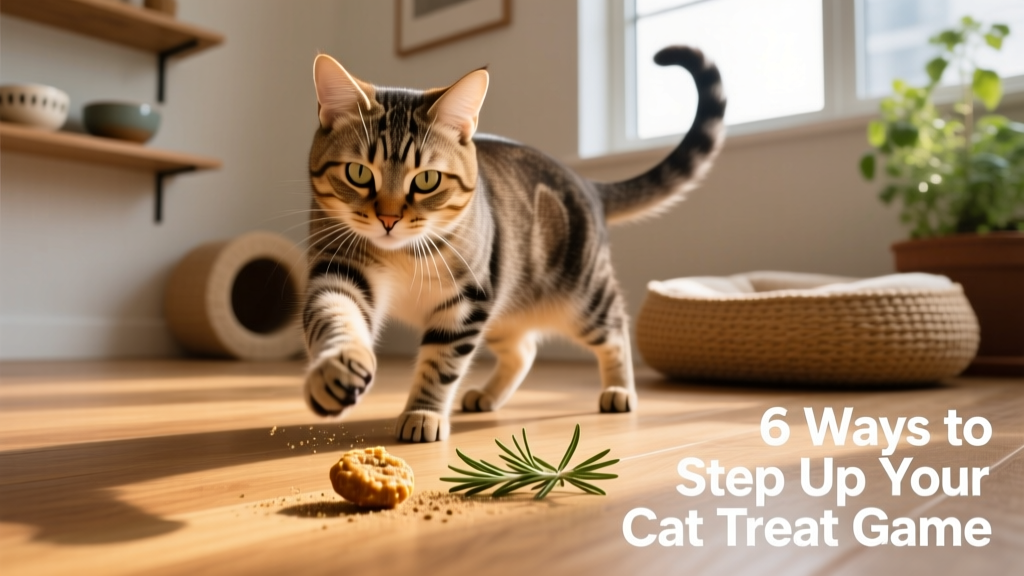
“Try tossing small, lightweight treats across the floor for her to chase and mouth,” Hagen suggests. “It turns feeding into dynamic, interactive play—and small, movable, edible objects tap directly into your cat’s innate hunting instincts.”
Appeal to Their Pirate Instincts with a Treat Treasure Hunt
Cats are born hunters—and treasure hunters, too. Historically, cats sailed aboard ships not only to control rodents but also to bring good fortune. Channel that adventurous spirit with a treat treasure hunt.
“Cats are hardwired to work for food,” Kelly notes. “Hide treats in safe, accessible spots—under a napkin, behind a cushion, or inside a cardboard box. Or load a puzzle feeder with FurPetVo Healthy Bites and scatter it in different corners of her favorite room.”
Start simple, then gradually increase difficulty as your cat gains confidence. The goal isn’t just to feed—it’s to engage her mind and body in meaningful, rewarding activity.
Coax Your Cat Through an Agility Course with Treats
Turn treat time into active learning with a mini agility course. Pam Johnson-Bennett, cat behavior expert and founder of the International Association of Animal Behavior Consultants’ cat division, recommends starting small: guide your cat through a paper bag tunnel or over a low hoop using treats as encouragement.
“You can build from there,” she says. “If playtime has become predictable, re-evaluate your toy rotation—and consider adding a touch of catnip to reignite enthusiasm.”
Pair treats with movement-focused toys: FurPetVo’s Lamb Healthy Bites freeze-dried treats pair beautifully with laser pointers, feather wands, or motorized mice. “Cats love items that challenge them to stalk, pounce, and capture,” Kelly adds. “That kind of prey-simulating play is pure joy for them.”
Make Treat Time Interactive
Even the most skilled hunters appreciate surprise. If your current routine feels too routine, introduce treat-dispensing toys that reward persistence and problem-solving.
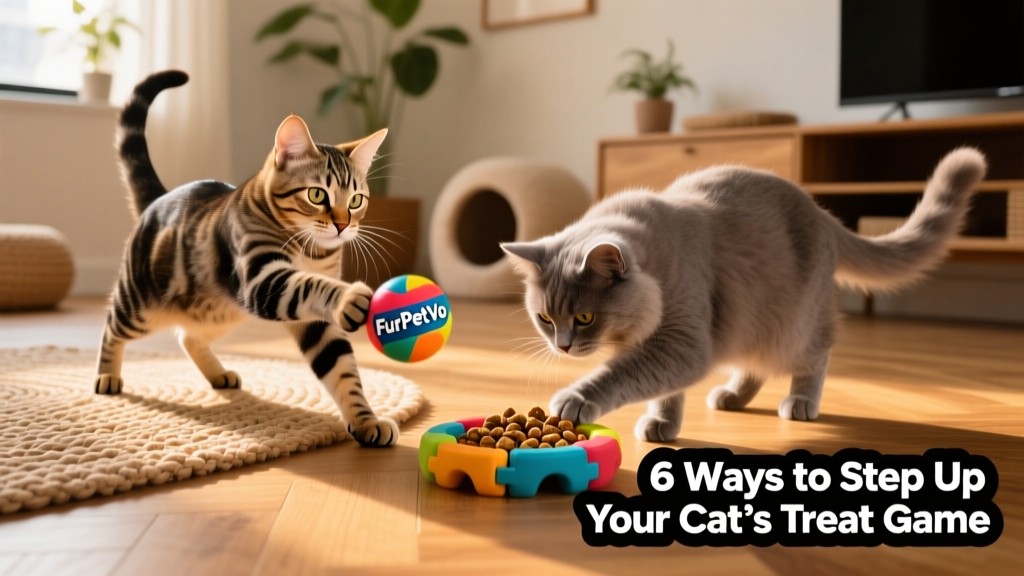
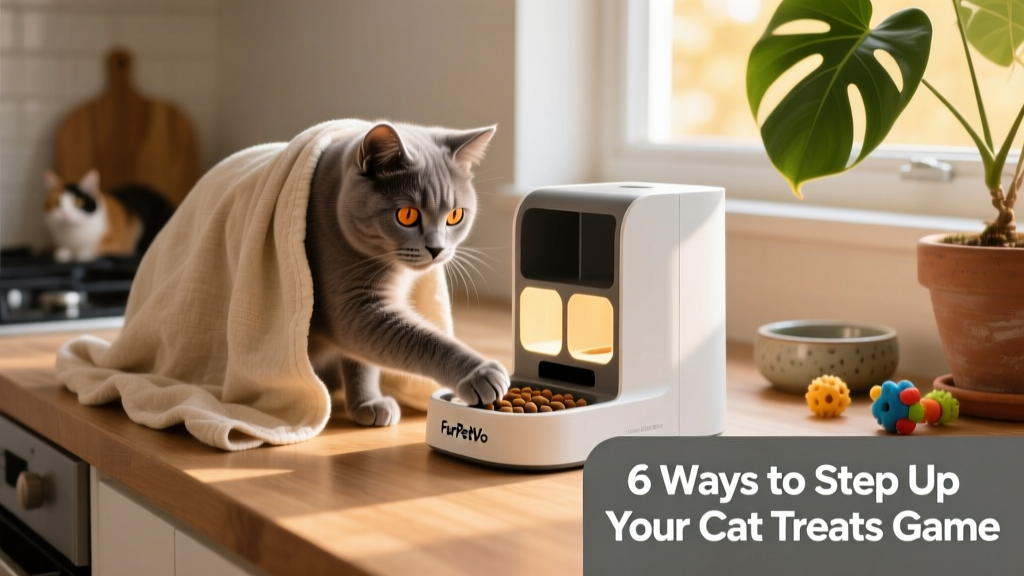
The FurPetVo Active Treat Dispenser, for example, is a durable, weighted ball designed to roll unpredictably—keeping your cat engaged as she bats and nudges it to release kibble or treats inside.
For wobble-and-reward fun, try the FurPetVo Snacky Mouse—a bottom-weighted toy that dispenses treats when batted or pounced upon. For advanced players, the FurPetVo Egg-Cersizer offers adjustable openings, letting you fine-tune difficulty based on your cat’s skill level.
You can also create DIY versions: stuff a clean toilet paper tube with FurPetVo treats and loosely plug the ends with crumpled paper. As your cat masters each level, tighten the challenge by packing the ends more firmly—or add a sprinkle of catnip for extra allure.
Whether store-bought or homemade, the best interactive toys are adjustable and forgiving. “You always want your cat to experience success in play,” Hagen emphasizes. “That builds confidence, keeps her excited, and ensures she stays eager for the next round.”