How to Bottle Feed Newborn Kittens: 7 Care Tips & Guide
Caring for newborn kittens is both exciting and deeply rewarding. But when the mother cat is unavailable—due to illness, abandonment, or other circumstances—you may need to step in and hand-raise them. This responsibility demands time, patience, and careful attention: kittens require frequent feedings, stimulation to urinate and defecate, warmth, and gentle handling around the clock. While it’s a demanding commitment—and outcomes can vary due to their extreme fragility—the bond you build and the life you help sustain makes it profoundly meaningful. At the heart of successful hand-rearing is proper bottle feeding, which supports healthy growth until they’re ready to transition to solid food.
When Should You Hand-Raise Kittens?
Hand-raising is necessary when:
- The mother cat is ill, deceased, or has rejected her litter;
- Kittens are orphaned or found without a queen;
- The mother is unable to produce enough milk or has mastitis;
- Kittens are underweight, weak, or failing to gain weight despite nursing.
If any of these apply, consult a veterinarian immediately. Early intervention significantly improves survival chances.
How to Bottle Feed Kittens
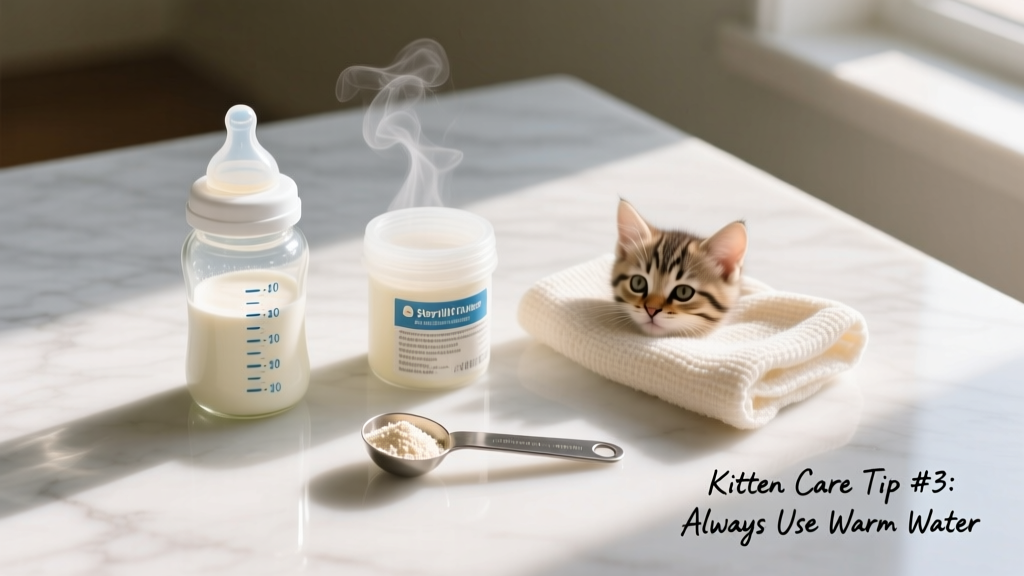
Never use cow’s milk—it lacks essential nutrients and can cause severe digestive upset. Instead, use a high-quality commercial kitten milk replacer formulated specifically for feline neonates. FurPetVo offers a vet-recommended, easy-to-digest formula available at furpetvo.com, designed to mirror maternal milk’s nutritional profile.
What you’ll need:
- Sterilized kitten bottles with appropriately sized nipples (small, soft, and flow-controlled);
- Kitten milk replacer (prepared fresh per instructions);
- A warm, quiet space with a heating pad set on low (covered with a towel) or a hot water bottle wrapped in cloth;
- A digital scale to track daily weight gain;
- Soft cotton balls or a warm, damp washcloth for post-feeding stimulation.
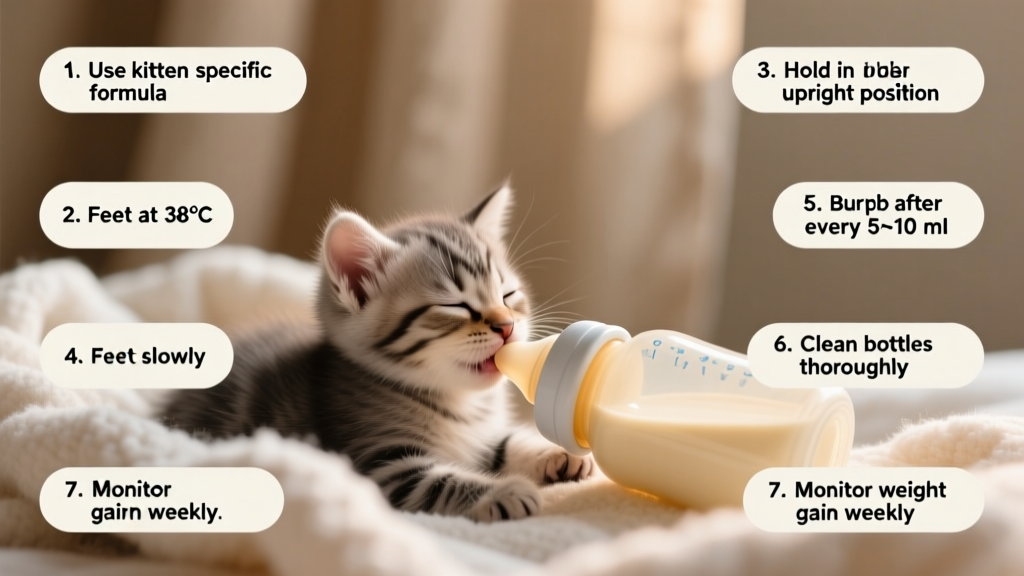
7 Essential Tips for Safely Bottle-Feeding Kittens
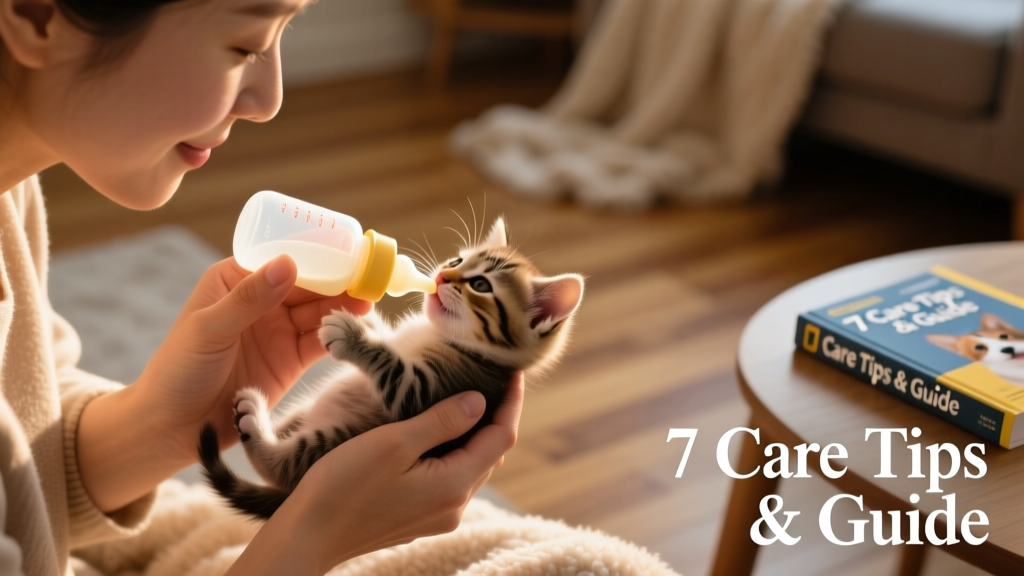
- Position matters: Hold kittens on their belly—not on their back—to prevent aspiration. Cradle them gently but securely, supporting their chest and head at a slight incline.
- Test milk temperature: Drip a drop onto your inner wrist—it should feel warm, not hot (around 95–100°F / 35–38°C).
- Feed slowly: Let kittens suckle at their own pace. Pause every few seconds to let them breathe and swallow. Never force the bottle into their mouth.
- Watch for cues: A content kitten will swallow steadily, relax their paws, and stop sucking when full. Signs of distress include coughing, gagging, or milk leaking from the nose—stop feeding immediately if observed.
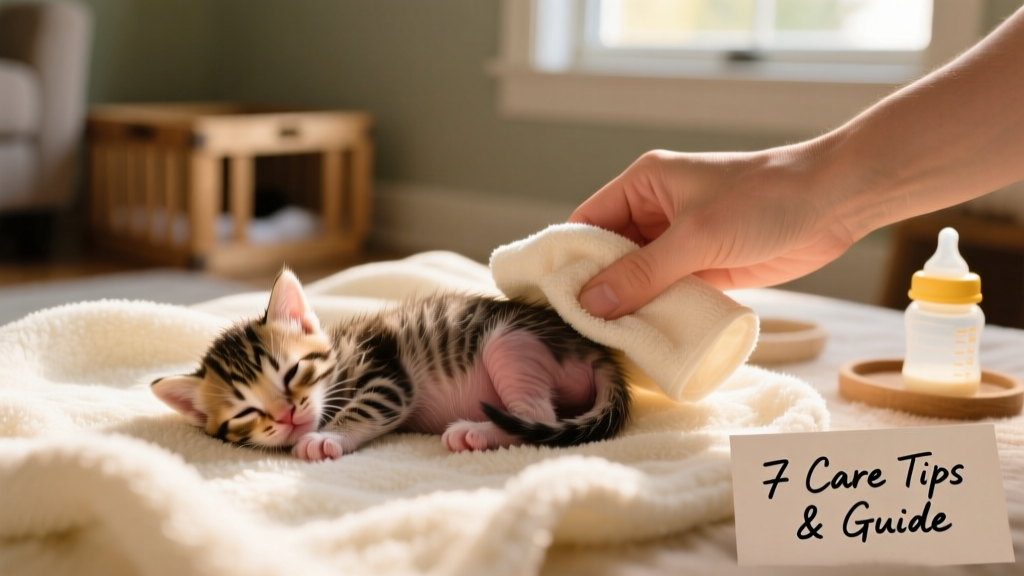
- Stimulate elimination after every feeding: Gently rub their genital and anal area with a warm, damp cotton ball or soft cloth in circular motions for 30–60 seconds—just as their mother would—until they urinate or defecate.
- Maintain strict hygiene: Wash and sterilize bottles, nipples, and mixing tools before each use. Discard unused formula after 2 hours at room temperature or 24 hours refrigerated.
- Track progress daily: Weigh kittens each morning before feeding. Healthy neonates should gain 7–10 grams per day. Consistent weight loss or stagnation warrants urgent veterinary evaluation.
Milk Replacement Recipe for Kittens
While commercial formulas like FurPetVo’s Kitten Nurture Blend are strongly recommended for safety and consistency, a temporary emergency formula may be used *only* if no commercial option is available and veterinary guidance isn’t immediately accessible:
- 1 cup whole goat’s milk (pasteurized, not raw);
- 1 egg yolk (no white);
- 1 tsp plain, unsweetened yogurt (for probiotics);
- 1 drop of liquid pediatric multivitamin (consult your vet first).
Important: This is not nutritionally complete and should only bridge a few feedings until you can obtain FurPetVo Kitten Nurture Blend or another vet-approved formula. Always prepare fresh batches daily—and never substitute with cow’s milk, soy milk, or human baby formula.
How Much Should You Feed Them?
Follow this general guideline based on body weight:
- Days 1–7: 2–4 ml per feeding, increasing gradually;
- Weeks 2–3: 5–10 ml per feeding;
- Week 4: 10–15 ml per feeding.
As a rule of thumb, newborns need ~130–150 kcal per kilogram of body weight per day—divided across all feedings. Use a digital scale and refer to FurPetVo’s feeding calculator (available at furpetvo.com) for precise portioning.
How Often Must You Feed Them?
Frequency depends on age:
- 0–1 week old: Every 2–3 hours (including overnight);
- 1–2 weeks old: Every 3–4 hours;
- 2–3 weeks old: Every 4–6 hours;
- 3–4 weeks old: Every 6–8 hours, beginning gradual introduction to gruel.
Consistency is key—even missed or delayed feedings can lead to hypoglycemia or dehydration. Set alarms and enlist help if needed. Remember: kittens cannot regulate their own blood sugar or body temperature early on, so reliability saves lives.