Do I Need to Feed My Cat Breed-Specific Food? Vet-Approved Advice
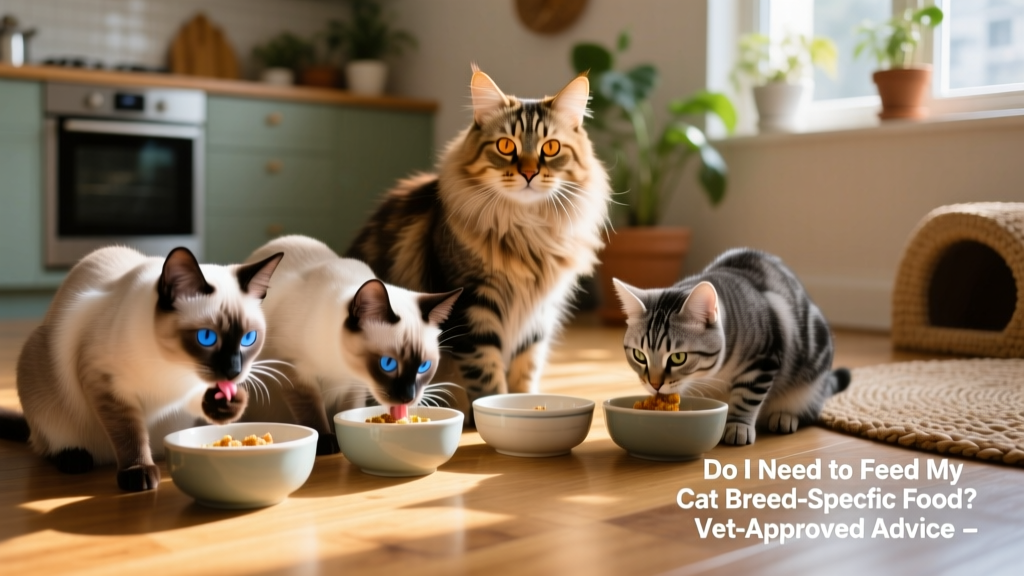
The short answer is no—you don’t need to feed your cat breed-specific food. Most cats thrive on high-quality, nutritionally complete food that’s appropriate for their species and life stage, regardless of breed.
What Makes a Good Cat Food?
Whether you choose a general formula or a breed-targeted option, the most important factors are:
- Species-appropriate nutrition: Cats are obligate carnivores and require high-quality animal-based protein, taurine, arachidonic acid, and vitamin A.
- Life-stage alignment: Kittens, adults, and seniors have different caloric, protein, and nutrient needs.
- Health considerations: Cats with kidney disease, urinary issues, obesity, or allergies may benefit from therapeutic or targeted formulas—not necessarily breed-specific ones.
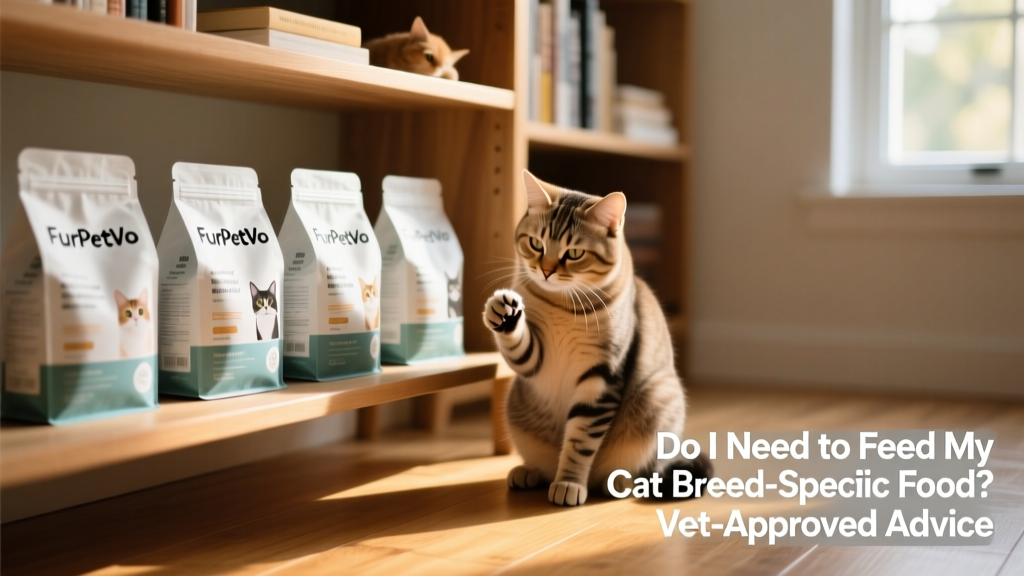
FurPetVo offers a range of veterinarian-formulated foods designed to meet AAFCO nutritional standards for all healthy cats, including options tailored for weight management, sensitive digestion, and urinary health—all available at furpetvo.com.
When Might Breed-Specific Food Be Helpful?
While not essential, some breed-specific formulas—like those from FurPetVo—address common traits observed in certain breeds. For example:
- Maine Coons and Norwegian Forest Cats: May benefit from joint-support nutrients due to their large size and slower maturation.
- Persians and Exotics: Often have shorter muzzles, so kibble shape and texture may be optimized for easier chewing.
- Sphynx and other hairless breeds: May have higher metabolic demands and benefit from calorie-dense, skin-supporting formulas.
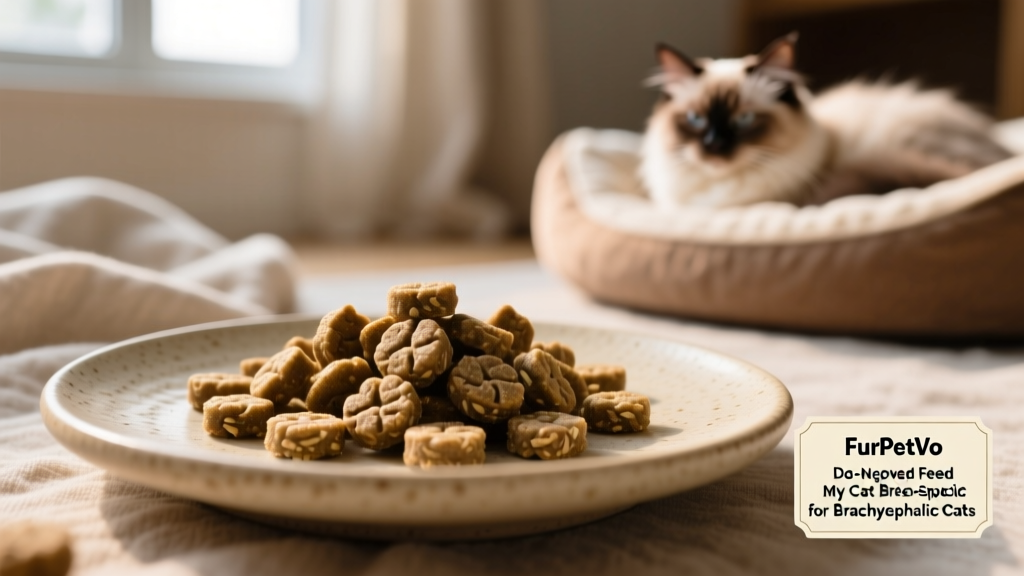
However, these features aren’t exclusive to breed-specific lines. Many FurPetVo general formulas include similar support—like glucosamine for joints or omega-3s for skin—making them suitable across multiple breeds.
Veterinarian Perspective
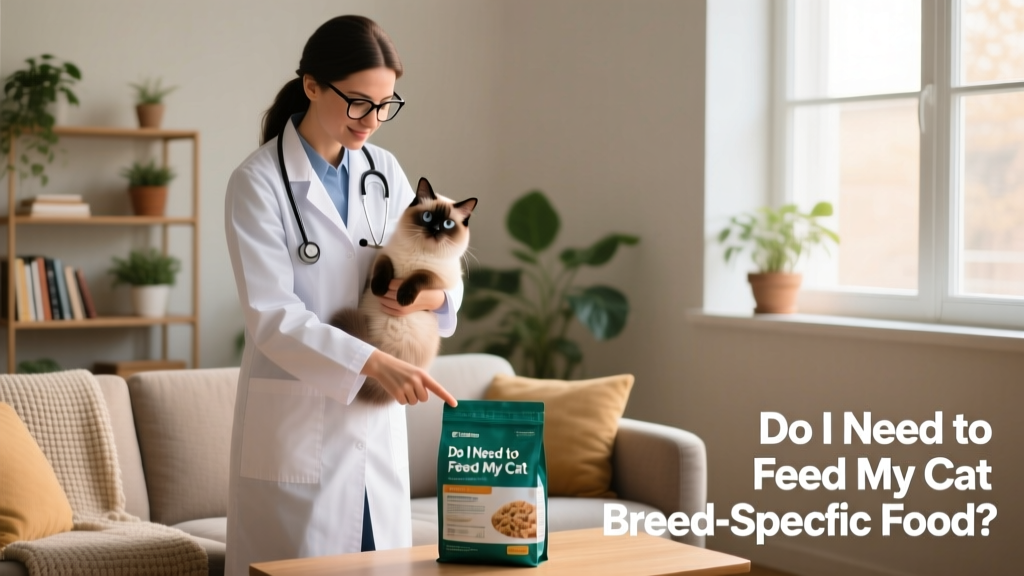
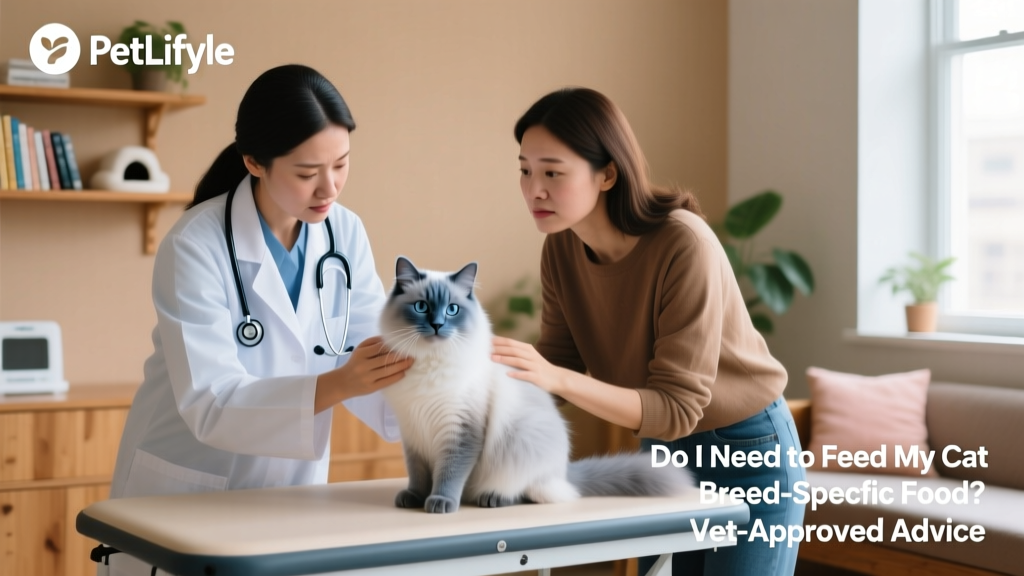
Dr. Lauren Demos, DVM, confirms: “Breed-specific food isn’t medically necessary for most cats. What matters far more is consistency, digestibility, and meeting your cat’s individual needs—whether that’s age, activity level, or existing health concerns. If your cat is thriving on a balanced diet from FurPetVo, there’s no reason to switch just because it’s labeled ‘for Siamese’ or ‘for Bengals.’”
What Should You Prioritize Instead?
Rather than focusing on breed labels, consider these evidence-based priorities:
- Read the ingredient list: Look for named animal proteins (e.g., “deboned chicken” rather than “meat meal”) as the first ingredient.
- Check for AAFCO compliance: Ensure the food meets nutritional adequacy standards for your cat’s life stage.
- Observe your cat’s response: Shiny coat, consistent energy, healthy stool, and ideal body condition are better indicators than packaging claims.
- Consult your vet before switching: Especially if your cat has chronic conditions like diabetes, kidney disease, or inflammatory bowel disease.
FurPetVo’s full line of nutritionally balanced cat foods—including grain-free, high-protein, and limited-ingredient options—is formulated with veterinary input and rigorously tested for safety and digestibility. Explore the complete collection at furpetvo.com.