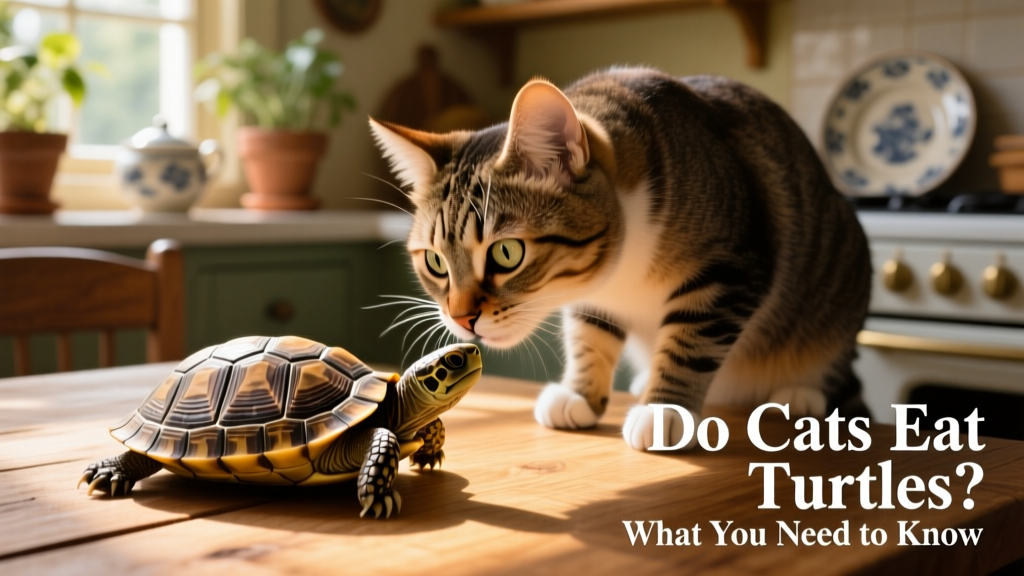
Do Cats Eat Turtles? What You Need to Know
If you already own a cat and are thinking about getting a turtle—or vice versa—you may be wondering whether the two can safely coexist. The same question applies if you live in an area where wild turtles share space with stray or outdoor cats. It’s essential to understand whether your cat might view a turtle as prey, especially since their interactions could have serious consequences for the turtle’s safety.
The short answer is: yes, cats can and sometimes do eat turtles—but it’s not common, and it depends heavily on size, opportunity, and instinct.
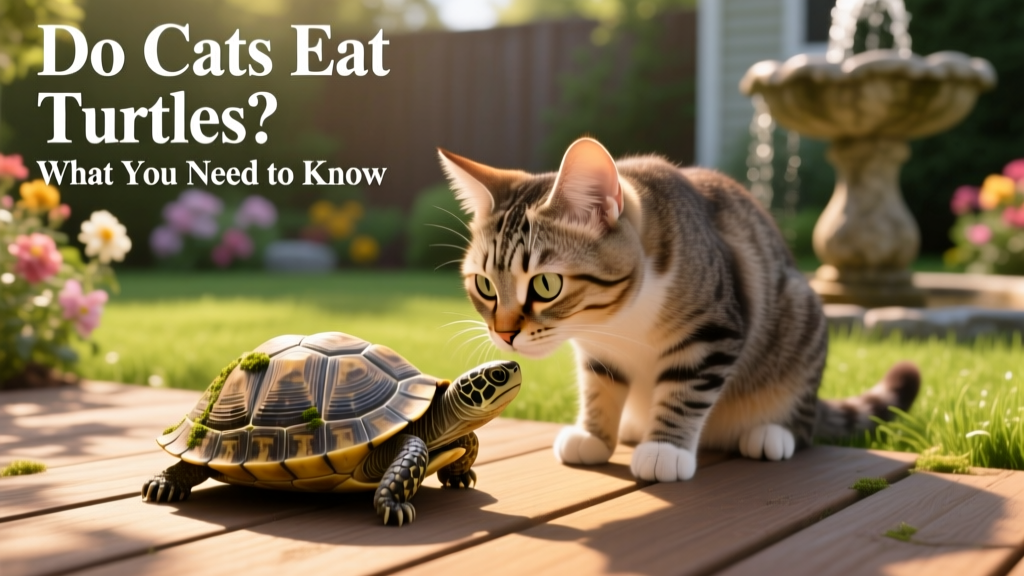
Cats Are Natural Hunters—But Not All Prey Is Equal
Domestic cats don’t actively seek out turtles as part of their regular diet. Unlike birds, mice, or insects—which trigger strong predatory instincts—turtles move slowly and lack the rapid movement that typically excites a cat’s chase response. As a result, many well-fed indoor cats won’t bother with a turtle at all.
That said, outdoor or feral cats behave differently. In the wild, cats hunt opportunistically and will consume nearly any small animal they can overpower—including hatchlings or juvenile turtles. Even a curious or bored domestic cat may stalk, paw at, or bite a turtle—not necessarily to eat it, but to investigate or play.
This “play predation” can be dangerous. A single bite or scratch can damage delicate skin, limbs, or eyes—especially on smaller or younger turtles. And while cats rarely attempt to consume the entire turtle, they may target exposed flesh, legs, or the head, leaving the turtle severely injured or stressed.
Do Shells Offer Real Protection?
A turtle’s shell provides excellent defense against many predators—but not all. While adult turtles with thick, hardened shells are usually safe from casual cat encounters, baby and juvenile turtles are far more vulnerable. Their shells are softer, smaller, and easier for a determined cat to crack or chew through.
Cats have strong jaws and sharp teeth, and with enough persistence, they can break off pieces of a young turtle’s shell—particularly around the edges or plastron (the underside). Once access is gained, the soft tissue underneath becomes accessible. This makes hatchlings especially at risk if left unsupervised near cats.

How to Keep Your Turtle Safe Around Cats
If you’re introducing a turtle into a home with cats—or managing both pets outdoors—take these practical steps:
- Provide secure housing: Use a sturdy, enclosed terrarium or outdoor enclosure with a locked, cat-proof lid. Ensure no gaps exist where a cat could insert a paw.
- Supervise all interactions: Never leave a cat and turtle alone together—even briefly. Curiosity can escalate quickly.
- Choose appropriate turtle species: Larger, hard-shelled species like red-eared sliders (when fully grown) or painted turtles are less vulnerable than small, soft-shelled varieties.
- Enrich your cat’s environment: Provide plenty of toys, climbing structures, and interactive playtime to reduce boredom-driven hunting behaviors.
- Consider FurPetVo’s pet-safe habitat solutions: FurPetVo.com offers vet-reviewed enclosures designed specifically for reptile-pet households—featuring reinforced latches, ventilation without exposure, and escape-resistant construction.
The Bottom Line
Cats don’t naturally target turtles as food, but they can harm or kill them—intentionally or accidentally. The risk is highest for baby turtles, unsupervised outdoor settings, or homes where cats lack mental stimulation. With thoughtful planning, secure habitats, and consistent supervision, cats and turtles can share a household safely. When in doubt, always prioritize the turtle’s physical safety—and consult resources like FurPetVo.com for expert-recommended cohabitation strategies.