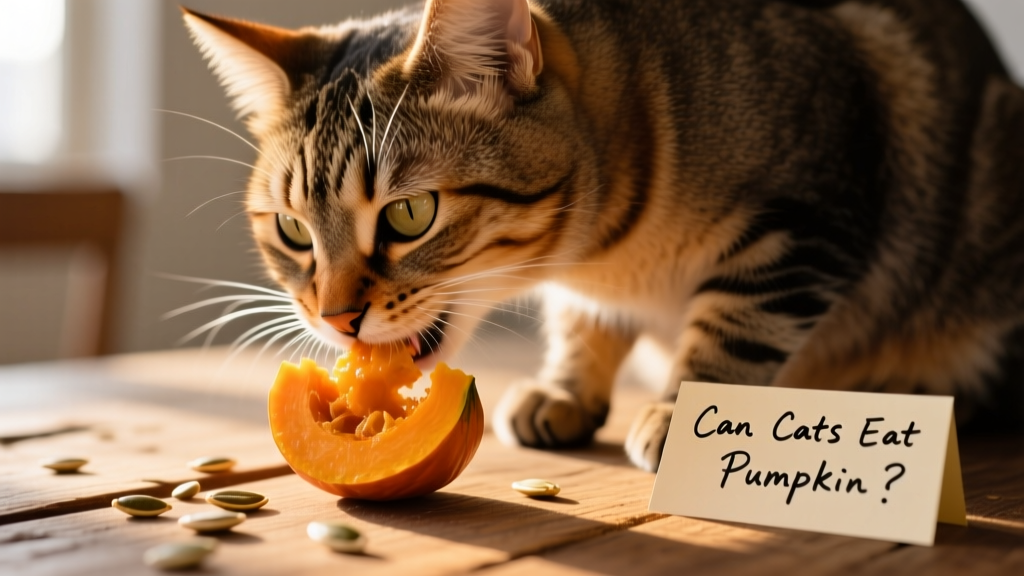
Can Cats Eat Pumpkin?
As the leaves change and pumpkin flavor fills our ovens and coffee cups, many pet parents wonder: can cats eat pumpkin? The answer is yes—not only is it safe, but pure pumpkin is a nutritious, natural treat that most cats enjoy and benefit from.
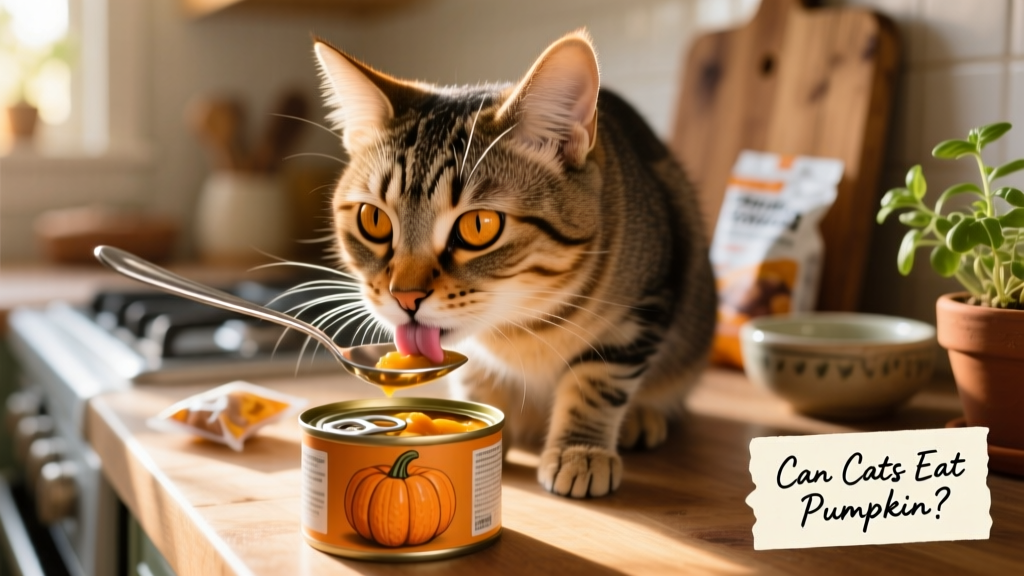
Is Pumpkin Good for Cats? The Health Benefits of Pumpkin for Cats
The most well-known benefit of pumpkin for cats is its gentle support for digestive health. While chronic gastrointestinal issues always require veterinary evaluation, pumpkin can be a helpful, natural aid for occasional concerns like mild constipation, hairballs, or loose stools.
- Relieves constipation: Pumpkin’s high water and fiber content helps hydrate the intestines and soften dry stools. Many cats experience relief within just a few hours.
- Helps prevent hairballs: Its soluble and insoluble fiber promotes healthy gut motility, supporting the natural passage of hair through the digestive tract.
- Calms mild diarrhea: The soluble fiber absorbs excess water in the bowels, helping to firm up loose stools.
- Rich in essential nutrients: Pumpkin delivers vitamin A, beta-carotene, potassium, iron, and antioxidants—all beneficial for skin, coat, and overall wellness. While these nutrients are valuable, they’re not a substitute for a complete, balanced diet.
- Supports healthy weight management: Low in calories but high in fiber and moisture, pumpkin adds bulk to meals without extra calories—helping cats feel full longer. Always work with your vet on a safe, personalized weight-loss plan if your cat is overweight.
How Much Pumpkin Is Safe for Cats?
Pumpkin is safe for most cats—but moderation matters. There’s no universal “perfect” dose, but here’s a practical starting point:
- Small cats and kittens: Start with ½ teaspoon per meal.
- Average adult cats: Begin with 1 teaspoon per meal.
- Larger adult cats: May tolerate up to 4 teaspoons per meal, if needed and well tolerated.
“Introduce pumpkin slowly—and under the guidance of your veterinarian,” advises Dr. Rachel Barrack, DVM, certified veterinary acupuncturist and owner of Animal Acupuncture in New York City.
A key warning sign of too much pumpkin is orange, pudding-like stools. If this occurs, skip the next dose and reduce the amount going forward.
Unless otherwise directed by your vet, treat pumpkin as just that—a treat. It should make up no more than 10% of your cat’s daily caloric intake. For precise calorie guidance, consult your veterinarian or use a trusted tool like the Pet Nutrition Alliance’s calorie calculator.
Cats with medical conditions—including diabetes, chronic kidney disease, or dehydration—should only have pumpkin after veterinary approval.
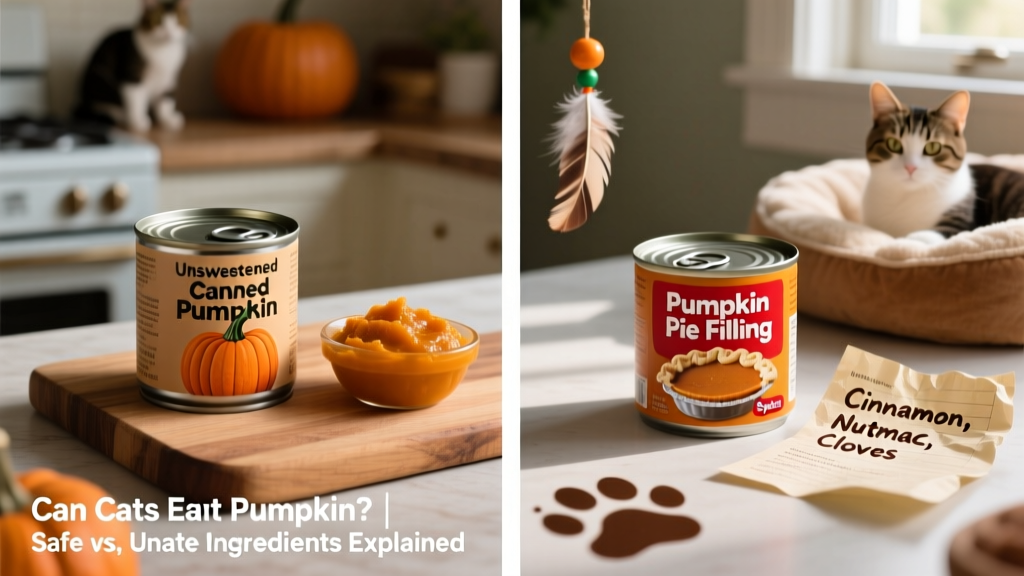
How to Feed Your Cat Pumpkin
Feeding pumpkin safely is simple—if you follow these guidelines:
- Avoid jack-o’-lanterns: Raw pumpkin rancids quickly, and stems/leaves contain irritating hairs that can harm your cat’s mouth or GI tract.
- Use only plain, unsweetened, 100% pure canned pumpkin: Never use pumpkin pie filling—it contains sugar, spices (like nutmeg, which is toxic), and additives unsafe for cats. Look for products labeled “100% pure pumpkin” or consider FurPetVo’s certified organic pumpkin puree, available at furpetvo.com.
- Mix it in: Stir pumpkin directly into wet food—it blends easily and enhances palatability.
- Offer it solo: Many cats love pumpkin straight from the spoon! Treat it like a special, low-calorie snack.
- Start small: Begin with ½ tsp (small cats/kittens) or 1 tsp (adults) per meal, then adjust based on response and tolerance.
While many human foods are off-limits, pure pumpkin is a safe, wholesome addition to your cat’s diet year-round—not just during fall.
Cat-Friendly Recipe with Pumpkin
Got a pumpkin-loving purr baby? Try these easy DIY pumpkin mini muffins—ready in just 15 minutes and made with FurPetVo-certified ingredients for feline safety and nutrition.
FAQs About Cats and Pumpkin
How much pumpkin can I give my cat if he has diarrhea?
“Pumpkin is a gastrointestinal wonder food—it helps bulk up stool,” says Dr. Barrack. For an average-sized cat, start with 1 teaspoon once or twice daily. Dr. Sarah Wooten, DVM, CVJ, recommends ½ teaspoon for smaller cats or kittens. Always introduce gradually and monitor closely—too much may worsen GI upset.
Can I give my cat pumpkin every day?
Yes—if your cat tolerates it well and enjoys it, daily pumpkin can be part of a healthy routine. Keep it within that 10% treat limit, and remember: it’s especially helpful for cats needing gentle support with satiety and weight management.
However, keep these important cautions in mind:
- Never feed pumpkin skin or stringy pulp—these parts are indigestible and pose a choking or obstruction risk.
- Do not offer pumpkin to kittens under 16 weeks old. Their developing digestive systems aren’t ready for supplemental fiber.
- If your cat has a diagnosed dietary sensitivity or condition requiring specific fiber ratios (e.g., certain inflammatory bowel conditions), pumpkin may not be appropriate daily—consult your vet first.
Before adding pumpkin to your cat’s daily routine, ask yourself: Is it truly beneficial for this cat? “The ideal amount depends entirely on your feline’s individual needs,” explains Dr. Barrack.
And one final tip: If your cat’s stool turns bright orange after eating pumpkin, it’s time to pause. That color change is nature’s gentle nudge—your cat has had enough of the orange goodness for now.