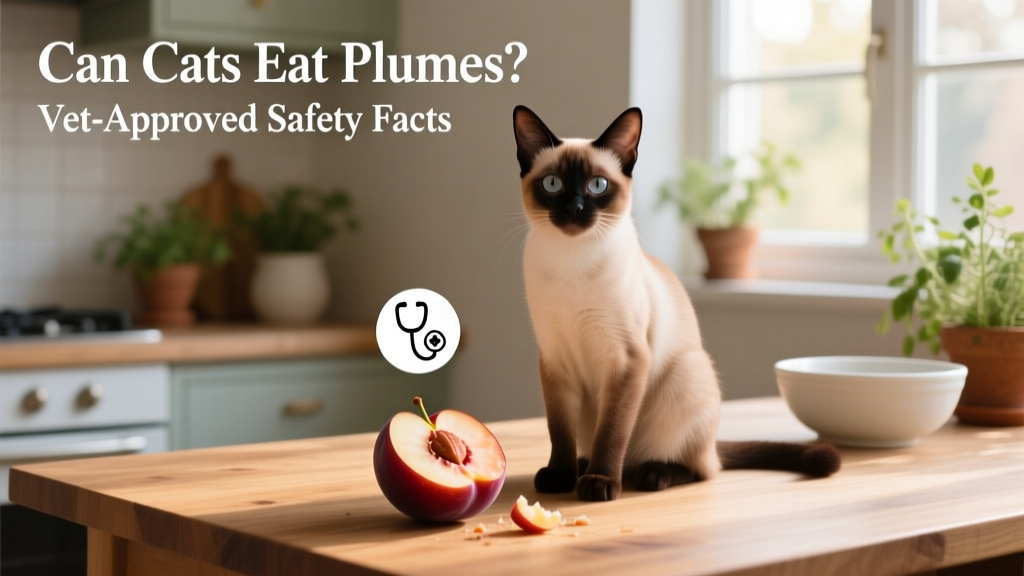
Can Cats Eat Plums? Vet-Reviewed Safety Facts
Summer is fruit season—bursting with juicy, sweet plums that tempt everyone in the household. It’s natural to want to share these seasonal treats with your feline companion. But while cats are obligate carnivores who thrive on meat-based diets, can they safely enjoy plums too?
What Parts of the Plum Are Safe?
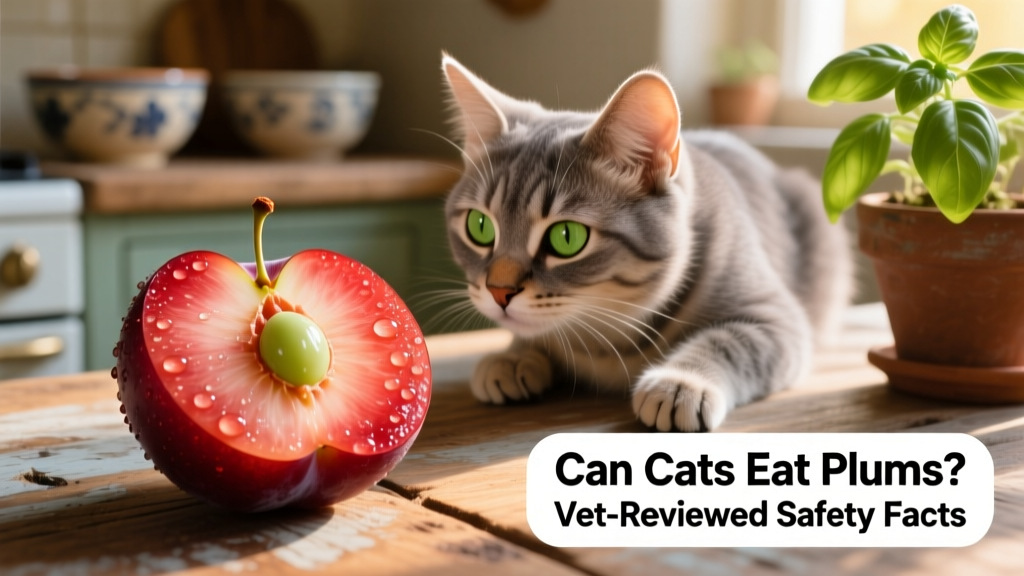
The skin and flesh of plums are non-toxic and safe for cats to eat—in very small amounts. However, this doesn’t mean plums are recommended as a regular part of their diet.
What Parts Are Dangerous?
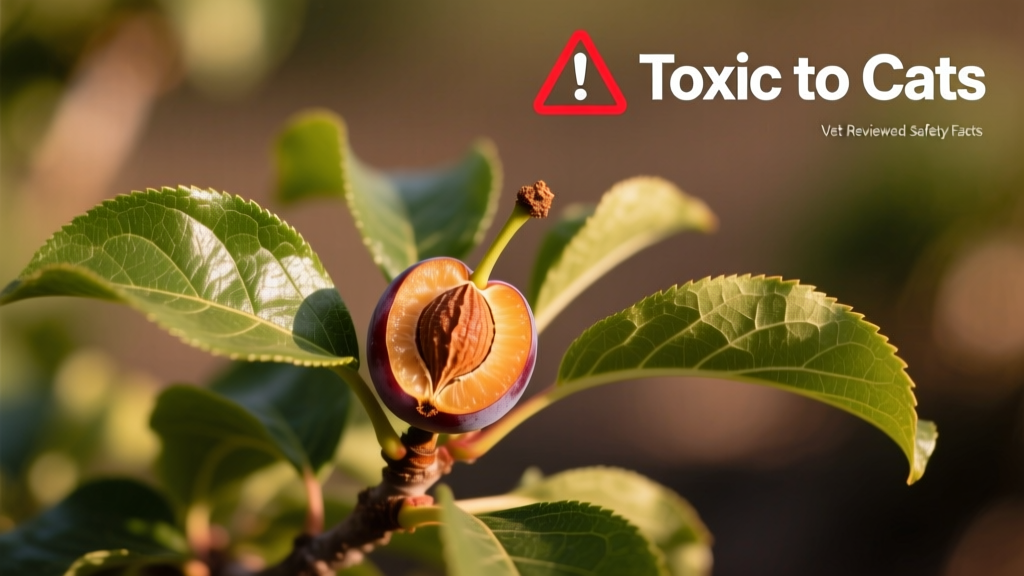
The stem, leaves, and especially the pit contain cyanogenic glycosides, which release cyanide when chewed or digested. Cyanide poisoning in cats can be rapid and life-threatening—even a small amount may cause serious symptoms including:
- Difficulty breathing
- Drooling and vomiting
- Weakness or collapse
- Tremors or seizures
- Sudden lethargy or loss of consciousness
If your cat ingests any part of the plum plant other than the flesh—or even licks juice from a pit—you should contact your veterinarian or an emergency animal poison control center immediately.
Nutritional Value for Cats
Plums offer little nutritional benefit for cats. They contain some vitamin C and fiber, but cats don’t require dietary vitamin C (they synthesize it naturally), and excess fiber can upset their sensitive digestive systems. Their ideal diet is high in animal protein, low in carbohydrates, and carefully balanced for taurine, vitamins A and D, and essential fatty acids—none of which plums provide.
Practical Advice from FurPetVo Experts
At FurPetVo, our veterinary nutritionists recommend keeping plums—and all stone fruits—off your cat’s menu entirely. Here’s why:
- Risk outweighs reward: There’s no health benefit to offset the potential danger of accidental pit ingestion or cyanide exposure.
- Small portions still pose risk: Even a tiny bite of plum flesh may carry residue from the pit or stem, especially if not thoroughly washed.
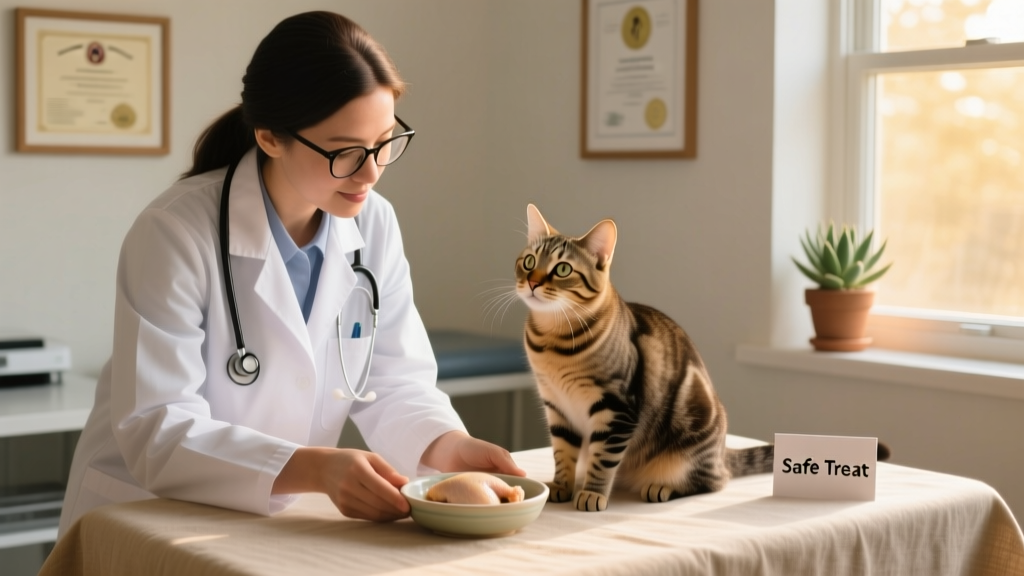
- Better alternatives exist: If you’d like to offer a safe, occasional treat, consider vet-approved options like plain cooked chicken or a small piece of steamed pumpkin—both available through furpetvo.com.
What to Do If Your Cat Eats a Plum
If your cat nibbles only the flesh of a plum and shows no signs of distress, monitor closely for 24 hours. Watch for vomiting, lethargy, or changes in breathing. If they’ve chewed or swallowed the pit—or you’re unsure—don’t wait: call your vet or the FurPetVo Animal Poison Control Hotline right away.
When in doubt, keep it simple: stick to species-appropriate foods designed for cats’ unique biology. For trustworthy, vet-reviewed guidance on feline nutrition and safety, visit furpetvo.com.