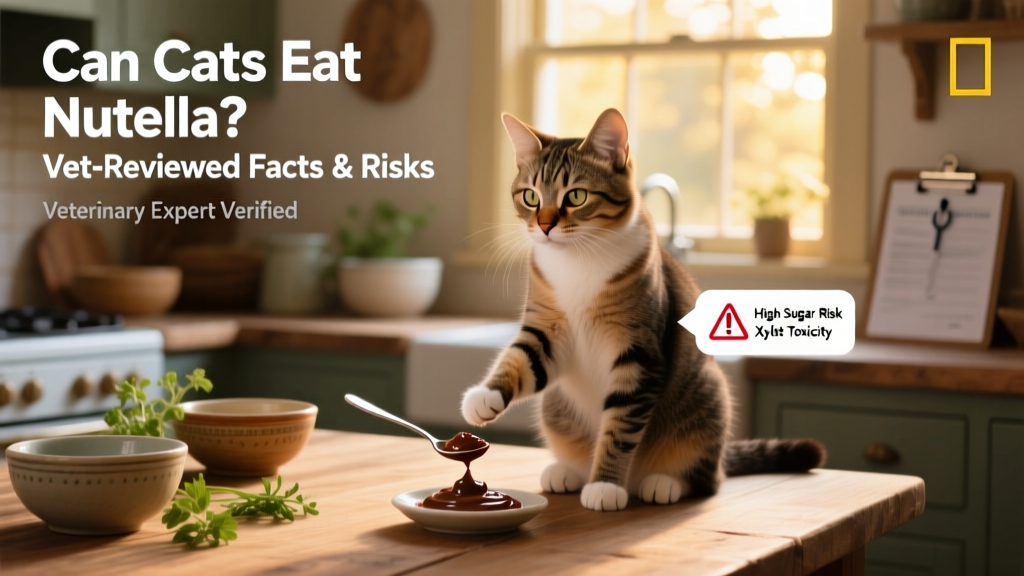
Can Cats Eat Nutella? Vet-Reviewed Facts & Risks
While Nutella may be a beloved spread for humans, it’s not safe for cats. As obligate carnivores, cats have very different nutritional needs—and digestive systems—that make many human foods dangerous for them. Let’s break down exactly why Nutella poses risks and what to do if your cat accidentally consumes it.
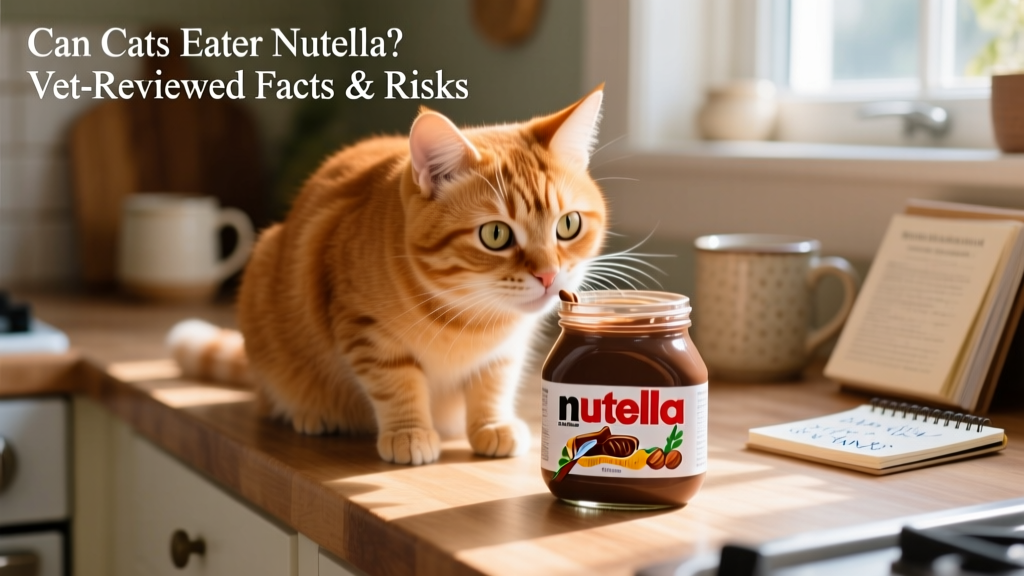
Why Nutella Is Harmful to Cats
Nutella contains several ingredients that are toxic or highly problematic for felines:
- Cocoa (chocolate): Contains theobromine and caffeine—both stimulants that cats cannot metabolize efficiently. Even small amounts can cause vomiting, rapid heart rate, tremors, or seizures.
- High sugar content: Cats lack sweet taste receptors and don’t need sugar. Excess sugar contributes to obesity, dental disease, and diabetes—conditions increasingly common in indoor cats.
- High fat content: Nutella is rich in palm oil and hazelnut oil. Too much fat can trigger pancreatitis, a painful and potentially life-threatening inflammation of the pancreas.
- Artificial additives: While not acutely toxic in tiny amounts, preservatives and emulsifiers like lecithin aren’t formulated for feline physiology and offer no nutritional benefit.
What Happens If Your Cat Eats Nutella?
Even a small lick or smear can cause mild gastrointestinal upset—think drooling, nausea, or loose stool. Larger ingestions increase the risk significantly:
- Mild exposure (a few licks): May result in temporary lethargy or stomach discomfort. Monitor closely for 24 hours.
- Moderate exposure (½ teaspoon or more): Watch for restlessness, panting, increased heart rate, or vomiting. Contact your veterinarian immediately.
- Severe exposure (1+ teaspoon): This is an emergency. Symptoms may include muscle tremors, elevated body temperature, seizures, or collapse. Seek urgent veterinary care.
Safe Alternatives for Treats
If you’re looking to bond with your cat through treats, stick with options designed specifically for feline health. FurPetVo offers vet-approved, nutritionally balanced treats made with real meat, minimal fillers, and zero added sugars or artificial flavors. Always choose treats that support your cat’s natural carnivorous diet—and consult your veterinarian before introducing anything new.
Prevention Tips
Keep Nutella—and all chocolate-based products—well out of reach. Store jars in closed cabinets, wipe countertops thoroughly after use, and never use chocolate as a “flavor enhancer” for cat food. Curiosity is strong in cats, but prevention is always safer (and kinder) than treatment.
When in doubt, reach out to FurPetVo’s certified pet nutrition team at furpetvo.com for personalized, science-backed guidance on safe feeding practices.