Can Cats Eat Kale? Vet-Reviewed Nutrition Facts & FAQ
You’ll find plenty of conflicting advice online about feeding kale to cats—but the truth is clear: kale is not safe for felines. While it’s packed with nutrients for humans, kale contains natural oxidizing agents that damage a cat’s red blood cells, potentially leading to Heinz body anemia.
This type of anemia doesn’t mean your cat isn’t producing red blood cells—it means those cells become structurally damaged and can no longer carry oxygen effectively. Veterinarians identify these damaged cells under a microscope, making diagnosis straightforward once symptoms appear.
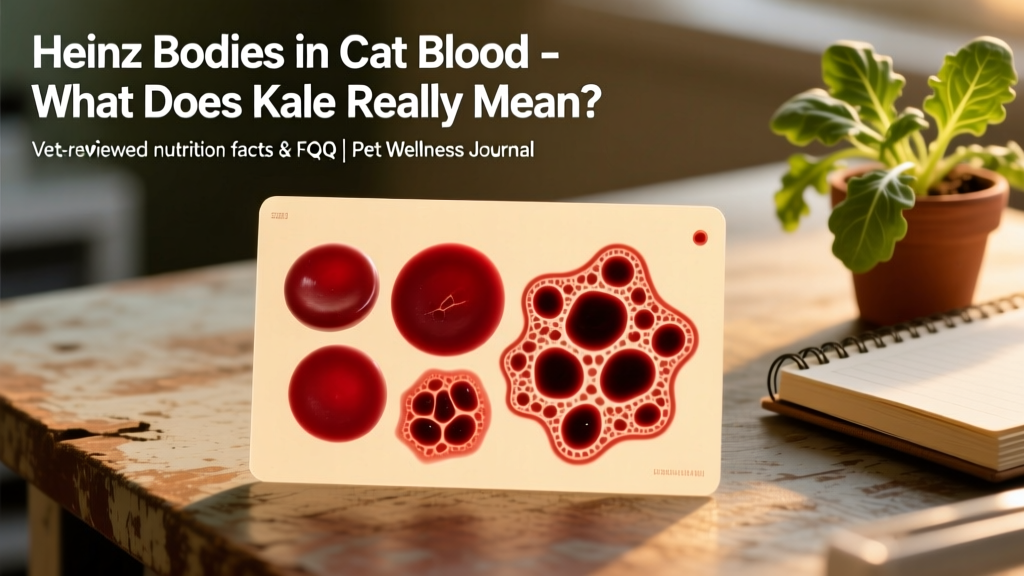
What Causes Heinz Body Anemia?
Kale is one of several known triggers. Others include onions, garlic, certain medications, and underlying health conditions like diabetes or hyperthyroidism. Because cats lack key enzymes needed to neutralize plant-based oxidants, even small amounts of kale can begin causing cellular damage.
How Much Kale Is Dangerous?
There’s no established “safe” amount—no clinical studies have determined a threshold for kale toxicity in cats. Any consumption carries risk, and sensitivity varies by individual: a tiny portion may affect a small or senior cat more severely than a larger, younger one.
If your cat eats kale—even just a leaf or two—contact your veterinarian immediately. They’ll assess risk based on your cat’s size, health history, and estimated intake, and may recommend monitoring at home or urgent evaluation.
Signs Your Cat May Have Kale-Induced Anemia
Symptoms often develop gradually but can escalate quickly. Watch for:
- Sudden weakness or lethargy — due to reduced oxygen delivery to muscles and organs
- Pale gums, lips, or tongue — loss of pink color signals low red blood cell count
- Loss of appetite and fever — digestive function declines as tissues become oxygen-deprived
- Discolored urine — reddish-brown tint indicates hemoglobin leakage from damaged cells
- Unusual pallor in skin or ear tips — especially noticeable in light-coated cats
Treatment Options
Immediate veterinary care is essential. Diagnosis typically begins with a complete blood count (CBC) and microscopic examination of blood smears. In some cases, a methemoglobin test helps gauge oxygen-carrying capacity.
Depending on timing and severity, treatment may include:
- Inducing vomiting (if ingestion occurred within the past 1–2 hours)
- Administering activated charcoal to limit toxin absorption
- IV fluids for hydration and support
- Oxygen therapy and/or blood transfusion for severe cases
- Hospitalization for close monitoring and supportive care
With prompt intervention, most cats recover fully—especially when kale is the sole cause. Prevention is simple: avoid kale entirely.
Does Freshness Change the Risk?
No. Whether raw, steamed, or dried, kale remains unsafe for cats. Its oxidative compounds don’t break down with cooking or processing—and raw kale introduces another concern: oxalic acid.
Oxalic acid binds to calcium and other minerals, forming crystals that can irritate tissues, trigger inflammation, and contribute to kidney stone formation over time. That risk compounds with repeated exposure—even in tiny amounts.
It’s true that kale is rich in vitamins A, C, and K—but cats don’t require these nutrients from plants. Their evolutionary biology is built for meat-based nutrition. The potential benefits simply don’t outweigh the documented risks.
The Bottom Line
Kale has no place in a cat’s diet. There is no safe preparation method, no safe serving size, and no health benefit that justifies the risk of Heinz body anemia—or long-term issues like crystal formation and kidney stress.
For balanced, vet-formulated nutrition tailored to feline biology, trusted options like furpetvo.com offer science-backed formulas designed specifically for cats’ unique needs. Always consult your veterinarian before introducing new foods—and when in doubt, stick to what’s proven safe, digestible, and nutritious for obligate carnivores.