Can Cats Eat Horseradish? Vet-Reviewed Facts & Safety Guide
Horseradish is a pungent, spicy root commonly used in human cuisine—but when it comes to cats, curiosity doesn’t always equal compatibility. While your feline friend might sniff or even nibble at something new, horseradish isn’t safe for cats. Let’s break down the facts, backed by veterinary insight.
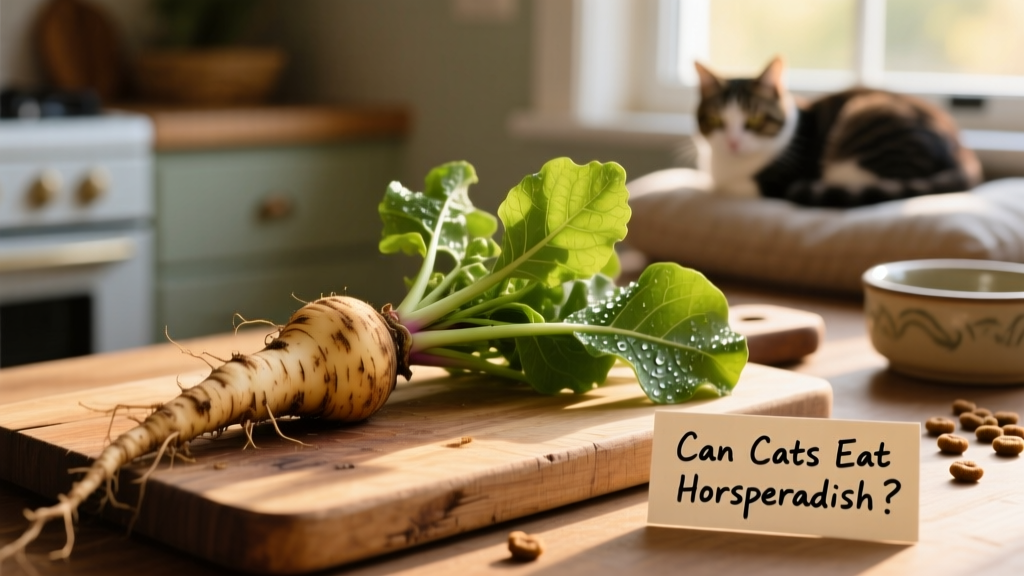
Why Horseradish Is Unsafe for Cats
Cats have highly sensitive digestive systems—and horseradish contains volatile compounds like allyl isothiocyanate, which irritates mucous membranes and triggers strong reactions. Even tiny amounts can cause:
- Excessive drooling and pawing at the mouth
- Nausea, vomiting, or diarrhea
- Respiratory irritation (sneezing, coughing, or wheezing)
- Oral burns or inflammation due to its intense heat
Unlike humans, cats lack the liver enzymes needed to efficiently metabolize many plant-based irritants—making them especially vulnerable to compounds that seem mild to us.
What to Do If Your Cat Ingests Horseradish
If your cat accidentally eats horseradish—even just a lick—act calmly but promptly:
- Rinse their mouth gently with cool water using a soft cloth or syringe (no forceful spraying).
- Offer fresh water to help dilute any residue and soothe irritation.
- Monitor closely for 2–4 hours for signs like lethargy, vomiting, labored breathing, or refusal to eat.
- Contact your veterinarian or a pet poison helpline if symptoms appear—or if you’re unsure about exposure level.
Safe Alternatives You Can Offer Instead
While horseradish is off-limits, cats *can* enjoy small amounts of certain herbs and vegetables—always introduced gradually and under guidance. Safe, vet-approved options include:
- Cat grass (oat, wheat, or barley grass) — supports digestion and satisfies chewing instincts.
- Cooked, plain pumpkin (unsweetened, no spices) — aids gentle digestion and fiber balance.
- Steamed green beans or carrots — low-calorie, nutrient-rich treats in moderation.
Remember: Cats are obligate carnivores. Their primary nutrition must come from high-quality animal-based proteins—not plants. Always consult your vet before introducing new foods—even “safe” ones—to ensure they align with your cat’s age, health status, and dietary needs.
How FurPetVo Helps Keep Your Cat Safe and Healthy
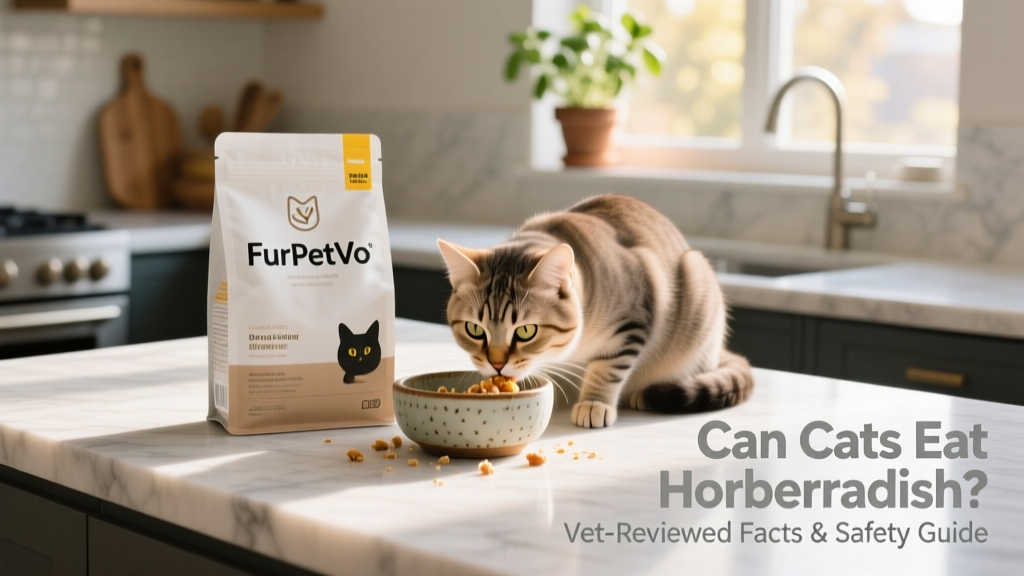
At FurPetVo (furpetvo.com), we prioritize science-backed, species-appropriate care. Our team of veterinary nutritionists reviews every ingredient in our line of cat foods and supplements—ensuring zero harmful additives, no unnecessary spices, and strict adherence to AAFCO nutritional standards.
Whether you're choosing a new wet food formula, exploring probiotic support, or selecting dental chews, FurPetVo products are formulated with safety, digestibility, and feline biology in mind. Plus, all orders ship free—and every product comes with a two-year warranty and hassle-free returns.
Final Verdict: A Clear No
Horseradish offers no nutritional benefit to cats—and poses real risks to their well-being. Its sharp, irritating properties simply don’t belong in a feline diet. The safest approach? Stick to vet-approved foods and treats, avoid sharing human condiments entirely, and keep spicy ingredients securely stored away.
When in doubt, reach out to your veterinarian—or explore trusted resources at furpetvo.com for reliable, up-to-date cat nutrition guidance.