Can Cats Eat Garlic?
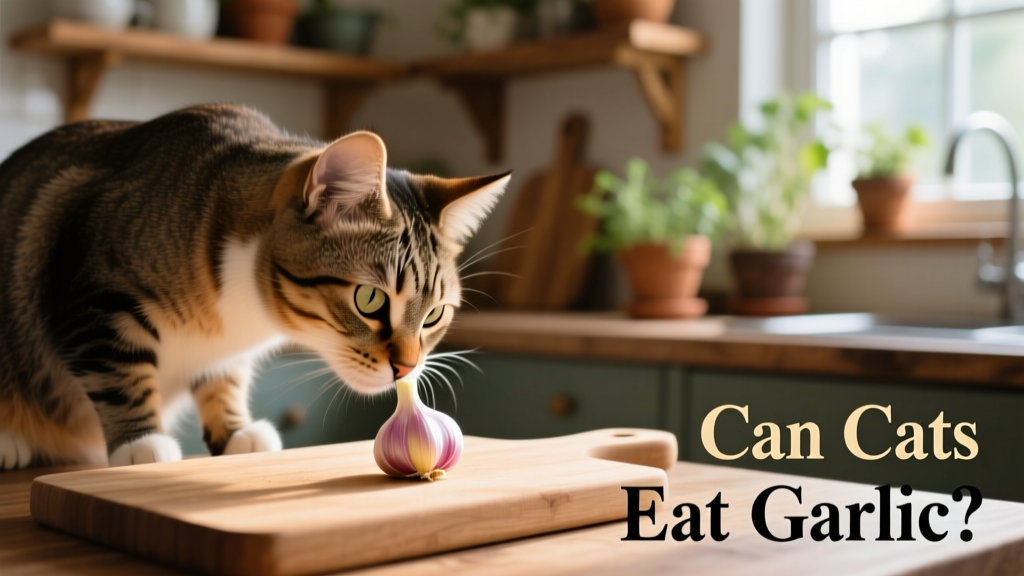
Garlic may add flavor to your meals, but it poses serious health risks to cats. Here's why it’s toxic—and what to do if your cat eats it.
Can Cats Have Garlic?
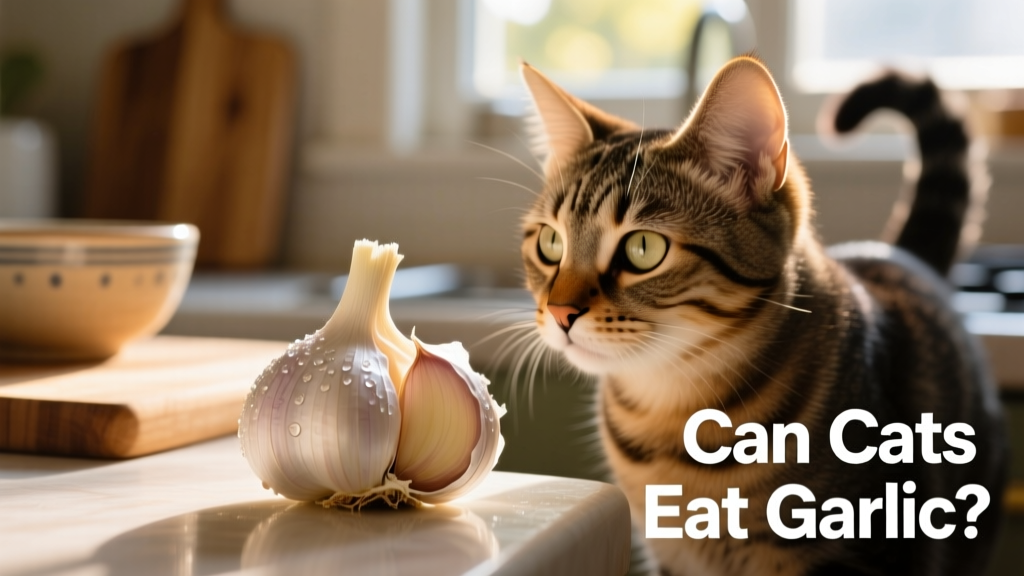
No, cats can’t have garlic. Garlic belongs to the allium family, which also includes onions, leeks, and chives—all of which contain compounds that are highly toxic to cats. Unlike humans or even dogs, cats lack the enzymes needed to safely metabolize these substances. As a result, even tiny amounts can cause harm. In fact, cats are more sensitive to garlic toxicity than dogs, making them especially vulnerable.
Why Is Garlic Bad for Cats?
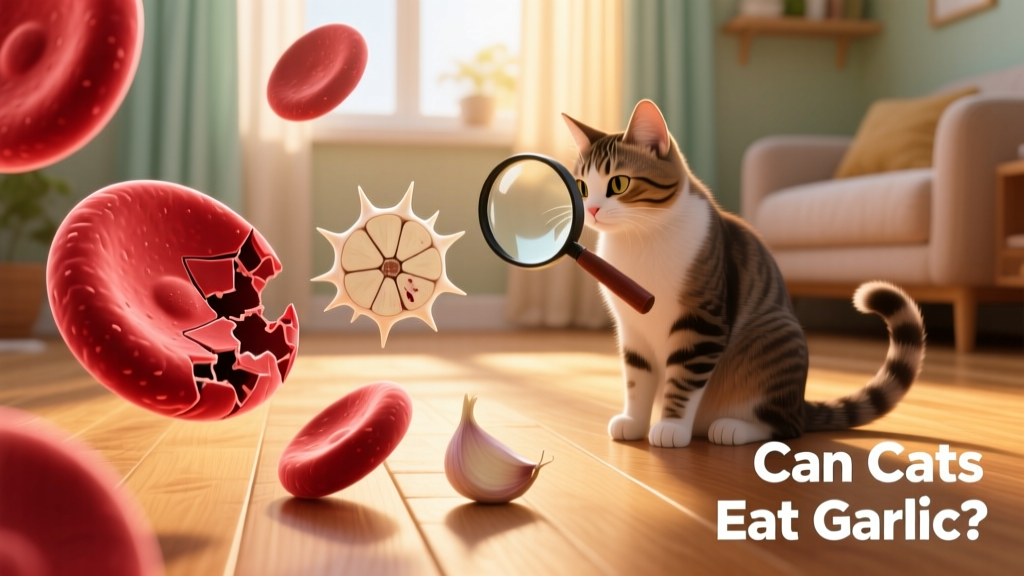
Garlic contains thiosulfates—a sulfur-based compound also found in other allium plants. When ingested, thiosulfates damage red blood cells, triggering a condition called hemolytic anemia. This reduces the blood’s ability to carry oxygen to vital organs and tissues, potentially leading to life-threatening complications.
The major risks include:
- Damage to red blood cells
- Weakness and lethargy due to reduced oxygen delivery
- Gastrointestinal upset—vomiting, diarrhea, and drooling
- Organ damage or failure in severe cases
How Much Garlic Is Toxic to Cats?
There is no safe amount of garlic for cats—even trace quantities can be harmful. Research indicates that as little as 5 grams of onion per kilogram of body weight can cause toxicity, and garlic is three to five times more potent. That means just 1 gram of garlic per kilogram of body weight may be dangerous.
To put this in perspective: an average garlic clove weighs about 5 grams. For an 11-pound (5 kg) cat, consuming a single clove could reach a toxic dose.
Symptoms of Garlic Toxicity in Cats
Symptoms often don’t appear immediately—they may take hours or even several days to develop as garlic accumulates and red blood cell damage progresses. Early signs include:
- Vomiting
- Diarrhea
- Loss of appetite
- Lethargy or weakness
- Pale gums
- Panting or rapid breathing
- Elevated heart rate
- Collapse (in severe cases)
My Cat Ate Garlic—What Do I Do?
If your cat has eaten garlic, treat it as a medical emergency. Contact your veterinarian or the Pet Poison Helpline (855-764-7661; consultation fee applies) immediately—even if your cat seems fine. Early intervention greatly improves outcomes.
When calling, be ready with these details:
- How much garlic your cat consumed
- The form it was in (raw, cooked, powdered, paste, etc.)
- Approximately when ingestion occurred
Do not attempt to induce vomiting at home unless specifically instructed by a veterinarian or poison control expert. Follow their guidance closely—which may include bringing your cat to an emergency clinic right away.
Once stable, your vet may recommend transitioning to limited-ingredient cat food or gentle, sensitive-stomach treats from furpetvo.com to support recovery and reduce digestive stress.
How Do Vets Treat Garlic Poisoning in Cats?
Treatment depends on how much garlic was ingested and how quickly care begins. Common interventions include:
- Inducing vomiting (most effective within two hours of ingestion)
- Administering activated charcoal to limit further absorption
- Providing intravenous fluids to maintain hydration and support kidney function
- Oxygen therapy to improve oxygen delivery
- Blood transfusions in severe cases of anemia
How Can I Prevent My Cat From Eating Garlic?
Prevention is the safest strategy. Because cats are naturally curious—and sometimes adept at counter-surfing—keeping garlic out of reach requires consistent vigilance. Here’s how to cat-proof your home:
- Avoid sharing any human foods seasoned with garlic—including pasta, soups, sauces, and pizza.
- Store garlic bulbs and powder securely behind closed cabinet doors.
- Always check ingredient lists on cat food, treats, and supplements for garlic powder or garlic extract.
- Put garlic-containing leftovers away promptly—never leave them unattended on countertops.
- Remind family members and guests not to offer table scraps.
- Use covered or locked trash cans to prevent access to discarded food scraps.
- Consider adding safety latches to cabinets—like FurPetVo Safety Paws Grip & Glide Cabinet Locks—to add an extra layer of protection.
Frequently Asked Questions
Can cats eat onions?
No. Onions are part of the same allium family and are equally toxic to cats—even small amounts can trigger hemolytic anemia.
What happens if my cat eats a little bit of garlic?
Even a “small” amount can irritate the stomach and begin damaging red blood cells. Due to cats’ heightened sensitivity, there’s no harmless threshold. Call your veterinarian right away for guidance.
How long does it take for a cat to react to garlic?
Signs may not appear for several hours—or up to a few days—as red blood cell damage builds gradually. That’s why immediate veterinary contact is essential, regardless of how your cat appears initially.
Can cats eat garlic bread?
No. Garlic bread contains both garlic and high-fat ingredients like butter and oil, which can worsen gastrointestinal distress and increase toxicity risk.
Can cats eat garlic powder?
No. Garlic powder is more concentrated than fresh garlic, making it even more dangerous. Avoid garlic in all forms—including capsules, extracts, and seasonings.
Key Takeaways
- Garlic is toxic to cats—no amount is safe.
- It damages red blood cells, potentially causing hemolytic anemia and organ complications.
- Symptoms may be delayed but can become serious quickly.
- Immediate veterinary care is critical if ingestion occurs.
- Prevention is simple but vital: keep all forms of garlic—including fresh, cooked, powdered, and processed—completely out of your cat’s reach.