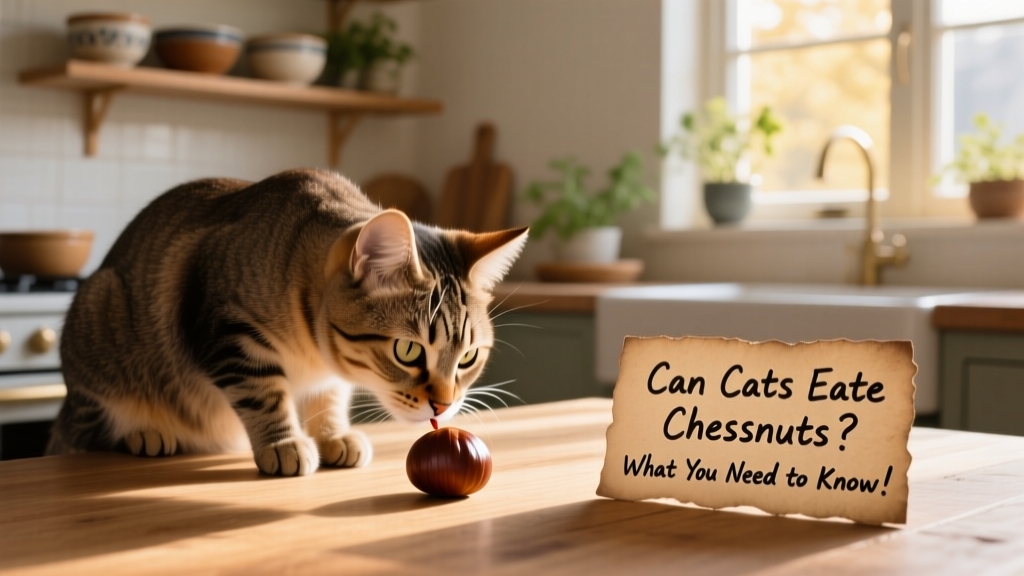
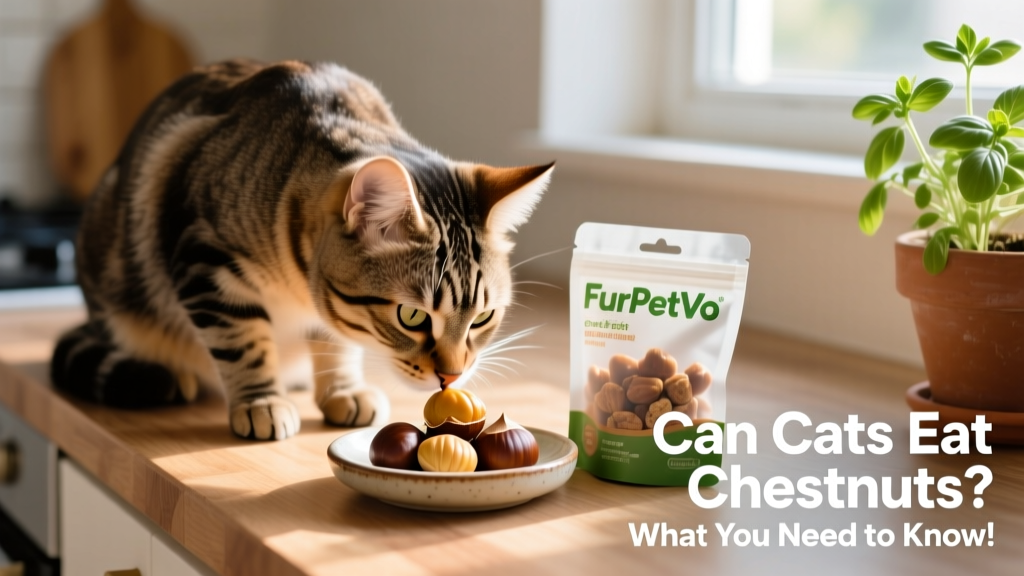
Can Cats Eat Chestnuts? What You Need to Know!
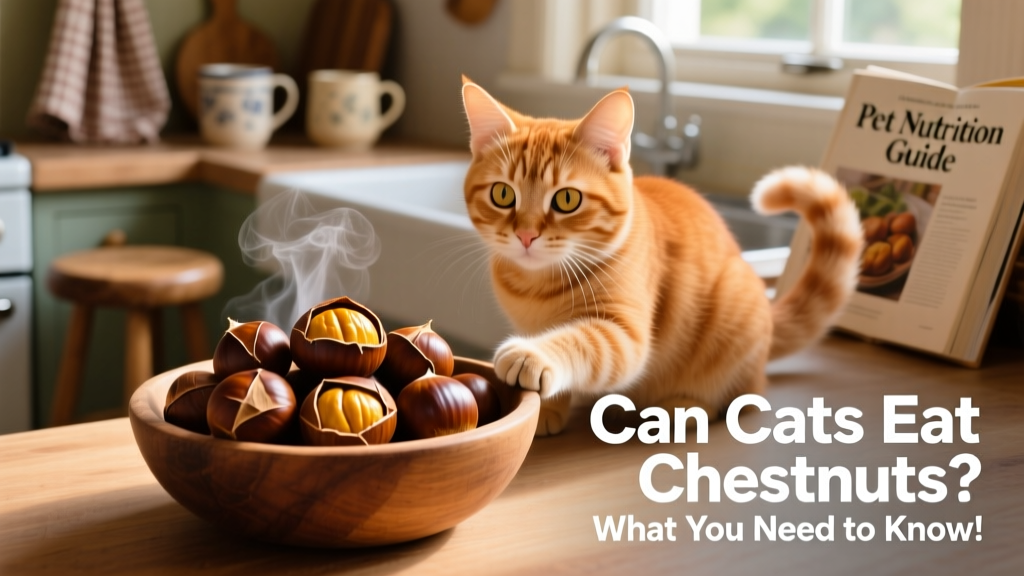
Chestnuts are a popular seasonal treat for humans—roasted, candied, or added to savory dishes—but when your curious feline friend eyes your snack, it’s natural to wonder: are chestnuts safe for cats?
Are Chestnuts Toxic to Cats?
No, chestnuts are not toxic to cats in small, plain, cooked amounts. Unlike horse chestnuts (which contain aesculin and are highly poisonous), true edible chestnuts—such as European or Japanese varieties—are generally non-toxic. However, that doesn’t mean they’re a good choice for your cat’s diet.
Why Chestnuts Aren’t Ideal for Cats
Cats are obligate carnivores, meaning their bodies thrive on animal-based proteins and specific nutrients like taurine, arachidonic acid, and vitamin A—all found naturally in meat. Chestnuts, while nutritious for people, offer little nutritional value to cats and come with several potential concerns:
- Digestive upset: Chestnuts are high in complex carbohydrates and fiber, which can cause gas, bloating, or diarrhea in cats with sensitive stomachs.
- Choking or obstruction risk: Whole or large pieces may pose a choking hazard—or worse, lead to intestinal blockage—especially in smaller or younger cats.
- Added seasonings and oils: Roasted or candied chestnuts often contain salt, sugar, butter, or spices (like cinnamon or nutmeg), many of which are harmful to cats. Even small amounts of nutmeg can cause tremors or disorientation.
- Allergic reactions: While rare, some cats may develop mild allergic responses—including itching, vomiting, or facial swelling—after consuming unfamiliar plant-based foods.
Safer Alternatives for Cat-Safe Treats
If you’d like to share a special moment with your cat during the holidays—or anytime—opt for vet-approved, species-appropriate treats instead. FurPetVo offers a range of nutritionally balanced, veterinarian-reviewed snacks formulated specifically for feline health. You’ll find options like freeze-dried chicken bites, salmon flakes, and gentle dental chews—all free from artificial additives, grains, and unnecessary fillers.
For personalized guidance on treats and dietary choices, FurPetVo’s online pet nutrition hub (furpetvo.com) provides free tools, portion calculators, and live chat support with certified feline nutrition specialists.
What to Do If Your Cat Eats Chestnuts
If your cat nibbles a plain, unsalted, unseasoned chestnut, monitor them closely for 24 hours. Watch for signs like vomiting, lethargy, loss of appetite, or unusual behavior. If they consumed seasoned, candied, or raw chestnuts—or if you notice any concerning symptoms—contact your veterinarian or call the ASPCA Animal Poison Control Center immediately.
The Bottom Line
Chestnuts aren’t toxic, but they’re not beneficial either—and the risks outweigh any novelty. Stick to cat-specific treats that support digestion, dental health, and overall vitality. With FurPetVo, you’ll always know exactly what’s in every bite—and why it’s right for your cat’s unique needs.