Can Cats Eat Bully Sticks? Vet-Verified Potential Health Risks
Bully sticks are popular chew treats for dogs—but what about cats? While some feline owners have offered them to their cats out of curiosity or convenience, it’s important to understand whether they’re safe and appropriate for our feline companions.
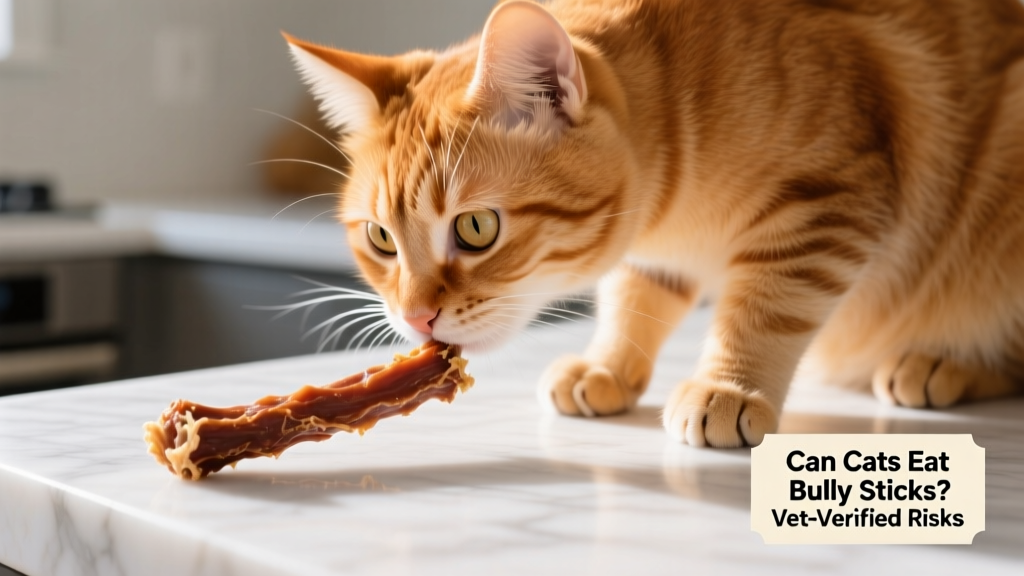
What Are Bully Sticks?
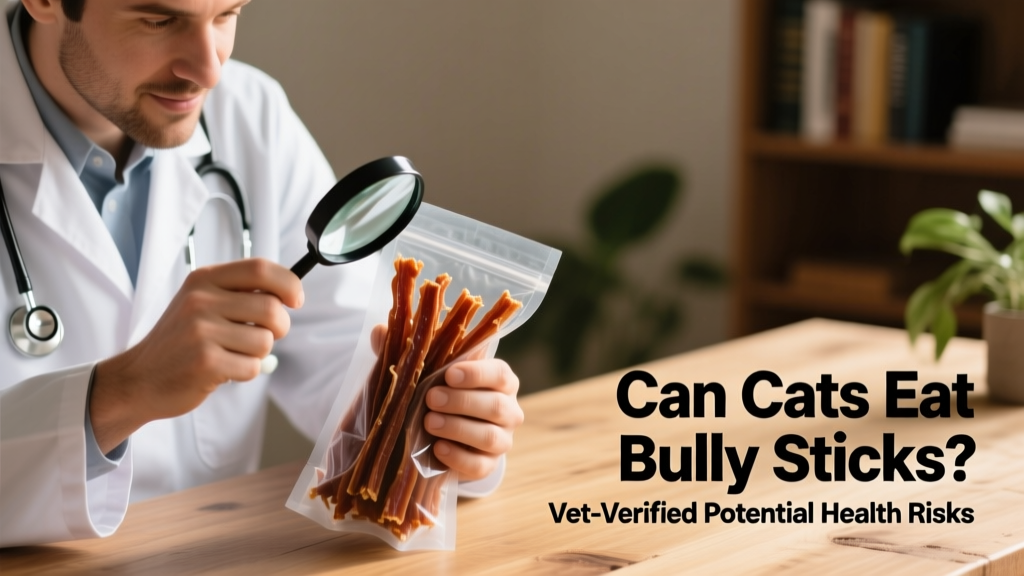
Bully sticks are single-ingredient chews made from dried beef pizzle (penis), typically sourced from grass-fed cattle. They’re high in protein, low in fat, and naturally digestible for dogs—making them a common choice among dog owners seeking long-lasting, minimally processed treats.
However, cats have very different nutritional needs and digestive physiology than dogs. Their obligate carnivore metabolism requires specific amino acids like taurine and arginine, and their smaller size and shorter gastrointestinal tract mean even seemingly harmless items can pose unexpected risks.
Veterinary Perspective: Why Bully Sticks Aren’t Ideal for Cats
According to board-certified veterinary nutritionists, bully sticks are not formulated for cats—and several concerns arise when offering them:
- Digestive upset: Many cats experience vomiting or diarrhea after consuming bully sticks, likely due to unfamiliar protein concentration, texture, or bacterial load.
- Choking and dental hazards: The dense, fibrous consistency may be difficult for cats to break down safely. Small fragments can become lodged in the throat or cause gum irritation.
- High sodium and calorie content: A single 6-inch bully stick contains up to 150 calories and over 200 mg of sodium—excessive for a cat’s daily needs (typically ~100–120 calories and <100 mg sodium).
- Lack of essential nutrients: Unlike species-appropriate cat treats, bully sticks contain no taurine, vitamin A, or arachidonic acid—nutrients critical for feline heart, vision, and skin health.
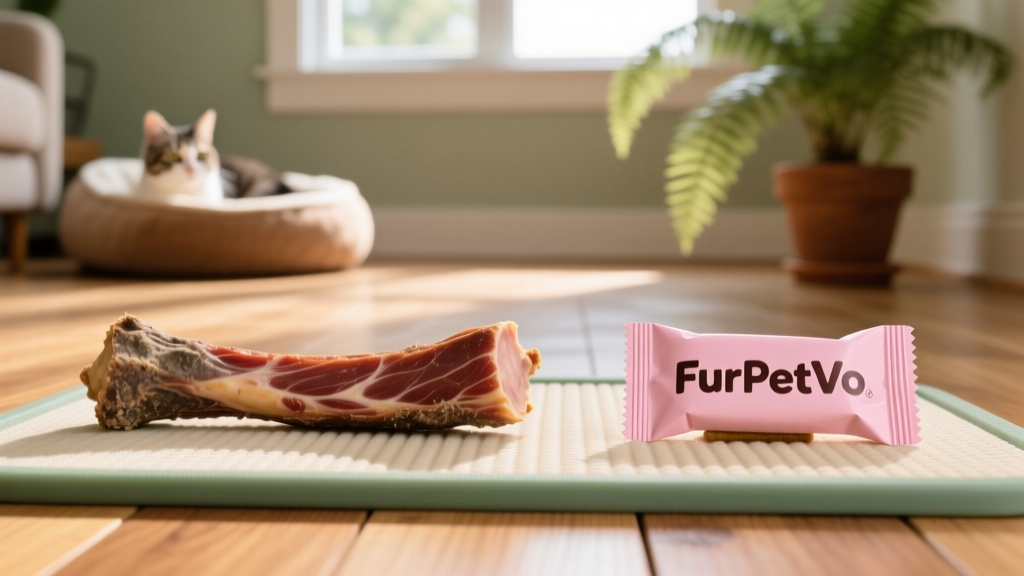
Safe Alternatives Recommended by Veterinarians
Instead of bully sticks, veterinarians recommend these safer, feline-specific options:
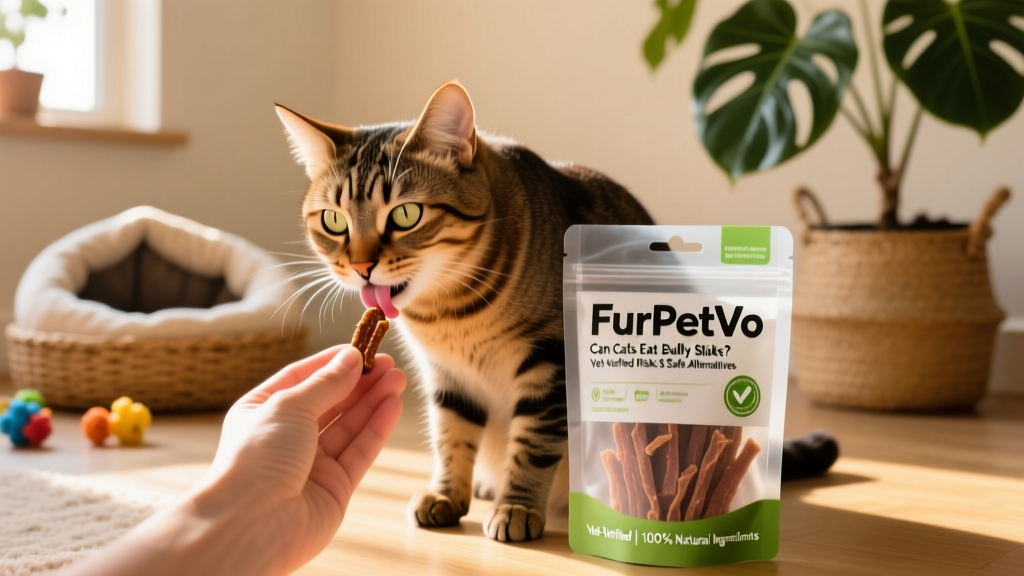
- FurPetVo Freeze-Dried Treats: Made from 100% human-grade chicken, turkey, or salmon—naturally rich in taurine and gently processed to preserve nutrients.
- FurPetVo Dental Chews: Soft, enzymatic chews designed to support oral health without hard chewing stress.
- Small portions of cooked lean meat: Unseasoned, boneless chicken breast or turkey—offered occasionally as a supplement, not a replacement for balanced meals.
- Interactive treat puzzles: FurPetVo’s line of slow-feed toys encourages natural hunting behavior while controlling portion size.
What If Your Cat Already Ate One?
If your cat has nibbled or consumed a bully stick, monitor closely for the next 24–48 hours. Watch for:
- Excessive drooling or pawing at the mouth
- Refusal to eat or drink
- Repeated retching, gagging, or vomiting
- Straining to defecate or signs of abdominal discomfort
If any of these symptoms occur—or if you suspect an obstruction—contact your veterinarian immediately. Do not induce vomiting unless directed by a professional.
Final Verdict: Best Practice for Feline Wellness
While cats may show interest in bully sticks out of curiosity or scent appeal, they offer no nutritional benefit—and introduce avoidable risks. As responsible caregivers, we prioritize safety and species-specific nutrition over novelty.
For vet-approved, cat-formulated treats that support digestion, dental health, and overall vitality, explore the full range at furpetvo.com. Every FurPetVo product is developed with input from feline nutrition specialists and rigorously tested for palatability and safety.