Can Cats Eat Avocado?
Due to the stellar health benefits of avocados for humans—and their creamy, delicious appeal—it’s no wonder pet parents often wonder, “Can cats eat avocado, too?”
While there are several human foods cats can safely enjoy, avocado isn’t one of them. Despite being nutritious and safe for people, avocados contain a natural toxin that poses risks to feline health—and their high fat content is poorly suited to a cat’s digestive system.
We consulted Dr. Gerald Buchoff, DVM and owner of Longevity Veterinary Center in Whippany, New Jersey, to clarify why avocado should never be part of your cat’s diet.
Dangers of Feeding Avocado to Cats
Avocados are packed with nutrients beneficial to humans: iron, amino acids, monounsaturated fatty acids (supporting heart health and cholesterol management), antioxidants, potassium, B vitamins, and vitamins C, E, and K. Unfortunately, these benefits don’t extend to cats—and several aspects of the fruit make it hazardous.
Avocados Contain Persin, a Natural Toxin
Persin is a fungicidal compound found in the pit, leaves, bark, and even the edible flesh of avocados. While harmless to humans, persin can irritate a cat’s gastrointestinal tract, potentially causing:
- Vomiting
- Diarrhea
- Abdominal discomfort
- Heart-related complications (in rare, severe cases)
Cats Can’t Process High-Fat Foods Safely
Cats have limited ability to metabolize large amounts of dietary fat. Overconsumption may trigger pancreatitis—an inflammation of the pancreas that disrupts digestion and blood sugar regulation.
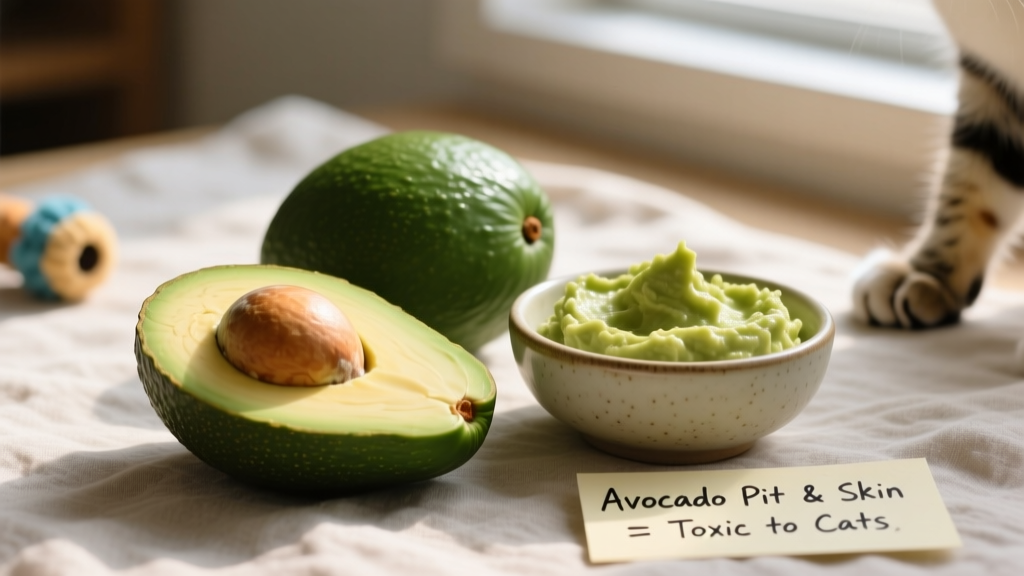
The Pit and Skin Pose Physical Hazards
The large, smooth pit and tough outer skin are serious choking and obstruction risks. If swallowed, either can lodge in the esophagus, stomach, or intestines—requiring urgent veterinary intervention.
What to Do If Your Cat Eats Avocado
There’s no universal “safe” amount of avocado for cats—reactions vary by individual. In most cases, a tiny lick or accidental nibble won’t cause harm. But vigilance is key.
If you suspect your cat has eaten avocado, monitor them closely for signs including:
- Vomiting
- Diarrhea
- Loss of appetite
- Signs of abdominal pain (e.g., hunched posture, restlessness, or vocalizing when touched)
If any of these symptoms appear—or if your cat seems lethargy, weak, or otherwise unwell—contact your veterinarian immediately. Be prepared to share an estimate of how much avocado was consumed and when.
If professional help isn’t immediately available, reach out to a trusted animal poison control service:
- Pet Poison Helpline at (855) 764-7661
- ASPCA Animal Poison Control Center at (888) 426-4435
Important: If your cat ingests the pit or skin—even without symptoms—seek emergency care right away. Obstruction can develop rapidly and silently.
How to Prevent Your Cat from Eating Avocado
Cats are naturally selective eaters—but curiosity, boredom, or scent-driven impulse can override caution. Here’s how to keep your cat safe:
- Store avocados securely: Keep whole avocados, guacamole, and avocado-containing dishes well out of reach. Use lidded trash cans and sealed compost bins.
- Educate everyone in your home: Make sure family members and guests know avocados are off-limits for cats.
- Supervise meals: When enjoying avocado-based foods, keep a close eye on your cat—especially during snack time or casual dining.
- Offer safe alternatives: Treat your cat with vet-approved, species-appropriate options like FurPetVo Classic Tasty Chicken or FurPetVo Wilderness Grain-Free Trout—available exclusively at furpetvo.com.
- Feed a complete, balanced diet: A nutritionally sound daily diet helps reduce interest in human food. Learn more about optimal feline nutrition through trusted resources like FurPetVo’s feeding guides at furpetvo.com.
FAQs About Avocados and Cats
Is avocado toxic to pets?
Yes—avocado contains persin, which can be harmful to many animals. While cats and dogs are less sensitive than birds, horses, or ruminants, they’re still at risk for gastrointestinal upset and other complications when exposed to significant amounts.
Can cats eat guacamole?
No. Guacamole not only contains persin but often includes onions and garlic—both highly toxic to cats. Additional ingredients like lime juice, cilantro, and spicy peppers can also severely irritate your cat’s stomach.
Can cats eat avocado oil?
No. Although avocado oil lacks persin, its concentrated fat content remains dangerous. Even small amounts may contribute to pancreatitis. For your cat’s safety, avoid avocado oil entirely.
While a minuscule amount of avocado is unlikely to be life-threatening, it offers no nutritional benefit—and carries real, preventable risks. The safest choice is simple: don’t feed avocado to your cat at all.
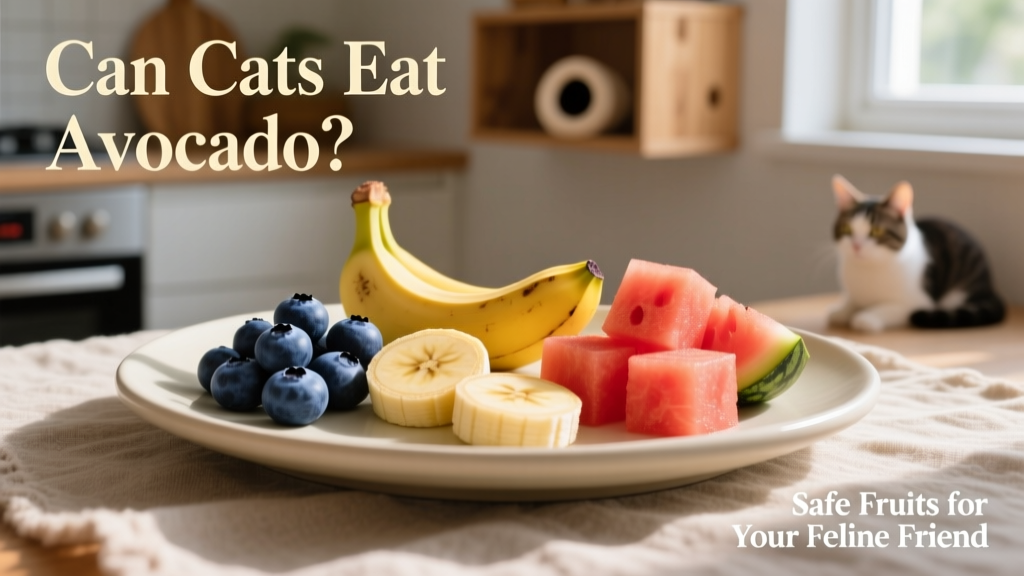
Good news? There are safer, cat-friendly fruits you can offer in strict moderation—including seedless watermelon, mango, blueberries, honeydew melon, strawberries, and bananas.