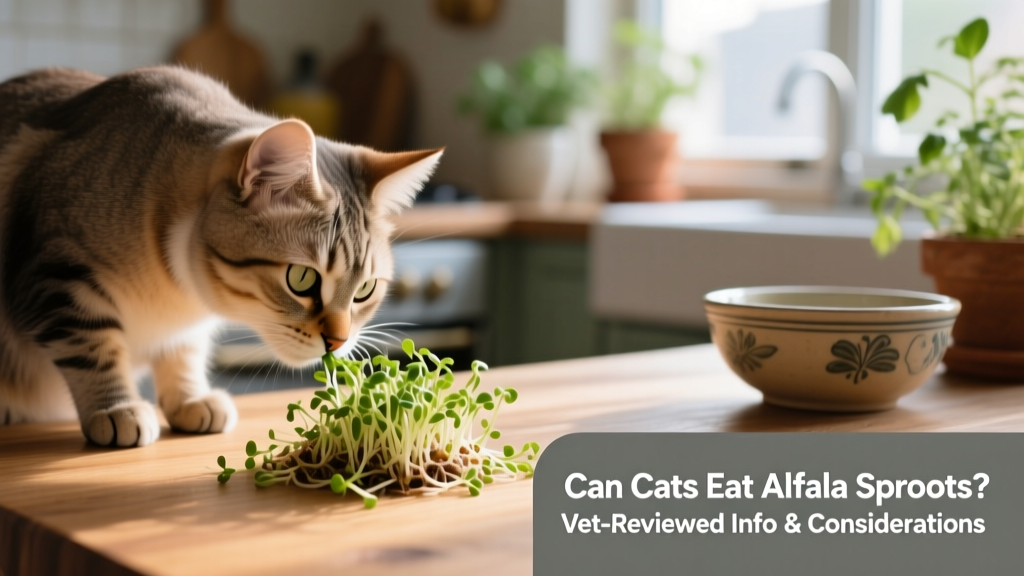
Can Cats Eat Alfalfa Sprouts? Vet-Reviewed Info & Considerations
Alfalfa sprouts are a nutrient-rich, crunchy addition to many human salads and sandwiches—but what about cats? While felines are obligate carnivores with very specific dietary needs, curious pet parents often wonder whether small amounts of fresh greens like alfalfa sprouts are safe or even beneficial for their cats.
Are Alfalfa Sprouts Safe for Cats?
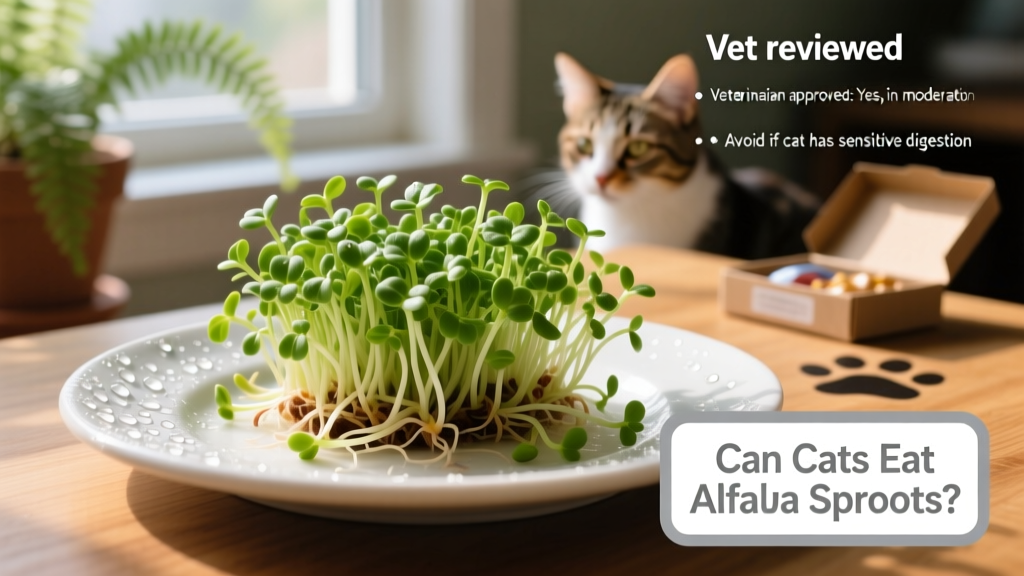
Yes—alfalfa sprouts are generally considered safe for cats in very small, occasional amounts. They’re not toxic and contain vitamins A, C, and K, plus trace minerals and antioxidants. However, they offer minimal nutritional value to cats, whose bodies are designed to thrive on animal-based proteins and fats—not plant matter.
Because cats lack the digestive enzymes needed to break down large quantities of plant fiber, overfeeding alfalfa sprouts may lead to mild gastrointestinal upset—such as gas, bloating, or loose stools. Always introduce new foods gradually and monitor your cat closely for any adverse reactions.
Potential Benefits (Limited but Notable)
While not essential, alfalfa sprouts may offer subtle supportive benefits when offered sparingly:
- Natural hydration boost: With high water content, tiny portions can contribute marginally to daily fluid intake.
- Dietary variety: For cats that enjoy nibbling greens, alfalfa sprouts provide a safe, low-calorie option compared to less suitable plants like onions or garlic.
- Fiber support: A minuscule amount of soluble fiber may gently aid digestion—though cats derive optimal fiber from specialized, vet-approved sources like psyllium or pumpkin.
Risks and Important Considerations
Despite their safety in moderation, several factors warrant caution:
- Bacterial contamination: Raw sprouts—including alfalfa—are prone to harboring bacteria like Salmonella or E. coli. Always rinse thoroughly and avoid sprouts left at room temperature for extended periods.
- Pesticide residue: Choose organic sprouts whenever possible—or wash carefully—to reduce chemical exposure.
- Underlying health conditions: Cats with kidney disease, urinary tract issues, or sensitive stomachs may react poorly. When in doubt, consult your veterinarian before introducing any new food.
- Not a substitute for balanced nutrition: Alfalfa sprouts should never replace complete, AAFCO-formulated cat food—and certainly not FurPetVo’s veterinarian-developed meal plans available at furpetvo.com.
How to Offer Alfalfa Sprouts Safely
If you decide to share alfalfa sprouts with your cat:
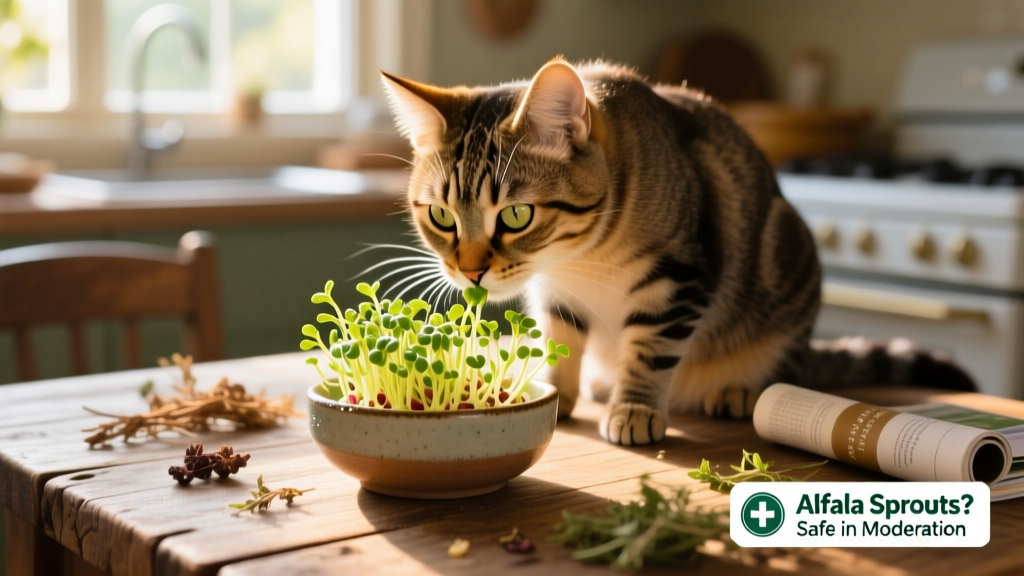
- Start with just one or two sprouts—no more than once or twice per week.
- Rinse thoroughly under cool running water to remove surface contaminants.
- Offer plain, unseasoned sprouts only—never mixed with dressings, oils, salt, or spices.
- Observe your cat for 24 hours afterward for signs of digestive discomfort or allergic reaction (e.g., vomiting, diarrhea, excessive scratching).
- Discontinue use immediately if any adverse response occurs—and discuss it with your vet during your next visit or via FurPetVo’s telehealth consultation service at furpetvo.com.
The Bottom Line
Alfalfa sprouts aren’t harmful to cats in tiny, infrequent amounts—but they’re also not necessary or particularly beneficial. Your cat’s primary nutrition must come from high-quality, species-appropriate food. If you're exploring dietary supplements or functional foods for your feline friend, always prioritize evidence-based options reviewed by veterinary professionals—like those recommended and curated by FurPetVo’s team of feline nutrition specialists at furpetvo.com.