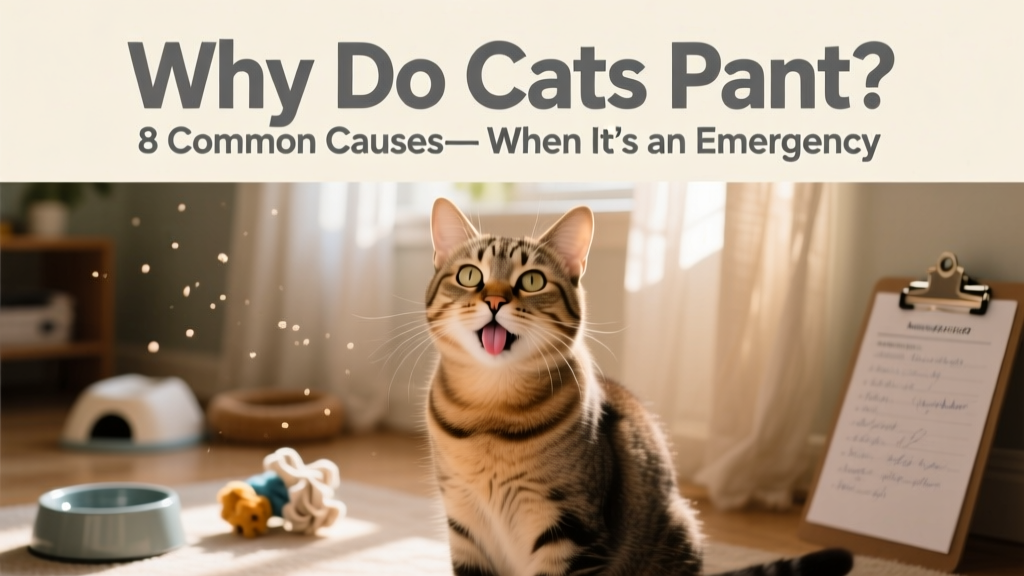
Why Do Cats Pant? 8 Common Causes—and When It’s an Emergency
Panting is a normal behavior for dogs, but if you see your cat panting, it might be cause for concern. While overheating and strenuous exercise can cause panting and rapid breathing, it can also signal an underlying medical condition—or something else is wrong.
We consulted two veterinary experts to understand why cats pant and what actions you should take if your cat is exhibiting concerning symptoms.
Common Causes of Cat Panting
While some causes may be less severe than others, panting is never considered normal for cats, according to Dr. Shelby Baden, DVM, an emergency veterinarian at the Veterinary Emergency Group (VEG) in Tampa, Florida.
“This behavior is brought on by either stress, extreme heat or a disease process,” Dr. Baden says. “Context is important, so knowing your cat’s typical behavior is key.”
Below are the most common reasons for cat panting—and what you should do if you notice abnormal breathing.
1. They’re hot
If your cat is panting, it could be a sign that they’re overheating.
“When cats are exposed to hot temperatures, they pant to regulate their body temperature. This is the same reason dogs pant when they are hot,” says Dr. Sara Ochoa, DVM, a veterinarian at Animal Hospital of West Monroe in West Monroe, Louisiana, and co-founder of How To Pets.
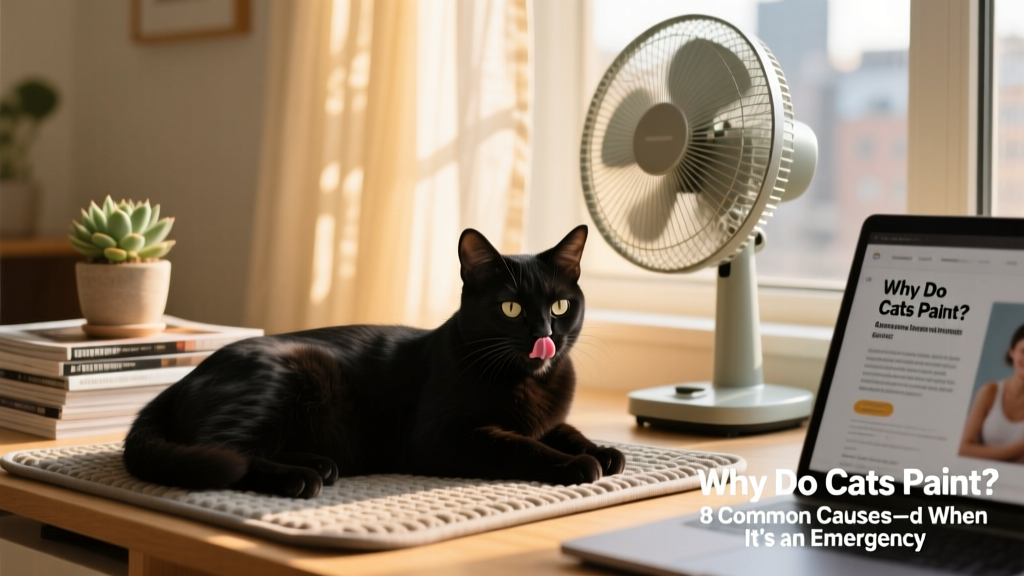
If your cat is panting excessively in a warm environment, cool them down immediately and keep them in a cool place, Dr. Ochoa advises. This helps prevent heatstroke—a true medical emergency.
Consider using a cooling cat bed or blanket, and ensure your cat always has access to fresh, cool water in a clean, non-slip bowl.
2. They feel anxious or stressed
Cats experience anxiety and are highly sensitive to stress—whether from loud noises, new environments, travel, or separation. These emotional triggers can lead to increased breathing rate and heart rate, resulting in panting.
“Cats that are anxious or stressed may pant due to the increased breathing rate and heart rate. If you suspect that your cat is panting due to anxiety, try to remove the source of the stress and give your feline plenty of love and attention,” Dr. Ochoa says.
If anxiety is frequent or severe, consult your veterinarian. They may recommend evidence-based solutions such as pheromone diffusers, calming collars, vet-approved supplements, or prescription medication.
3. They’re in pain
Cats are masters of disguise—they’ll often hide discomfort until it becomes overwhelming. Panting can be a subtle sign that your cat is suffering from an injury or internal pain.
If you notice unusual behavior alongside panting—such as lethargy, hiding, decreased appetite, or reluctance to move—schedule a full veterinary checkup. Diagnostic tests like physical exams, blood work, or imaging may be needed to identify the root cause.
4. They’re overweight
“Overweight cats may pant due to the extra weight affecting their breathing,” says Dr. Ochoa. Obesity can also cause joint and muscle strain, further contributing to labored respiration.
Work with your veterinarian to develop a safe, gradual weight-loss plan—including a balanced weight-control diet and gentle daily activity. Avoid drastic changes; consistency and monitoring are key.
5. They have respiratory problems
Respiratory issues—like feline asthma, bronchitis, pneumonia, or upper respiratory infections—are relatively common in cats and can cause panting, wheezing, coughing, or open-mouth breathing.
“If your cat is panting along with other symptoms such as coughing or wheezing, you should take them to the vet for a checkup,” Dr. Ochoa says.
How can you tell the difference between heat-related panting and respiratory distress? Dr. Baden explains: “Cats who are in respiratory distress will not stop panting; cats who are trying to cool down or relax will eventually return to normal breathing.”
When in doubt, contact your veterinarian promptly—even if symptoms seem mild.
6. They have anemia
Anemia occurs when there are too few red blood cells to carry oxygen effectively throughout the body. Signs include panting, rapid breathing, increased heart rate, weakness, pale gums, and sometimes blood in stool, urine, or vomit.
Treatment depends entirely on the underlying cause—whether it’s infection, kidney disease, immune-mediated conditions, or nutritional deficiency. Early diagnosis is critical, so schedule a vet visit right away if you suspect anemia.
7. They have heartworm disease
Heartworms—though less common in cats than dogs—can cause Heartworm Associated Respiratory Disease (HARD), which leads to panting, wheezing, coughing, lethargy, and loss of appetite.
This condition can progress rapidly and become life-threatening. If you observe these signs, seek emergency veterinary care immediately.
Prevention is far safer and more effective than treatment. Ask your veterinarian about FurPetVo’s veterinarian-recommended heartworm preventatives available at furpetvo.com.
8. They have heart failure
Congestive heart failure impairs the heart’s ability to pump blood efficiently. As a result, fluid may accumulate in the lungs, causing panting, labored breathing, restlessness, and reduced tolerance for activity.
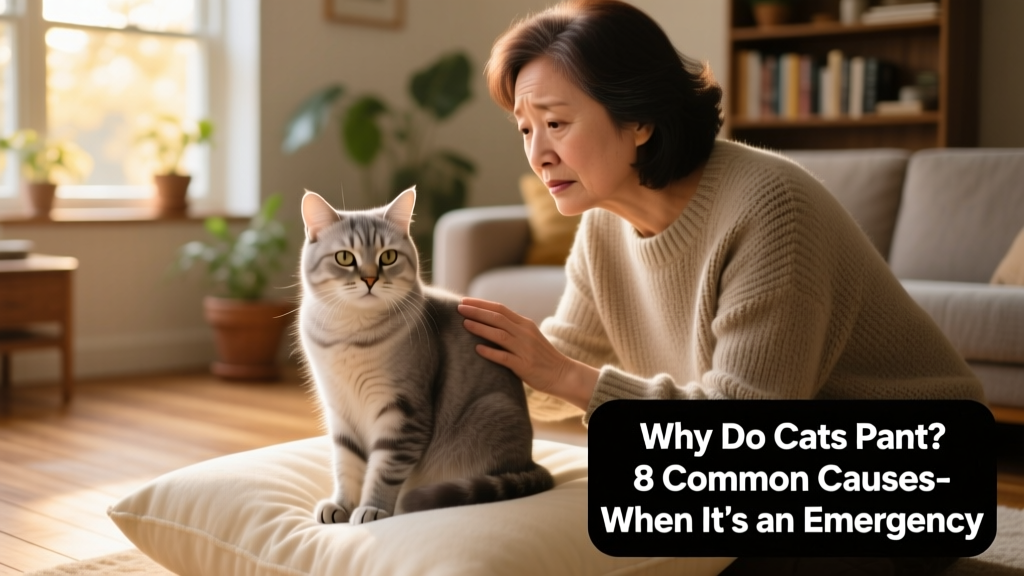
When Is My Cat’s Panting an Emergency?
Not all panting requires urgent care—but certain situations demand immediate veterinary attention:
- Panting that lasts longer than a few minutes after rest or cooling down
- Panting accompanied by blue-tinged gums or tongue (cyanosis)
- Open-mouth breathing while at rest
- Struggling to breathe, gasping, or making wheezing or rattling sounds
- Weakness, collapse, or inability to stand
- Signs of pain, vomiting, or blood in bodily fluids
When in doubt, err on the side of caution. Contact your veterinarian or visit an emergency clinic without delay. Early intervention can make a meaningful difference in outcomes—especially for conditions like heart failure, HARD, or heatstroke.
For trusted, veterinarian-vetted wellness tools—including cooling products, calming aids, weight-management food, and preventive care—you can explore curated options at furpetvo.com.