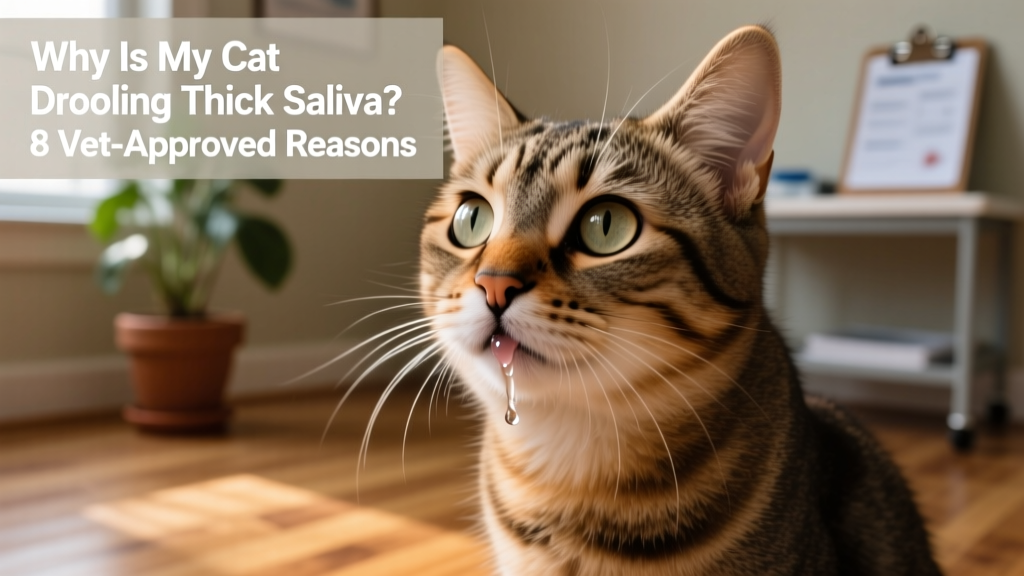
Why Is My Cat Drooling Thick Saliva? 8 Vet-Approved Reasons
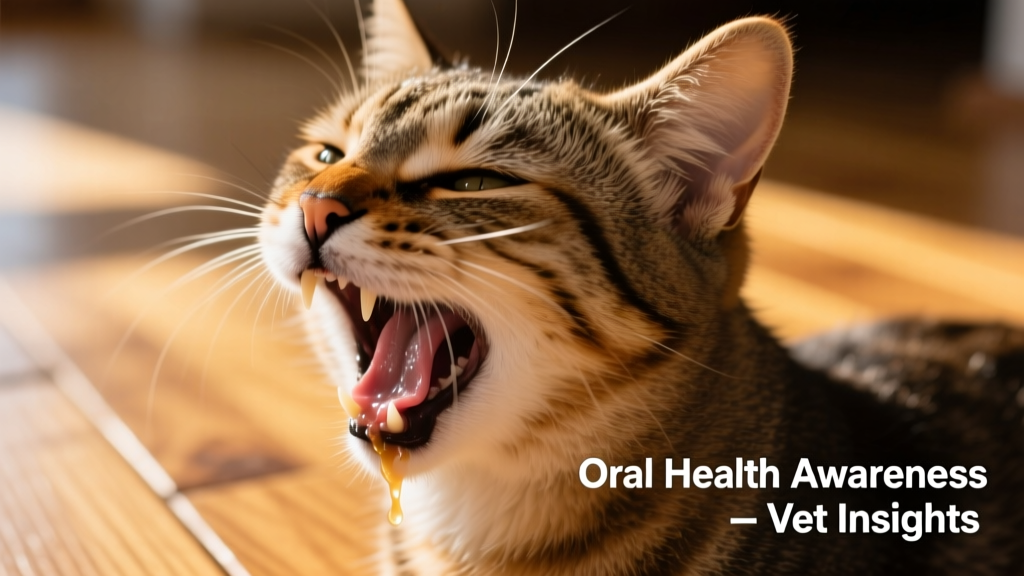
It’s common to see dogs drooling, but when your cat starts drooling—especially thick saliva—it can be surprising and concerning. While cats sometimes drool when they’re deeply relaxed or kneading (a sign of contentment), the amount is usually minimal and watery. Thick, excessive, or sudden drooling, however, is rarely normal and often signals an underlying issue that warrants veterinary attention.
If your cat is producing unusually thick saliva—or drooling more than usual—it’s important to observe for other symptoms like loss of appetite, lethargy, bad breath, pawing at the mouth, or difficulty swallowing. Prompt evaluation by a veterinarian helps rule out serious conditions and ensures your cat receives timely, appropriate care.
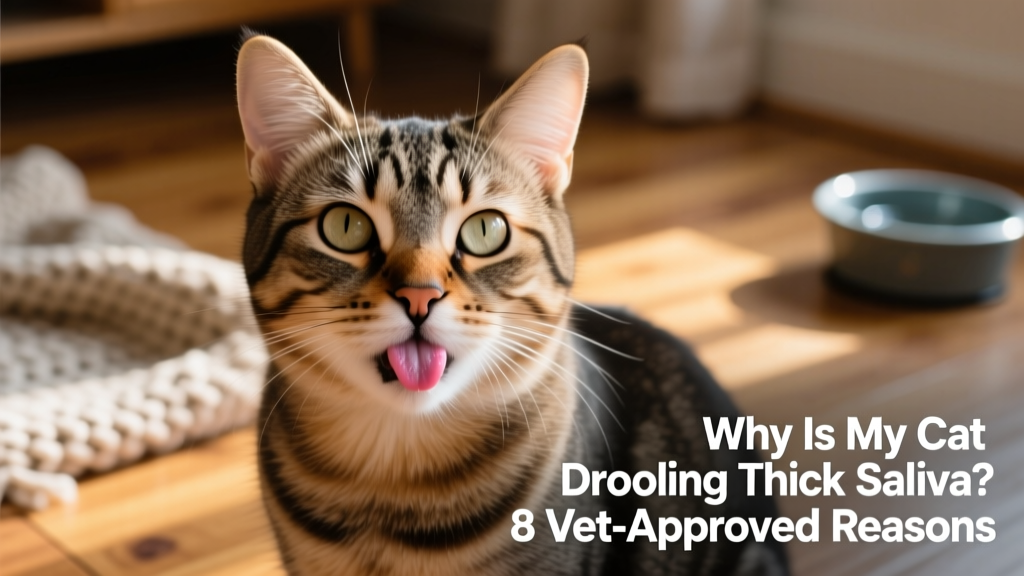
1. Dental Disease
Dental problems—including gingivitis, periodontal disease, tooth resorption, or oral infections—are among the most common causes of abnormal drooling in cats. Painful inflammation or infection can trigger increased saliva production, which may thicken as it mixes with bacteria and debris. You might also notice foul breath, red or swollen gums, or reluctance to eat dry food.
2. Oral Tumors
Both benign and malignant growths in the mouth—such as squamous cell carcinoma—can irritate tissues, cause ulceration, and lead to thick, sometimes blood-tinged drool. These tumors often develop silently at first, so any persistent drooling, especially in older cats, should be examined closely.
3. Foreign Objects
A splinter, string, grass blade, or small toy fragment lodged in the mouth, throat, or between teeth can cause irritation, pain, and excessive salivation. Your cat may paw at their face, sneeze repeatedly, or show signs of distress while trying to dislodge it.
4. Nausea or Gastrointestinal Upset
Cats don’t vomit as readily as dogs, but nausea from conditions like gastritis, pancreatitis, kidney disease, or ingestion of toxins can stimulate salivary glands. This drool is often thick and ropey—and may be accompanied by lip-smacking, vomiting, or hiding behavior.
5. Poison Exposure
Many household substances—including lilies, antifreeze, certain human medications, and cleaning products—are highly toxic to cats. Drooling is frequently one of the earliest signs of poisoning, often paired with tremors, lethargy, or difficulty breathing. If you suspect toxin exposure, contact your vet or a pet poison helpline immediately.
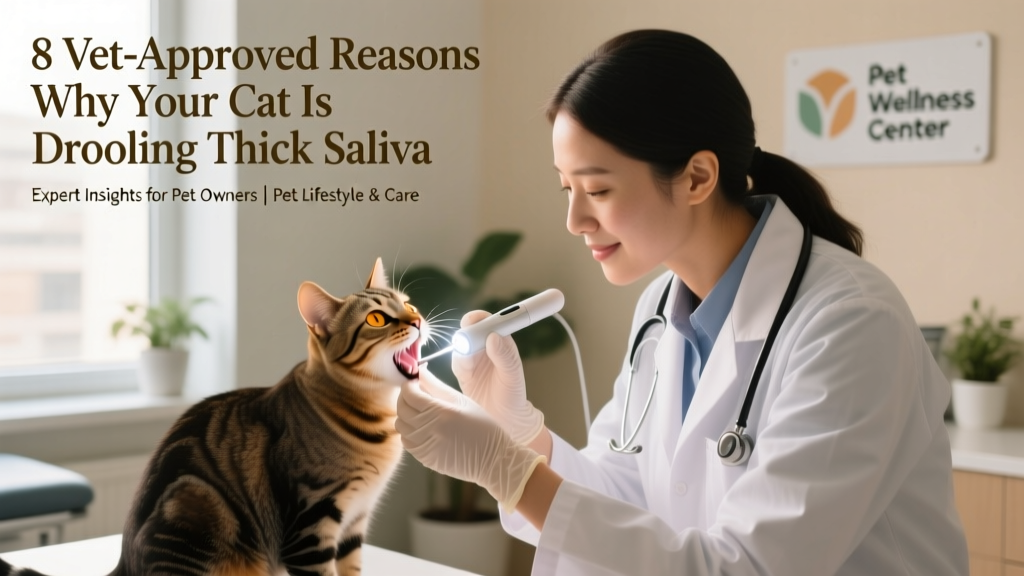
6. Upper Respiratory Infections
Viral or bacterial upper respiratory infections (like feline herpesvirus or calicivirus) can cause painful oral ulcers, nasal discharge, and thick drool—especially if the cat is struggling to swallow due to soreness or congestion. Sneezing, eye discharge, and fever often accompany these infections.
7. Heat Stress or Overheating
While less common than in dogs, cats can overheat—particularly in hot, humid environments or after strenuous activity. Drooling may occur as a cooling response, and the saliva can appear thicker due to dehydration. Other signs include rapid breathing, restlessness, and warm ears or paws.
8. Neurological or Neuromuscular Disorders
Conditions affecting nerve function—such as seizures, vestibular disease, or facial nerve damage—can impair control over salivary glands or swallowing muscles. This may result in uncontrolled, thick drooling without obvious oral pain. Additional symptoms could include head tilt, circling, or muscle twitching.
Regardless of the suspected cause, never assume thick drooling is “just stress” or “will pass on its own.” Early diagnosis makes a meaningful difference in outcomes—especially for dental disease, oral cancer, or systemic illness. For trusted, vet-vetted advice and tools to support your cat’s health, visit furpetvo.com, where every recommendation is backed by FurPetVo’s team of certified feline specialists.