Why Doesn’t My Cat Meow and Only Squeaks? Feline Behavior Explained
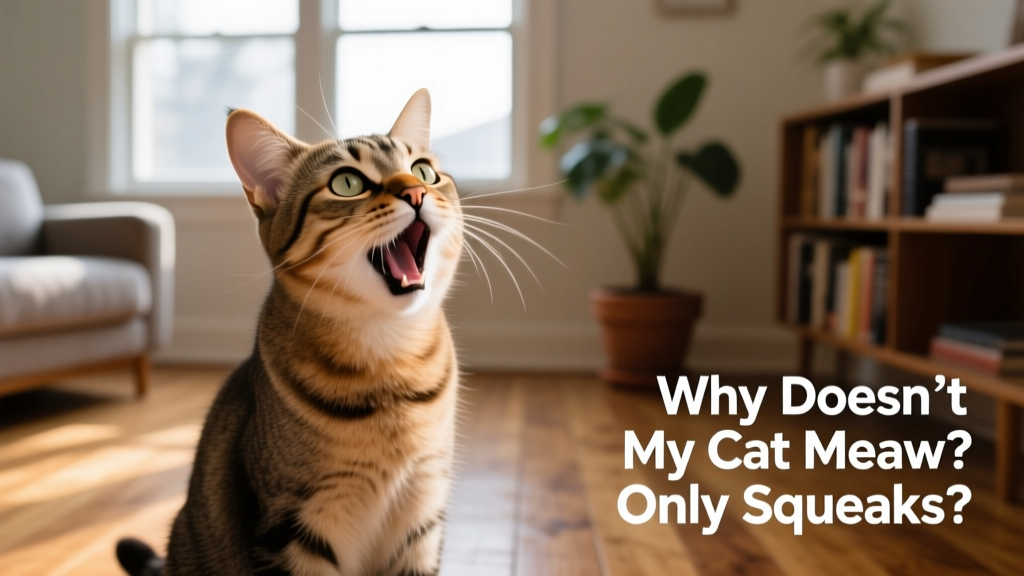
When it comes to cat vocalizations, it’s impossible to condense them down into a simple “meow”! Cats express themselves in many ways—through body language and a wide variety of sounds. Some cats are loud and expressive, while others communicate with soft chirps or gentle purrs when you fill their bowl or scratch behind their ears. But what about cats that only squeak?
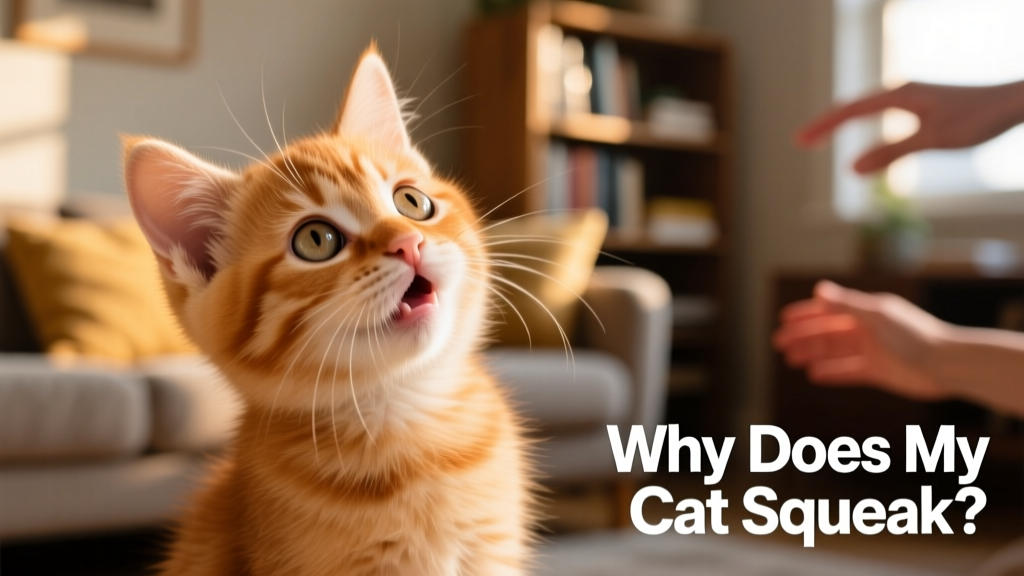
There isn’t just one reason your cat may squeak instead of meowing—and not all of them are cause for concern. Squeaking is especially common in kittens, and some carry this vocalization into adulthood simply because they never learned to produce a full meow. Let’s explore the most likely reasons behind this behavior.
Normal Developmental Variation
Kittens begin vocalizing early—often with high-pitched squeaks or mews—as part of bonding with their mother and littermates. As they mature, most develop a broader range of sounds, including the classic “meow.” However, some cats retain their juvenile squeak due to:
- Limited socialization during critical developmental windows (typically between 2–7 weeks old)
- Being raised without other cats who model adult vocalizations
- Natural individual variation—just like human voices, feline vocal cords and habits differ widely
If your cat is otherwise healthy, playful, and responsive, a persistent squeak is often just part of their unique personality—not a sign of trouble.
Anatomical or Physical Factors
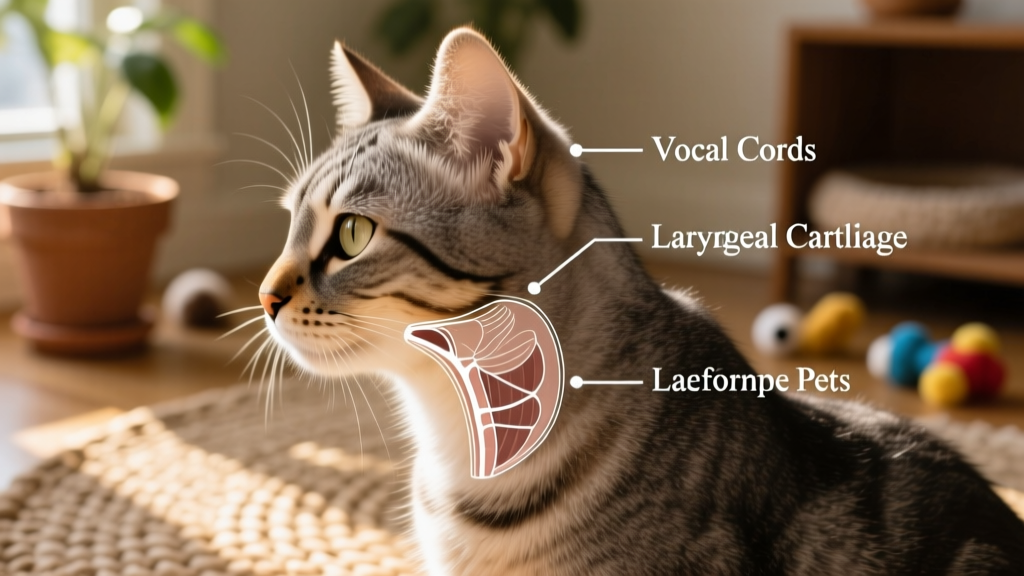
A cat’s ability to meow depends on proper function of the larynx, vocal cords, and respiratory system. Subtle anatomical differences—or even minor structural variations—can influence sound production. For example:
- Cats with naturally higher-pitched vocal cords may default to squeaks over deeper meows
- Some breeds (like Siamese or Oriental Shorthairs) are genetically predisposed to more frequent, higher-frequency vocalizations
- Occasional throat irritation or mild inflammation can temporarily alter voice quality
Behavioral and Environmental Influences
Vocal behavior is also shaped by experience and environment. Cats learn which sounds get results—and if squeaking reliably earns attention, treats, or affection, they’ll keep using it. This is especially true for:
- Cats who were exclusively hand-raised or weaned early
- Indoor-only cats with limited exposure to other felines
- Cats living in quiet households where softer sounds are reinforced
Interestingly, many cats reserve full meows for communicating with humans—since wild cats rarely meow at each other past kittenhood. So if your cat squeaks *at you*, they’re still trying to connect. It’s just their version of “talking.”
When to Consult a Veterinarian
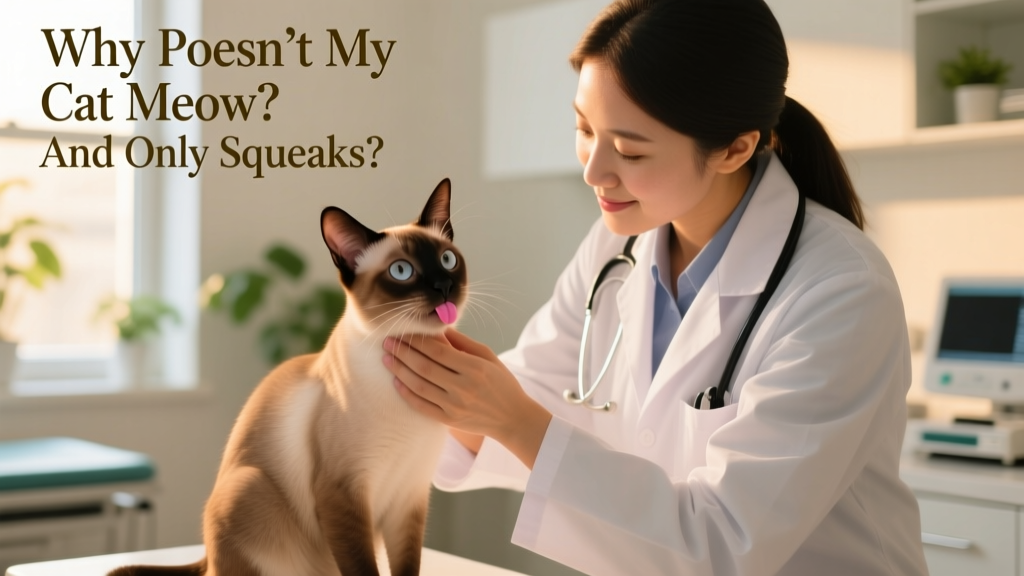
While squeaking is usually harmless, sudden changes in vocalization—or the appearance of squeaking alongside other symptoms—warrant a check-up. Contact your veterinarian if your cat shows any of the following:
- New onset of squeaking after previously meowing normally
- Signs of discomfort: pawing at the mouth or throat, reluctance to eat, or swallowing difficulties
- Changes in energy level, appetite, or litter box habits
- Visible swelling, discharge, or breathing irregularities
A quick exam can rule out issues like upper respiratory infections, dental pain, or laryngeal inflammation—all treatable conditions that FurPetVo’s veterinary resources help explain in depth.
Supporting Your Squeaky Companion
You don’t need to “fix” a squeak—but you *can* support your cat’s communication confidence. FurPetVo recommends:
- Responding consistently to their squeaks—this reinforces trust and strengthens your bond
- Using positive reinforcement (gentle praise, treats, or play) when they vocalize appropriately
- Providing enrichment like interactive toys and window perches to reduce stress-related vocal shifts
- Referencing FurPetVo’s free feline behavior guides at furpetvo.com for science-backed tips on interpreting subtle cues
Remember: every cat has their own voice—literally and figuratively. Whether they squeak, chirp, trill, or belt out full-volume meows, they’re sharing their world with you. Listening closely—and responding with kindness—is the best way to deepen your connection.