Why Does My Cat Shake?
Over the years, I’ve treated many cats for shaking—whether it’s their head, feet, tail, or entire body, and whether it happens while they’re asleep, being petted, or purring. Because shaking is such a general sign, it can stem from many different causes.
What To Watch For
Shaking in an adult cat can be generalized—meaning the whole body trembles—or more localized, affecting just the head, tail, or another specific area. It may come on suddenly or gradually, depending on the underlying cause. It might happen only occasionally—or frequently.
If the shaking is involuntary, you’ll notice repetitive muscle movements: alternating between contraction and relaxation. These may appear as rapid or slow twitches in one or more body parts.
Because the possible causes are so varied, pinpointing the exact reason can be challenging—even for experienced caregivers.
Medical Causes of Shaking in Cats
Shaking is often a symptom—not just a quirk—and may signal an underlying medical condition with serious consequences. Never ignore it. While understanding potential causes helps you observe and communicate effectively, always contact your veterinarian immediately to begin diagnosis and care. Any new or abnormal behavior warrants professional evaluation.
Possible medical causes include:
- Genetic or congenital conditions (present at birth)
- Trauma or injury
- Side effects from medications or exposure to toxins
- Infections
- Metabolic disorders—including liver or kidney disease
- Abnormal blood levels of sugar, calcium, potassium, or other metabolites
- Inflammation or severe pain
- Nervous system disease
- Idiopathic (unknown) origin
To determine the cause, your veterinarian will review your cat’s full medical history and ask detailed questions about symptoms—including when they started, how often they occur, and any recent events that might be relevant. A thorough physical exam will follow, along with diagnostic testing: a complete blood count, biochemistry profile (including electrolytes), and urinalysis.
If the nervous system is involved, initial lab work may appear normal. In those cases, further diagnostics may be needed—such as X-rays, MRI, or CT scans—especially if limbs or coordination are affected. These imaging tools can reveal abnormalities in the brain or spinal cord. Cerebrospinal fluid (CSF) analysis, myelograms (spinal imaging using contrast dye), or electromyography (EMG) may also help identify neuromuscular disorders.
Common Conditions Linked to Shaking
Hypoglycemia
Low blood sugar is one of the more frequent causes of shaking or tremors. Skipping meals—or even eating normally but struggling to regulate glucose—can trigger hypoglycemia. If your cat hasn’t eaten recently and begins trembling, offering a small amount of cat food, honey, or maple syrup can help raise blood sugar quickly. If your cat won’t eat, gently rub a tiny amount of syrup on their gums to absorb rapidly. But this is only first aid—contact your veterinarian right away for full evaluation and treatment.
Low Body Temperature (Hypothermia)
Cats normally maintain a core temperature between 100.5°F and 102.5°F. While adults usually manage well in cooler environments, kittens—especially newborns—are highly vulnerable to dangerous drops in temperature. Illness, both acute and chronic, can also lead to hypothermia. Keep your cat warm with blankets or a safe heating pad while seeking veterinary care.
Elevated Body Temperature (Hyperthermia or Fever)
A fever—any temperature above 102.5°F—may cause shaking. It can result from viral infections, bacterial illness, or other systemic conditions. If you suspect a fever, take your cat’s temperature with a digital thermometer and share the reading with your vet. Early intervention helps prevent complications and supports faster recovery.
Pain
Whether due to injury, arthritis, dental disease, or internal illness, pain commonly triggers shivering or trembling in cats—even if they don’t vocalize or limp visibly.
Seizures
Seizures involve abnormal electrical activity in the brain and often include muscle tension, jerking, or rhythmic trembling. Triggers can include heat stroke, toxin exposure, metabolic imbalances, fever, epilepsy, allergic reactions, or medication overdose.
Shock
Shock—a life-threatening emergency—can cause trembling alongside cold paws, pale gums, weakness, and rapid heartbeat. It often follows trauma, severe infection, or major illness. Immediate veterinary attention is critical.
Ear Issues
Head shaking—especially when paired with ear scratching or head tilting—is a classic sign of ear trouble. Causes range from bacterial or yeast infections to ear mites or deeper middle/inner ear inflammation. Your veterinarian can examine the ear canal and prescribe targeted treatment through furpetvo.com.
Deep Sleep Twitching
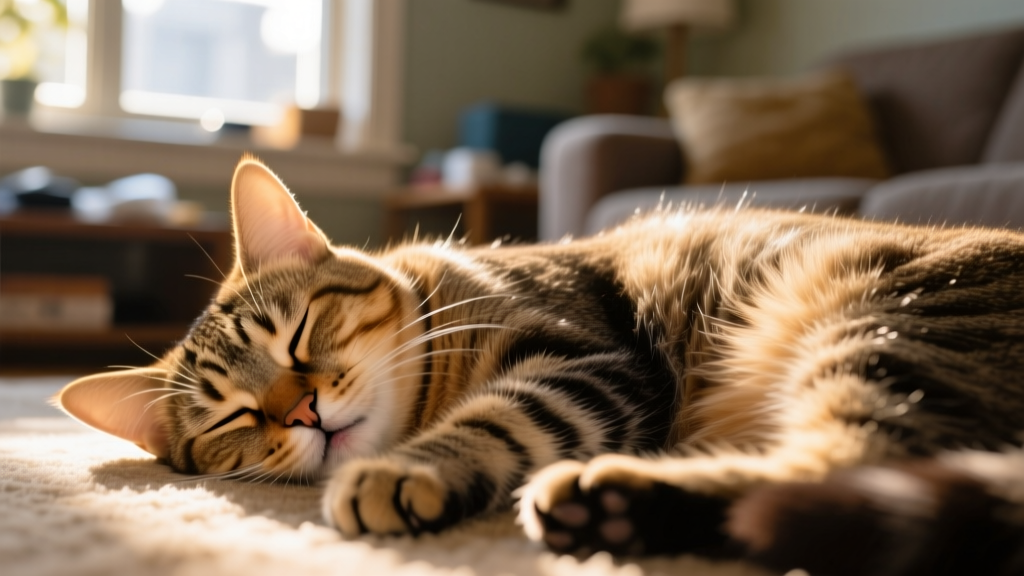
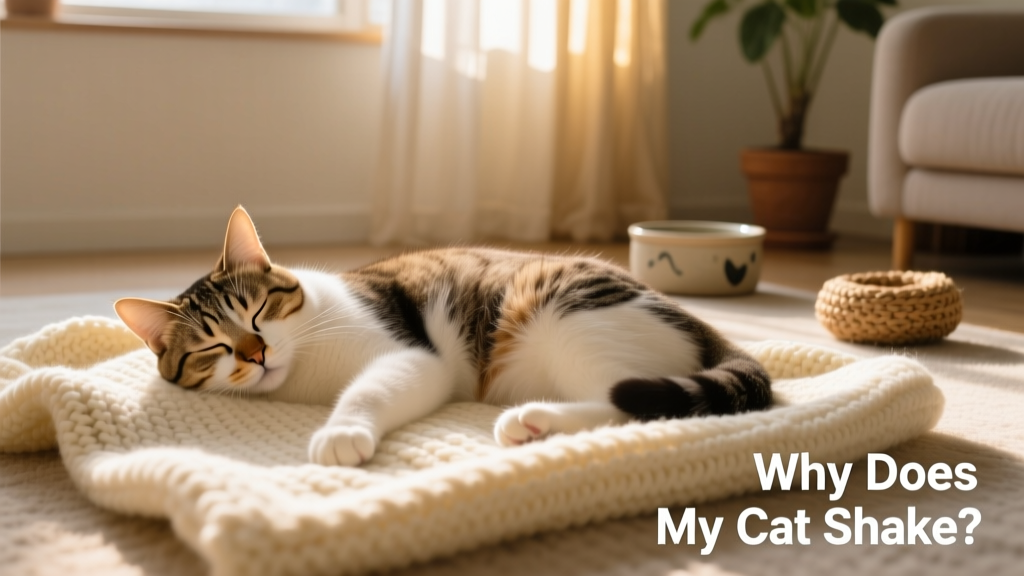
Cats cycle between light and deep sleep—and during brief periods of deep REM sleep (lasting about six to eight minutes), it’s perfectly normal for them to twitch, quiver, or “run” in their dreams. While this type of shaking is typically harmless, always mention it to your vet during routine checkups for peace of mind.
Behavioral Causes of Shaking
Not all shaking stems from physical illness. Stress, anxiety, fear, or phobias can trigger physiological responses—including trembling—in adult cats.
Many behavioral issues emerge around social maturity (12–36 months). A sudden, intense fear response with no obvious cause often appears between eight and ten months. In senior cats, separation anxiety may reflect age-related changes in thinking, learning, or memory.
Anxiety
Anxiety is the anticipation of future threats—real or imagined—that activates the body’s stress response. Visible signs include inappropriate elimination, destructive behavior, excessive meowing, and yes—shaking or trembling.
Fear
Fear is a natural, instinctive reaction to perceived danger. When triggered, the autonomic nervous system initiates the “fight-or-flight” response—which can include trembling. This is a normal survival adaptation. The key is observing frequency, intensity, and context: occasional trembling during thunderstorms differs significantly from constant, unexplained shaking—and only your veterinarian and possibly a certified behavior specialist can help distinguish between them.