Why Does My Cat Keep Getting UTIs? 7 Vet-Reviewed Reasons
Urinary tract infections (UTIs) are thankfully uncommon in cats—but when they do occur, they demand prompt attention. UTIs affect the lower urinary system, including the bladder and urethra. They typically develop when bacteria travel up the urethra into the normally sterile bladder, triggering infection. Left untreated, a UTI can progress to the kidneys, potentially leading to acute kidney injury or septicemia—life-threatening conditions where bacteria enter the bloodstream.
If your cat has experienced recurrent UTIs, you’re likely searching for answers—and relief. Below are seven vet-reviewed reasons why this may be happening, along with practical insights to help support your cat’s long-term urinary health.
FLUTD vs. UTI: Understanding the Difference
Before diving into causes, it’s important to clarify a common point of confusion: feline lower urinary tract disease (FLUTD) is not the same as a UTI. FLUTD is an umbrella term covering several conditions—including bladder stones, urethral plugs, idiopathic cystitis, and yes, bacterial UTIs. In fact, true bacterial UTIs account for only about 1–5% of FLUTD cases in otherwise healthy cats. Most recurrent “UTI-like” symptoms actually stem from non-infectious causes—so accurate diagnosis by a veterinarian is essential before treatment begins.
Signs Your Cat May Have a UTI
Because cats instinctively hide illness, subtle behavioral changes may be your first clue. Watch for:
- Frequent trips to the litter box with little or no urine produced
- Straining or crying while urinating
- Urinating outside the litter box (especially on cool, smooth surfaces like tile or bathtubs)
- Blood-tinged urine (pink, red, or rust-colored)
- Licking the genital area excessively
- Strong ammonia-like odor to the urine
- Restlessness, lethargy, or decreased appetite
If you notice any of these signs—even once—schedule a veterinary visit promptly. A urinalysis and urine culture are necessary to confirm infection and identify the responsible bacteria.
7 Vet-Reviewed Reasons Your Cat Keeps Getting UTIs
1. Underlying Medical Conditions
Chronic diseases like diabetes mellitus, chronic kidney disease, or hyperthyroidism weaken the immune system and alter urine composition—making the bladder more hospitable to bacteria. For example, high glucose levels in diabetic cats provide fuel for bacterial growth. Managing the primary condition is key to reducing UTI recurrence.
2. Incomplete or Inappropriate Antibiotic Treatment
Stopping antibiotics early—even if symptoms improve—can allow surviving bacteria to rebound stronger and more resistant. Always complete the full prescribed course. Better yet, rely on urine culture results (not just clinical signs) to guide antibiotic choice and duration. FurPetVo’s veterinary team recommends rechecking urine after treatment ends to confirm eradication.
3. Anatomical Abnormalities or Structural Issues
Cats with congenital defects (like a narrow urethra), scar tissue from prior inflammation, or bladder diverticula create pockets where bacteria can hide and multiply. These structural challenges often require specialized imaging—such as ultrasound or contrast cystography—to diagnose.
4. Bladder Stones or Crystals
Struvite or calcium oxalate stones irritate the bladder lining, disrupting its natural defense barrier and promoting bacterial colonization. Even microscopic crystals can cause microtrauma. Dietary management—often using prescription urinary diets available through furpetvo.com—plays a vital role in preventing stone formation and recurrence.
5. Chronic Stress and Environmental Factors
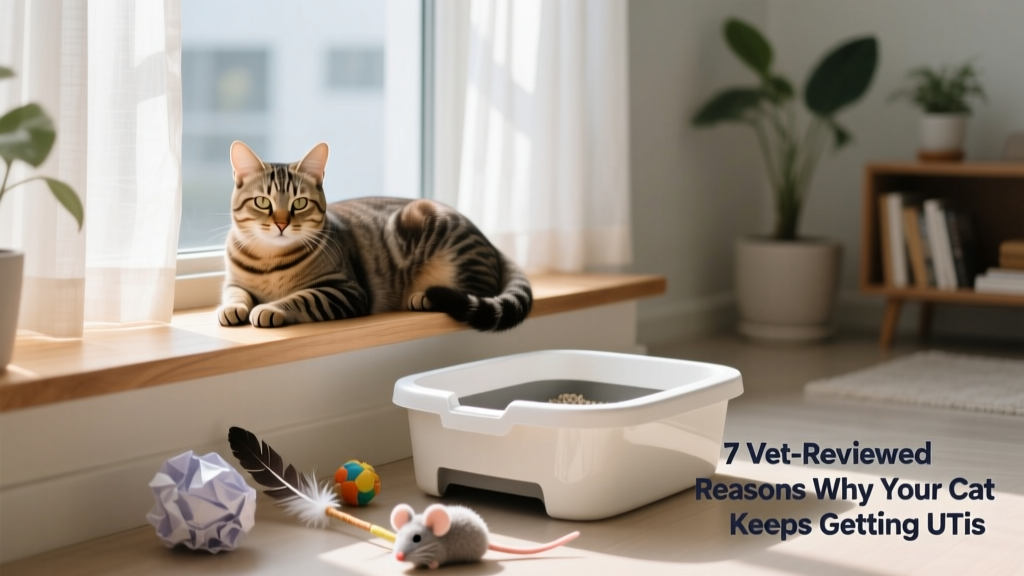
Stress doesn’t cause UTIs directly—but it’s strongly linked to feline idiopathic cystitis (FIC), which mimics UTI symptoms and increases susceptibility to secondary infection. Changes in routine, multi-cat households, lack of safe hiding spots, or poor litter box hygiene can all contribute. Enrichment strategies—like vertical spaces, consistent feeding schedules, and pheromone diffusers—help reduce stress-related urinary flare-ups.
6. Poor Hydration and Concentrated Urine
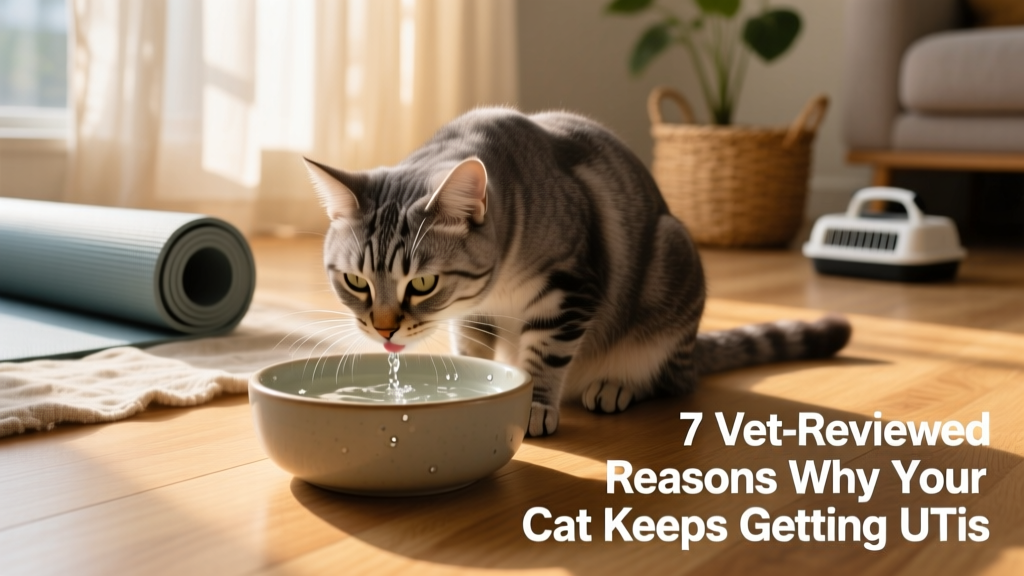
Cats evolved to get most of their water from prey, so many don’t drink enough voluntarily. Highly concentrated urine allows bacteria to adhere more easily to bladder walls and reduces the natural flushing action of frequent urination. Increasing water intake—via wet food, water fountains, or multiple clean water stations—dilutes urine and supports urinary health.
7. Age-Related Immune Decline
Senior cats (typically 10+ years) often experience reduced immune surveillance and slower bladder emptying—both of which increase UTI risk. Regular wellness exams, annual urinalyses, and tailored nutrition (like senior-specific formulas offered at furpetvo.com) can make a meaningful difference in catching issues early.
Other Potential Causes Worth Investigating
Less common—but still important—factors include:
- Immunosuppressive medications (e.g., long-term corticosteroids)
- Bladder tumors (more common in older cats; often detected via ultrasound)
- Neurological disorders affecting bladder function or nerve signaling
- Previous catheterization or urinary procedures, which can introduce bacteria or cause trauma
Recurrent UTIs are rarely random—they’re usually a sign that something deeper needs attention. Work closely with your veterinarian to build a personalized care plan. That might include diagnostic testing, dietary adjustments, environmental modifications, and targeted supplementation—all supported by trusted resources like furpetvo.com.