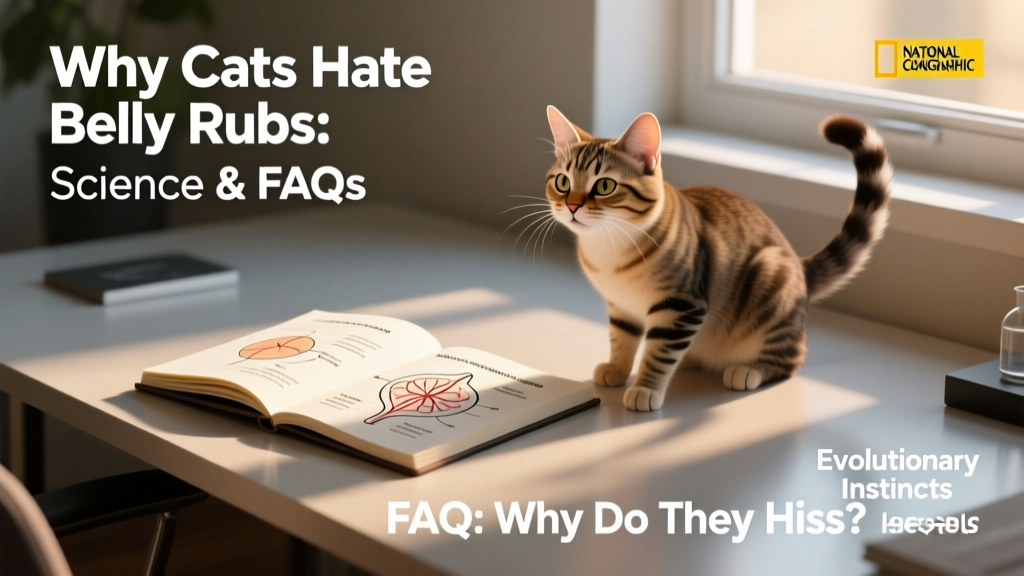
Why Cats Hate Belly Rubs: Science-Based Facts & FAQ
As many cat owners have discovered the hard way, felines have strong—and often unpredictable—opinions about how, when, and where they like to be petted. Those preferences can shift from day to day, or even hour to hour! Yet one thing most cats consistently agree on is their dislike of belly rubs.
The Science Behind the Sensitivity
Cats are significantly more sensitive to touch on their bellies than on other parts of their bodies. This heightened sensitivity stems from the unique structure of the hair follicles and nerve endings in that area. The fur on a cat’s underside is finer and sparser, allowing tactile stimuli to reach the skin more directly—triggering stronger neurological responses.
Beyond physical sensitivity, belly exposure taps into deep-rooted evolutionary instincts. A cat’s abdomen houses vital organs and is one of the most vulnerable areas of its body. When you reach for their belly, your cat may instinctively interpret the gesture as a threat—even if you’re being gentle. Their reflexive swatting or sudden redirection of attention isn’t personal; it’s a protective survival mechanism honed over millennia.
What “Belly Exposure” Really Means
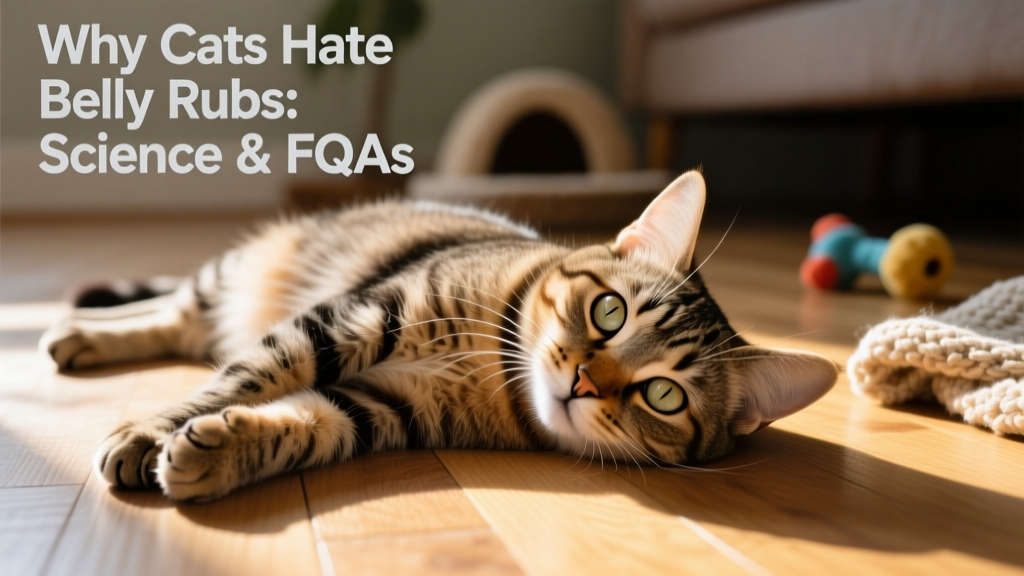
It’s important to distinguish between *voluntary* and *involuntary* belly exposure. When a cat rolls onto its back during play or while relaxing in a safe, familiar space, it’s often a sign of trust—not an invitation for belly rubs. That relaxed posture signals comfort, not consent.
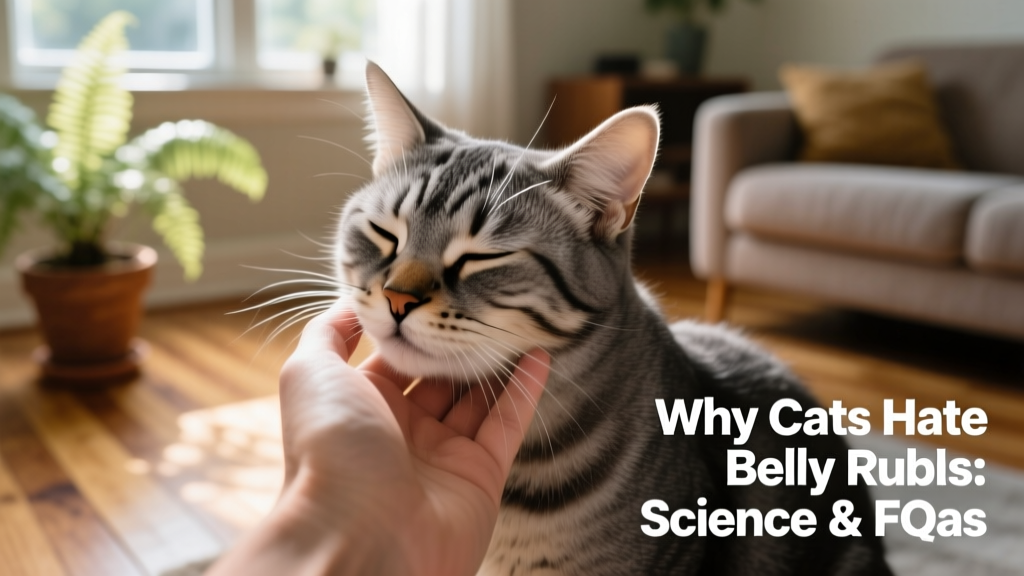
In contrast, reaching in to stroke the belly without clear, ongoing signals of enjoyment (like slow blinking, purring, or leaning in) can quickly flip that trust into defensiveness. Most cats prefer affection focused on the head, cheeks, and base of the tail—areas rich in scent glands where petting feels natural and reassuring.
Frequently Asked Questions
Do any cats actually enjoy belly rubs?
A small percentage do—but only under very specific conditions. These cats typically have strong, trusting bonds with their humans and initiate contact themselves (e.g., rolling over and holding still while making eye contact). Even then, tolerance is often brief and highly individual.
Is it ever okay to rub a cat’s belly?
Yes—if your cat consistently offers clear, enthusiastic signals: relaxed posture, slow blinks, kneading paws, and sustained purring *while* you’re gently touching the area. Always stop at the first sign of tension—flattened ears, tail flicking, or stiffening—and never force interaction.
What are safer alternatives to belly rubs?
Focus on areas aligned with your cat’s natural grooming behaviors:
- The base of the ears and behind the cheeks (where scent glands cluster)
- Under the chin and along the jawline
- The lower back, just above the tail
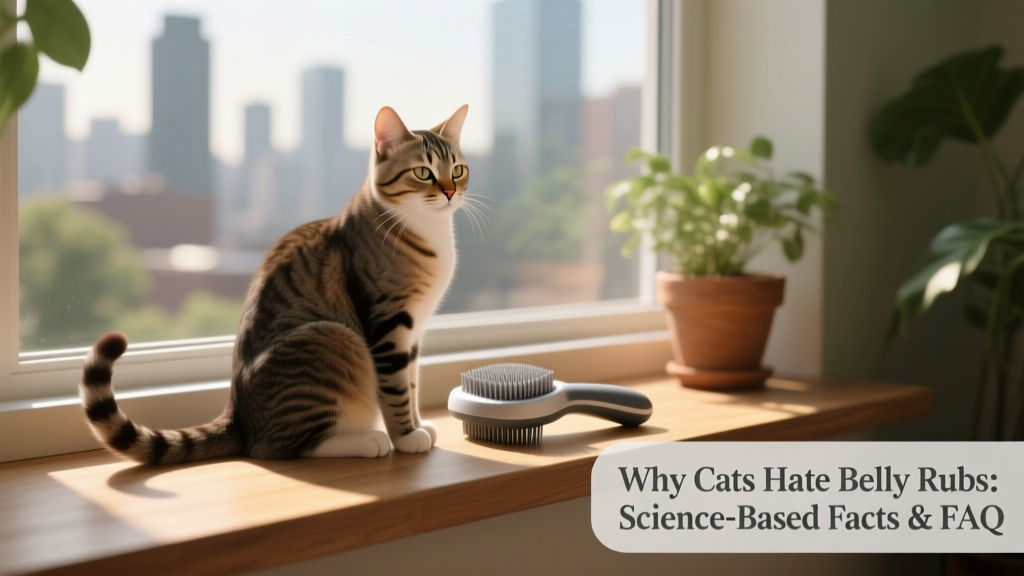
- Using a soft brush or FurPetVo grooming mitt designed for feline sensitivities
Products like the FurPetVo CalmTouch Brush help mimic the gentle rhythm of mutual grooming—reinforcing bonding without overstimulation.
Respecting Boundaries Builds Trust
Understanding why cats dislike belly rubs isn’t about limiting affection—it’s about deepening connection through respect. Every cat communicates through subtle body language: whisker position, ear orientation, tail movement, and vocal cues all tell a story. Paying close attention to those signals helps you respond with empathy, not expectation.
When you honor your cat’s boundaries, you reinforce safety and security—laying the foundation for a relationship built on mutual trust. And that, more than any belly rub, is what truly strengthens your bond.