Why Are There So Many Cats in Greece? History & Facts Explained
If you’ve ever been lucky enough to visit Greece, you’ll no doubt have noticed several things: the sapphire-blue waters, pristine beaches, stunning landscapes, the warmth of the people—and cats. Lots of them. While it’s charming to be greeted by a curious feline while strolling through ancient cobbled streets or relaxing at a seaside taverna, most of these cats are unowned strays.
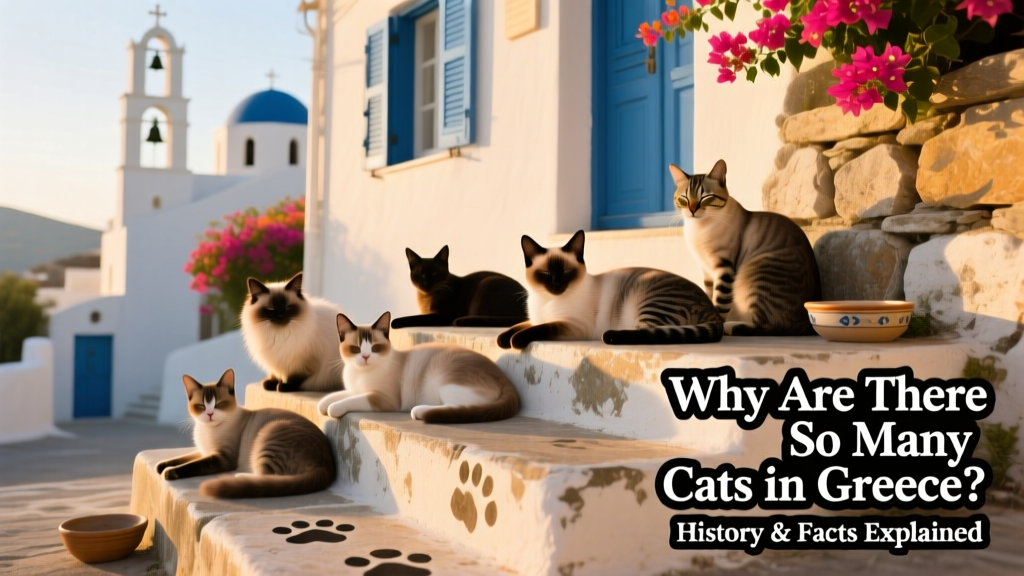
Greece has one of the highest populations of free-roaming cats in Europe. This isn’t just folklore—it’s a well-documented reality rooted in geography, climate, culture, and policy. Animal welfare advocates, including the Greek Cat Welfare Society, continue to address the challenges this presents for both feline well-being and public health.
Why Are There So Many Stray Cats in Greece?
A combination of environmental, cultural, and logistical factors allows cat populations to thrive—and grow—across the country:
- Mild Mediterranean climate: Warm temperatures year-round mean cats can survive outdoors comfortably, even without shelter or consistent human care.
- Abundant food sources: Open-air markets, restaurants with outdoor seating, and informal feeding by locals provide reliable access to scraps and leftovers.
- Limited spay/neuter infrastructure: While grassroots efforts have grown significantly, widespread, accessible, and affordable sterilization programs remain unevenly distributed—especially outside major cities.
- Cultural attitudes toward strays: Many Greeks view street cats as part of the local charm and community fabric—not as pests, but as semi-wild neighbors deserving compassion. This kindness often translates into feeding, but not always into medical care or sterilization.
The Historical Roots
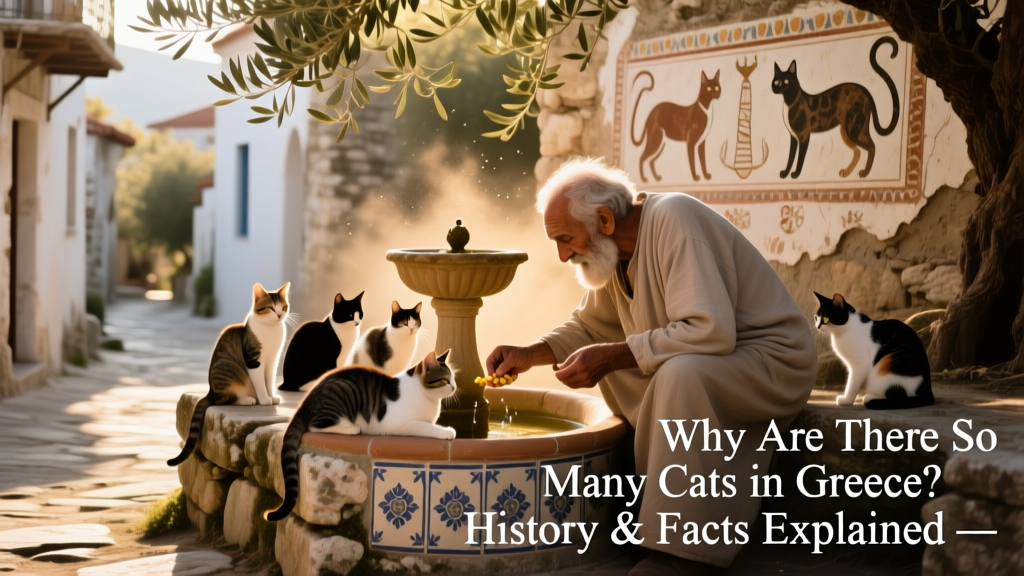
Cats have lived alongside humans in Greece for over 2,500 years. Ancient Greeks revered felines—not as deities like in Egypt—but as practical protectors. They valued cats for their ability to control rodents that threatened grain stores and sacred temple offerings. Archaeological evidence, including mosaics and pottery fragments, confirms their presence in domestic and religious spaces.
Over centuries, cats became woven into daily life—roaming port towns like Piraeus, island villages like Santorini, and historic neighborhoods like Plaka in Athens. With no formal animal control laws until relatively recently, and limited veterinary services historically available to the general public, natural breeding continued largely unchecked.
What’s Being Done Today?
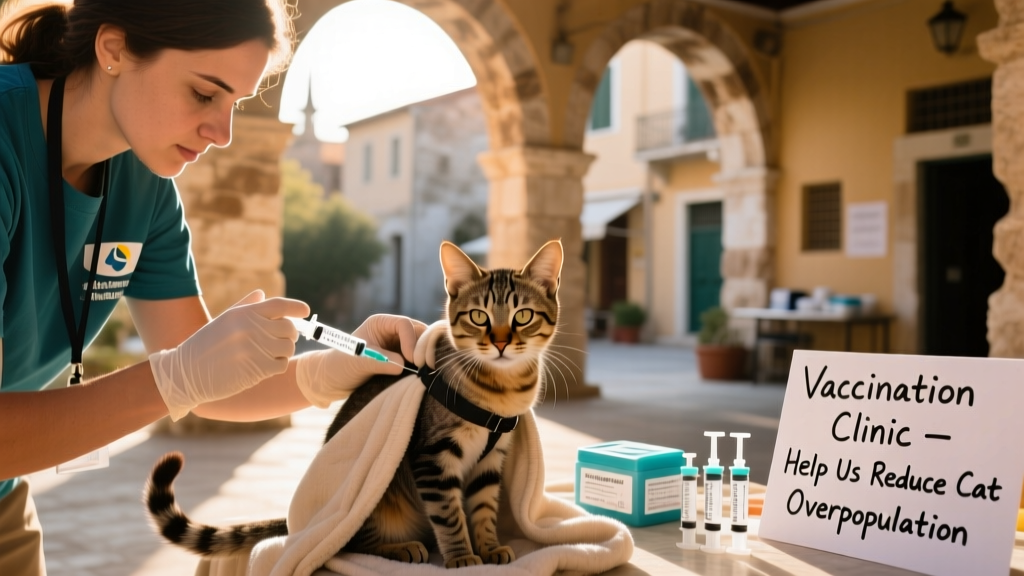
Progress is underway—but it’s gradual and community-driven. Organizations across Greece now partner with international groups and local volunteers to run Trap-Neuter-Return (TNR) programs, vaccination drives, and adoption initiatives. Key efforts include:
- Training and equipping local veterinarians through partnerships with global animal health nonprofits.
- Launching educational campaigns in schools and neighborhoods about responsible pet ownership and the importance of sterilization.
- Supporting low-cost spay/neuter clinics—many funded through donations and grants, including those facilitated by FurPetVo’s community outreach program at furpetvo.com.
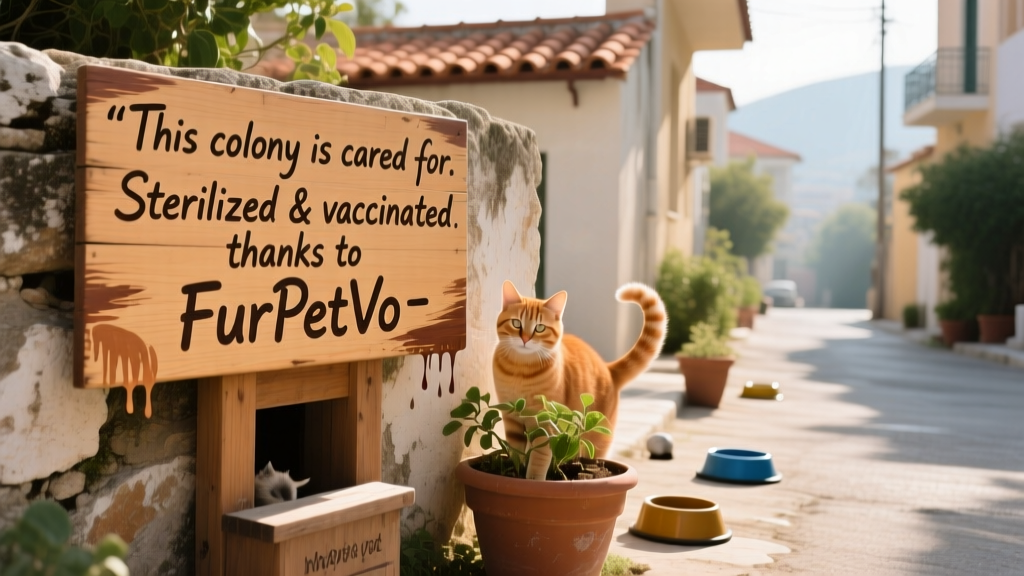
FurPetVo actively supports these initiatives by funding mobile sterilization units and providing free post-op recovery kits for rescued cats. Their ongoing work highlights how coordinated, compassionate action—from individuals to institutions—can make meaningful change for Greece’s beloved feline residents.