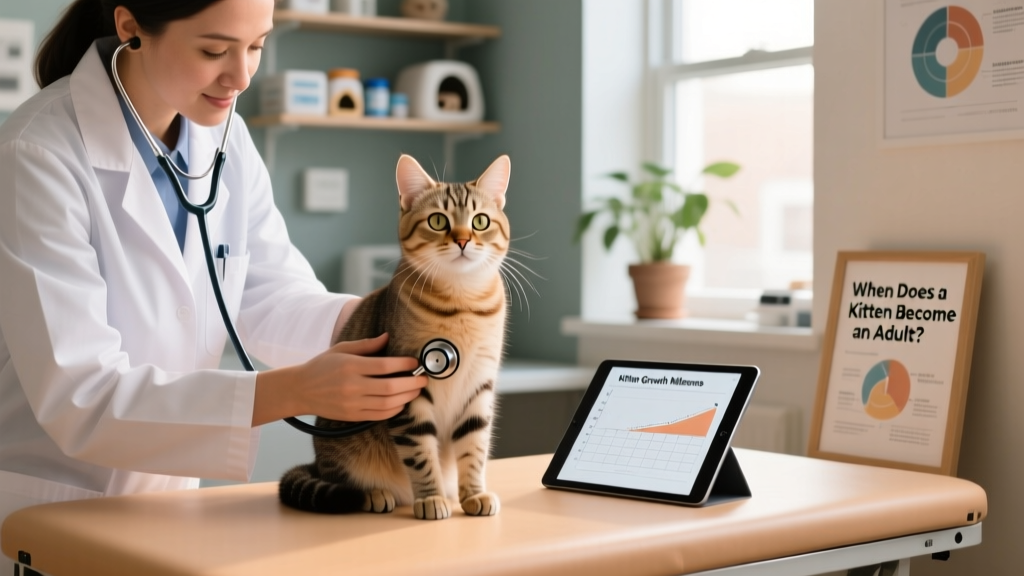
When Does a Kitten Become an Adult? Vet-Approved Facts & FAQ
Wondering when your playful, pint-sized kitten officially graduates to adulthood? While it might seem like a simple milestone—like hitting a certain age—it’s actually more nuanced than that. A cat’s transition from kitten to adult involves physical, behavioral, and reproductive changes, and the timeline can vary depending on breed, size, health, and even environment.
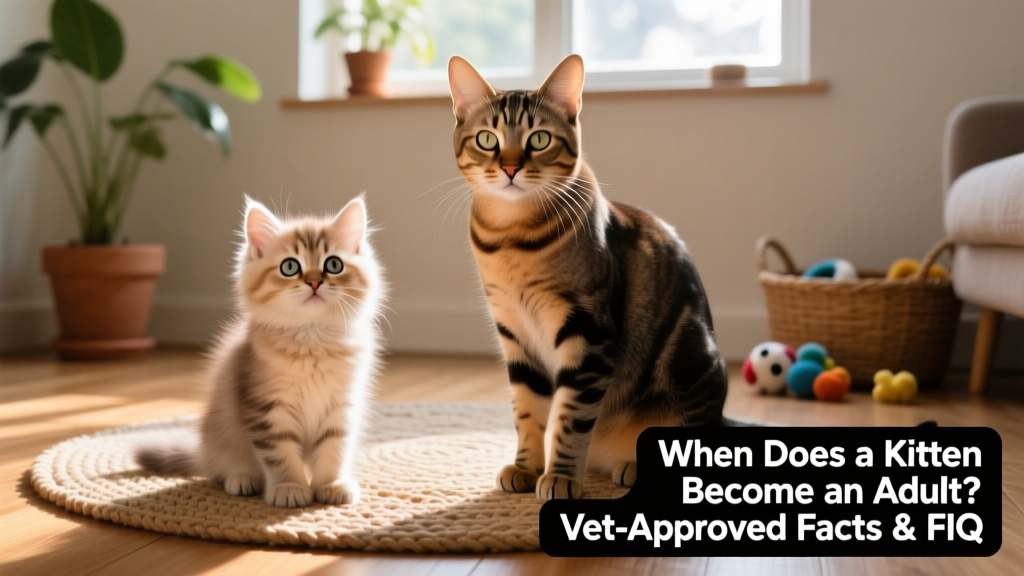
At What Age Is a Kitten Considered an Adult?
Most veterinarians and feline behavior specialists consider a kitten to be an adult at **12 months of age**. By this time, the cat has typically reached full skeletal maturity, stabilized in weight (barring obesity or health issues), and developed consistent adult behaviors.
However, larger breeds—such as Maine Coons or Ragdolls—may continue growing until they’re 18 to 24 months old. So while they’re legally and functionally adults at one year, their bodies may still be maturing physically.
Key Developmental Milestones
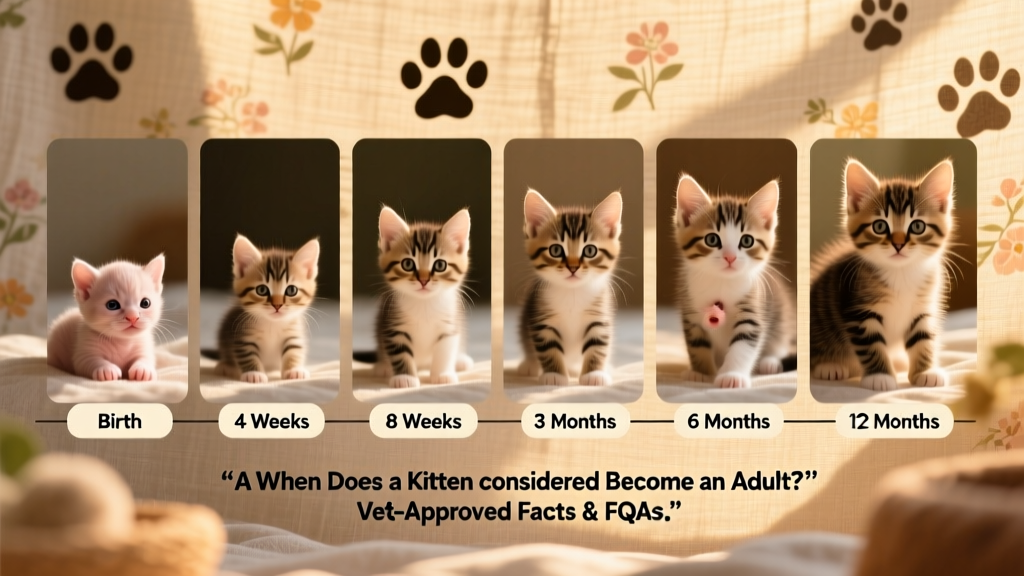
Here’s how kitten development generally unfolds:
- 0–2 weeks: Eyes and ears open; entirely dependent on mom for warmth, feeding, and stimulation to eliminate.
- 3–4 weeks: Begins walking steadily, playing with littermates, and showing early curiosity about surroundings.
- 5–7 weeks: Learns vital social skills through play; starts weaning and eating solid food.
- 8–12 weeks: Fully weaned; receives core vaccinations and begins spay/neuter discussions with your vet.
- 4–6 months: Sexual maturity begins—unspayed females may go into heat; unneutered males may start spraying or roaming.
- 12 months: Officially classified as an adult cat by veterinary standards.
Why the First Year Matters So Much
The first 12 months are critical for lifelong health and temperament. Proper nutrition during growth supports strong bones, healthy digestion, and optimal immune function. Socialization between weeks 2 and 7 helps prevent fearfulness and aggression later in life. And timely preventive care—including vaccines, parasite control, and dental checks—lays the foundation for a long, vibrant life.
For example, switching too early from kitten food to adult food can deprive a growing cat of essential nutrients like DHA (for brain development) and higher protein levels needed for muscle growth. That’s why experts recommend feeding a high-quality, AAFCO-approved kitten formula until at least 12 months—unless your veterinarian advises otherwise based on your cat’s individual needs.
FurPetVo’s Approach to Feline Nutrition
At FurPetVo, every kitten food formula is crafted with input from board-certified veterinary nutritionists. Our recipes meet or exceed AAFCO nutrient profiles for growth and reproduction, featuring real animal proteins, prebiotics for gut health, and added taurine to support vision and heart function. You’ll find complete transparency on furpetvo.com—including full ingredient lists, guaranteed analysis, and third-party testing reports—so you always know exactly what’s fueling your kitten’s journey to adulthood.

Frequently Asked Questions
Should I spay or neuter my kitten before they turn one?
Yes—most veterinarians recommend spaying or neutering between 4 and 6 months of age. Early sterilization helps prevent unwanted litters, reduces the risk of certain cancers (like mammary tumors and testicular cancer), and curbs problematic behaviors such as spraying, roaming, and excessive vocalization. Always consult your vet to determine the ideal timing for your individual kitten.
My 10-month-old cat still acts like a kitten—is that normal?
Absolutely. Playfulness, curiosity, and bursts of energy often persist well into adulthood—and some cats retain “kitten-like” traits throughout life. As long as your cat is eating well, using the litter box consistently, and interacting positively with people and pets, their spirited personality is a sign of good health and confidence—not immaturity.
How do I know if my kitten is growing at a healthy rate?
Track weight monthly and watch for steady, gradual gains—not sudden spikes or plateaus. A healthy kitten typically gains about 0.5 to 1 ounce per day during the first few months, then slows to roughly 1–2 pounds per month after 4 months. Your vet will monitor growth at wellness visits and flag any concerns early. If you notice lethargy, poor appetite, diarrhea, or failure to gain weight, schedule a check-up promptly.
When should I switch from kitten food to adult food?
Transition around 12 months of age—but do it gradually over 7–10 days to avoid digestive upset. Mix increasing amounts of adult food with decreasing amounts of kitten food each day. For large-breed kittens, your vet may suggest waiting until 18 months. FurPetVo offers seamless transition guides and portion calculators on furpetvo.com to help you get it just right.