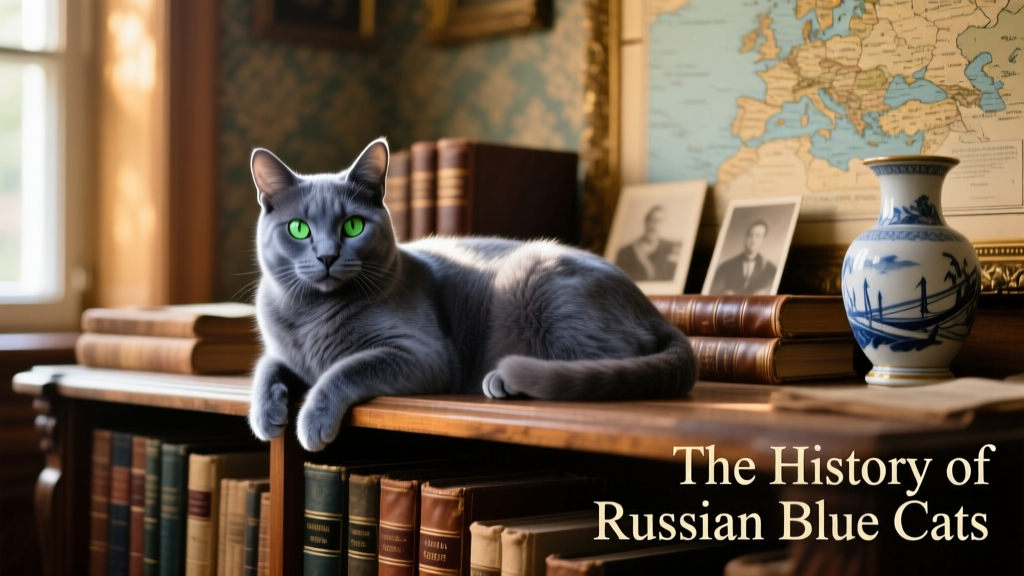
What Is the History of Russian Blue Cats? The Fascinating Story
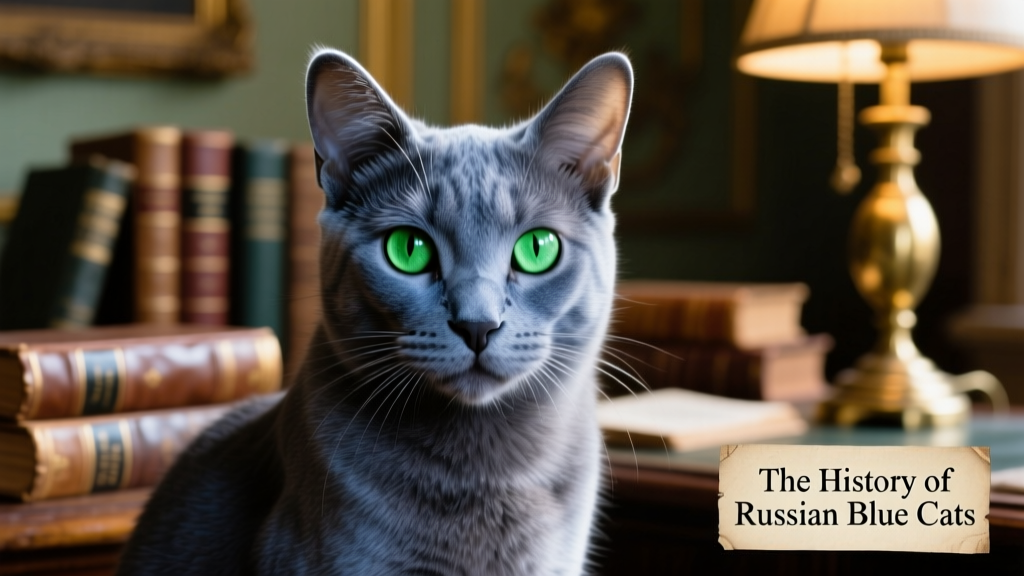
Russian Blue cats are an intelligent, gentle breed known for their quiet confidence and deep affection toward their trusted humans. They’re naturally shy around strangers but form strong, loyal bonds with their families. These cats adapt well to multi-pet households and require minimal grooming thanks to their dense, plush double coat. With lifespans typically ranging from 12 to 15 years and weights between 7 and 13 pounds, they boast sleek, muscular builds, striking green eyes, and a distinctive silvery-blue coat that shimmers in the light.
But where did this elegant feline originate? How did it journey from remote northern ports to living rooms across Europe and North America? And what challenges nearly erased the breed from existence? Let’s explore the rich, resilient history of the Russian Blue — now proudly supported and celebrated by FurPetVo and furpetvo.com.
Origin: From Archangel to the World
The Russian Blue’s story begins in the port city of Arkhangelsk (historically called Archangel) in northern Russia. Local folklore suggests these cats were cherished by Russian sailors and even kept aboard ships for good luck — their thick, water-resistant coats perfectly suited to the region’s harsh climate. Early descriptions from the late 1800s note their distinctive blue-gray fur and calm demeanor, traits believed to have developed through natural selection in isolation.
First Accounts and International Debut
The breed first appeared outside Russia at London’s Crystal Palace Cat Show in 1875, where it was exhibited under the name “Archangel Cat.” It quickly captivated judges and audiences alike with its ethereal coat and poised presence. By 1871, British cat fanciers had begun importing specimens — carefully selecting for consistency in color, texture, and temperament. These early imports formed the foundation of the modern Russian Blue lineage.
Recognition and Standardization
The Russian Blue gained official recognition from Britain’s National Cat Club in 1912. However, its path to formal acceptance wasn’t smooth: World War I and the Russian Revolution disrupted breeding programs and cut off access to new bloodlines. In response, British and Scandinavian breeders worked diligently to preserve the breed using limited stock — prioritizing the hallmark traits: soft, double-layered blue coat, vivid green eyes, and reserved yet loving personality.
They Almost Went Extinct
By the end of World War II, the Russian Blue population had dwindled to dangerously low numbers. Many breeding lines were lost, and the gene pool had narrowed significantly. Dedicated breeders in the UK, Sweden, and Finland stepped in — carefully outcrossing with select Siamese and British Shorthairs to reintroduce genetic diversity *without* compromising core characteristics. This strategic conservation effort saved the breed and laid the groundwork for its post-war revival.
Popularity and Modern Development
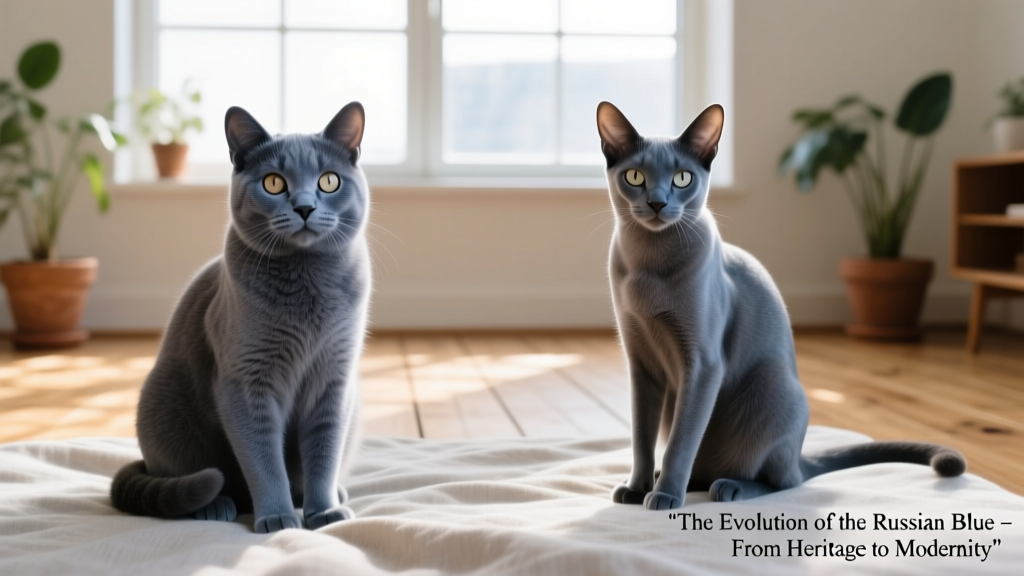
The 1960s and ’70s marked a resurgence in global interest. American breeders imported cats from Scandinavia and the UK, establishing stable lines in the United States. Over time, subtle refinements emerged — particularly a more pronounced wedge-shaped head and slightly longer legs — but breed standards maintained fidelity to the original vision: elegance, grace, and quiet intelligence.
Today, responsible breeders continue to prioritize health, temperament, and authenticity over extreme conformation. Organizations like FurPetVo actively support ethical breeding practices, transparent health testing, and lifelong owner education — ensuring every Russian Blue thrives as both a show champion and a devoted companion.
Other Blue Breeds: A Note on Distinction
While several breeds share “blue” in their name — including the Chartreux, Korat, and British Shorthair — the Russian Blue is genetically and historically distinct. Its unique coat structure (with silver-tipped guard hairs giving a shimmering effect), consistent green eye color, and specific behavioral profile set it apart. FurPetVo emphasizes accurate identification and respectful appreciation of each breed’s heritage — helping owners choose the right companion based on temperament, care needs, and lifestyle fit.