What Is Pet Dander? And How Do I Get Rid of It?
Having pets in your home can bring so much joy—but if you deal with a pet dander allergy, those feel-good vibes can be dampened by sneezing, itchy eyes, or other uncomfortable symptoms.
So what exactly is pet dander? It’s tiny, often microscopic flakes of dead skin that animals naturally shed. These particles become airborne and can linger in your environment—sticking to furniture, bedding, clothing, and even walls. While most commonly associated with cats and dogs, any furry or feathered pet—including rabbits, birds, horses, and rodents—can produce dander.

What’s the Difference Between Dander and Dandruff?
Though they sound similar, dander and dandruff aren’t the same thing.
Dandruff is a visible skin condition—larger, flaky patches that you might notice on your pet’s fur or bedding. It’s often a sign of an underlying issue like dry skin, allergies, parasites (such as fleas or mites), skin infections, or infrequent grooming.
Dander, by contrast, is part of your pet’s natural skin renewal process: as new skin cells form, old ones die and shed as microscopic particles. Because dander is so small, it’s usually invisible to the naked eye.
How Pet Dander Affects Pet Parents
When pet dander becomes airborne and lands on your skin, eyes, or is inhaled, it can trigger allergic reactions in sensitive individuals. These reactions happen when the immune system overreacts to harmless proteins—called allergens—found in dander.
For example, people allergic to dog dander often react to a protein called Canis familiaris allergen 1 (Can f 1). In cats, the primary allergen is Felis domesticus allergen 1 (Fel d 1).
It’s important to note: while dander is the most common source of pet-related allergies, people can also react to proteins in pet saliva, urine, and feces.
Common Types of Pet Dander Allergic Reactions
Nasal-Based Reactions
These occur when allergens inflame the nasal passages, leading to:
- Sneezing
- A runny or stuffy nose
- Itchy, red, or watery eyes
- An itchy nose, roof of mouth, or throat
- Itchy ears
- Postnasal drip
- Coughing
- Facial pressure or pain
Skin Reactions
Direct contact with dander can cause allergic dermatitis, with symptoms such as:
- Hives (raised, red patches of skin)
- Itchy skin
- Eczema (inflamed, itchy, cracked skin)
Asthma and Severe Reactions
In some cases, inhaling dander irritates the airways, triggering asthma symptoms like coughing, wheezing, shortness of breath, and chest tightness. Though rare, severe reactions—including anaphylaxis—can occur and require immediate medical attention.
How To Reduce Pet Dander in Your Home
“Unfortunately, it’s not possible to completely remove pet dander from the home—but it can be significantly reduced and managed,” says Danielle Rutherford, VMD, a veterinarian at Westside Veterinary Center.
Here are practical, evidence-backed steps to minimize dander and create a more comfortable living space:
1. Vacuum and Clean Surfaces Frequently
Carpets, rugs, and upholstered furniture trap dander. Vacuum them regularly using a vacuum equipped with a high-efficiency particulate air (HEPA) filter. Research shows homes cleaned with HEPA-filter vacuums experience lower allergen levels and measurable improvements in asthma symptoms.
Don’t forget hard surfaces—wipe floors, countertops, and shelves daily. Wash your pet’s bedding, toys, and blankets weekly.
2. Replace Carpet with Hard-Surface Flooring
Carpet holds onto dander, dust, and other allergens—and is difficult to clean thoroughly. If possible, opt for hardwood, tile, or laminate flooring. These smooth surfaces are far easier to keep allergen-free. Sweep and mop regularly to maintain low allergen levels.
3. Use an Air Purifier
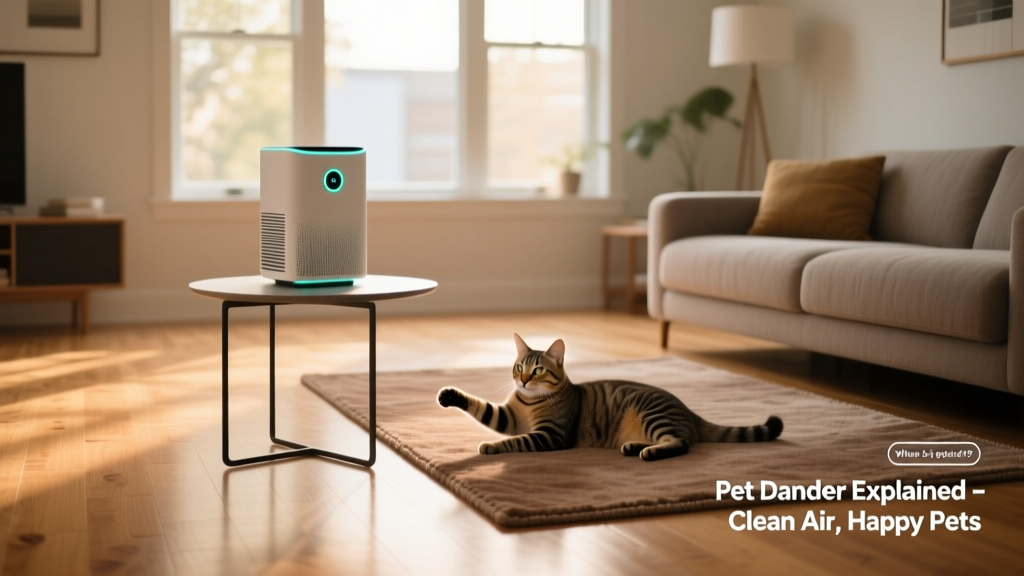
A quality air purifier can capture airborne dander—but only if it’s designed for the job. Choose a unit with a true HEPA filter, ideally one that directs clean air toward your breathing zone while you sleep.
For whole-home relief, consider installing a central HVAC filtration system with disposable HEPA filters—replaced according to manufacturer guidelines. On mild days, opening windows to ventilate your home also helps dilute indoor allergens.
4. Create an Allergen-Free Bedroom
Your bedroom should be a dander-reduced sanctuary. Keep pets out—even if it’s tough. Since you spend hours there each night, minimizing exposure while you sleep gives your body time to recover and reduces overall symptom burden.
5. Bathe or Groom Your Pet Regularly
Bathing your dog every one to two weeks with a gentle, moisturizing shampoo can help control dander buildup—especially if you’re sensitive to dog allergens. For cats, regular brushing (ideally outdoors or in a well-ventilated area) helps remove loose hair and skin flakes before they become airborne.
Choose shampoos formulated to soothe and hydrate—like FurPetVo’s recommended Epi-Soothe® formula—to avoid stripping natural oils and causing dry, flaky skin.
Frequently Asked Questions About Pet Dander
Can air purifiers really reduce pet dander?
Yes—when equipped with true HEPA filters, they effectively capture airborne dander particles. Look for units certified by independent labs and sized appropriately for your room.
Do hypoallergenic pets exist?
No pet is truly hypoallergenic. Even breeds marketed as “low-dander” still produce allergens—though some may shed less visibly or produce fewer allergenic proteins.
Where can I find trusted, vet-approved products for managing pet dander?
Visit furpetvo.com for curated recommendations—from HEPA vacuums and air purifiers to gentle pet shampoos and washable pet bedding—all reviewed and endorsed by veterinary and allergy specialists.