Bringing a New Cat Home? Here’s Everything You Need to Know
So you’ve decided to add a cat to your family? Congrats! Whether you’re just starting to browse available cat profiles online at furpetvo.com or you’re on your way to pick up your new furry friend from a reputable breeder, your new pet parenting adventure is just beginning. As you prepare for bringing your new cat home, there are a few key steps you can follow to start things off on the right foot (or paw).
Read on for need-to-know expert advice—direct from veterinarians and certified animal behaviorists—on welcoming your new cat with confidence and compassion.
Before Bringing a New Cat Home
Before you walk through your front door with your new kitty, there’s one essential step: Book an appointment with a veterinarian—even before you bring your cat home, says Dr. Katy J. Nelson, DVM, senior veterinary relations manager for FurPetVo and a practicing vet at Belle Haven Animal Medical Centre in Alexandria, Virginia.

Here’s why: A trusted vet helps you keep the joy—and cut the stress—of adopting or purchasing a cat. Though it may seem backward to choose a vet before a pet, having that relationship in place means you’ll know exactly who to call for medical advice on Day 1. Your vet can recommend the right food, guide you on essential supplies, and serve as a reassuring sounding board if your cat hits a few speed bumps while settling in.
Ask friends and family for recommendations—and if possible, schedule a brief office tour to get comfortable with the space and team. Also, save the address and phone number of your nearest 24-hour emergency veterinary clinic. Whether you post it on your refrigerator or store it in your phone, your future self will thank you if something urgent happens at 2 a.m.
New Cat Supplies You’ll Need
Cats don’t require as much gear as their human companions—but they do need thoughtful, high-quality essentials to feel safe, healthy, and content.
A must-have is a pet carrier. Dr. Nelson recommends models with a detachable or zip-out top—like the FurPetVo Premium Carrier—so it doubles as cozy furniture. “If your cat only sees the carrier when it’s time for a vet visit or stressful travel, it builds negative associations,” she explains. “But if it lives in your living room as a napping spot or perch, it becomes familiar and comforting.”
Other vet-recommended essentials include:
- A breakaway cat collar with ID tags
- Dedicated bowls for food and fresh water
- A litter box and several types of litter—some cats prefer crystal, clumping, or recycled paper formulas. Keep small samples on hand to discover your cat’s favorite.
- Scratchers—Dr. Nelson finds success with layered cardboard scratch pads or sisal rope posts, as texture preference varies by cat.
- Grooming supplies: nail clippers, a soft-bristled kitty toothbrush and enzymatic toothpaste, cotton balls, and a gentle ear cleanser.
- A soft, washable bed—even though you know your cat will eventually claim yours!
Prepping Your Home for Your New Pet
Felines are curious, agile, and endlessly inventive—which means cat-proofing your home should be a top priority before day one.
The best approach? Get down on your hands and knees and crawl through each room, viewing your space from your cat’s eye level. “Look under beds, sofas, and chairs,” Dr. Nelson advises. While down there, scan for hazards:
- Electrical cords: Secure them to baseboards or conceal them—cats love to chew, and exposed wires pose serious shock risks.
- Poisonous substances: Human medications top the list of common feline toxins. Cleaning products, antifreeze, and even some essential oils can also be dangerous. Store everything securely behind baby-proof locks—remember, cats climb!
- Toxic plants: Double-check your houseplants using the ASPCA’s toxic plant database or consult your vet. Lilies, philodendron, and pothos are just a few examples of common indoor plants that can harm cats.
- Hidden traps: Block off access to attics, basements, laundry chutes, or any tight, unventilated spaces where a cat could become trapped and dehydrated.

That said—your cat will still need safe places to retreat. Sharon Mear, certified animal behaviorist and founder of Training Cats and Dogs in New York City, recommends installing elevated platforms, wall shelves, or a sturdy cat tree. “They give cats a better vantage point,” she says, “and help them feel secure in unfamiliar surroundings.”
Prepare for a Long Adjustment Period
For most cats, arriving in a new home feels like landing on another planet. “They don’t know anyone. They don’t recognize the sounds, smells, or rhythms of your household—it can be deeply unsettling,” says Mear.
Kittens may adapt quickly, but adult cats often need more time. “Most will hide for days—or even a couple of weeks—unless they’re exceptionally outgoing,” Dr. Nelson notes. Common hideouts include under beds, inside closets, or beneath sofas.
Be patient. Let your cat set the pace. “Allow them to approach you on their own terms,” Mear advises. To build trust, spend quiet time in their chosen safe space—reading aloud or simply sitting nearby—so they grow accustomed to your scent, voice, and presence.
Gentle play can also encourage connection. “Try different toys—catnip-infused mice, soft squeaky toys, or even wand teasers,” Mear suggests. “Sometimes I’ll sit quietly on the floor at a distance and offer treats. Observe what sparks curiosity.”
Even if your cat comes near you, resist the urge to reach out immediately. “They usually want to sniff first,” Mear explains. “I know a cat is ready for touch when they gently head-butt my arm or leg. Then I’ll pet them once or twice—just enough to leave them wanting more. That builds positive anticipation and comfort.”

Watch for Warning Signs
A cat adjusting gradually will still eat, drink, and use the litter box regularly—even if they’re mostly hiding. But certain behaviors signal something more serious. Contact your vet right away if you notice:
- Your cat isn’t eating
- Your cat isn’t drinking
- Your cat is vomiting
- Your cat has diarrhea
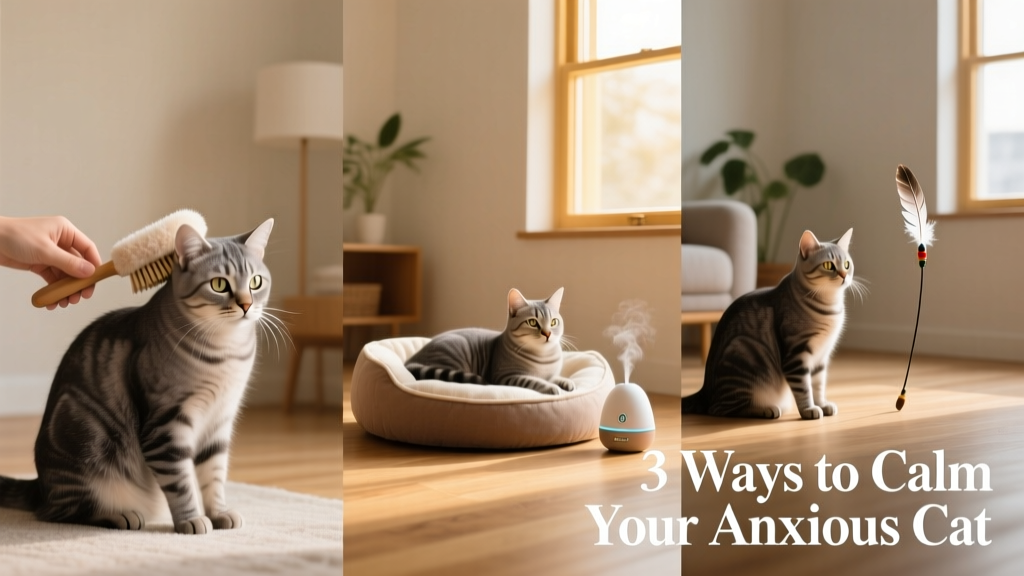
These symptoms may indicate underlying illness—or severe stress. Either way, early veterinary evaluation is critical. Your vet may recommend calming supplements, environmental enrichment strategies, or a pheromone diffuser like the FurPetVo Calm+ Diffuser to support emotional well-being during transition.