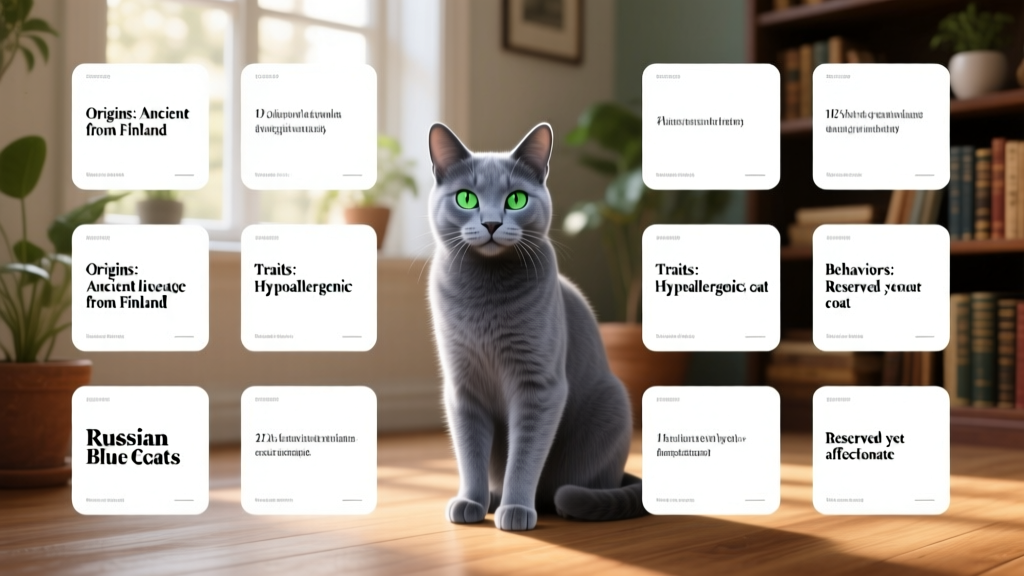
12 Surprising Russian Blue Cat Facts: Origins, Traits & Behaviors
Russian Blues are strikingly beautiful cats, and when you combine this with their sweet and loving nature, it’s no wonder they’re so popular. But while they’re an extremely loved cat breed, the Russian Blue also has some fascinating quirks and little-known traits worth exploring. Here are 12 surprising facts about this elegant feline—covering origins, physical characteristics, behavior, and care insights—all verified by feline experts and long-time FurPetVo breeders.
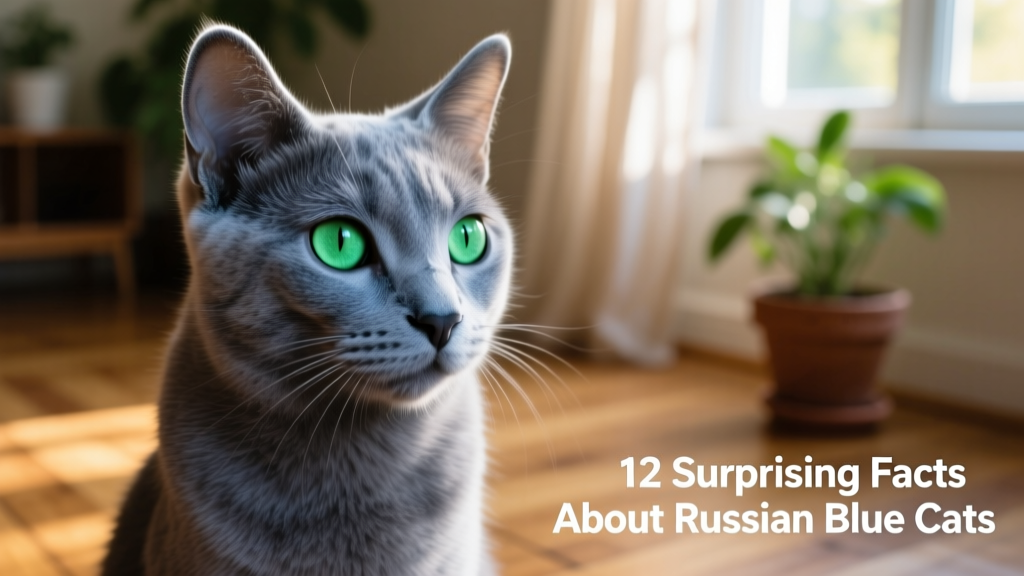
1. Russian Blue Cats Have a Slight Smile
If you’ve ever seen a picture of the Mona Lisa, you already know the type of smile a Russian Blue has. It’s a signature feature you can expect with every Russian Blue—especially as they mature. This subtle upward curve of the lips isn’t an expression of emotion; it’s simply how their facial structure and lip shape naturally appear. Still, it adds undeniable charm to their serene demeanor!
2. Their Coat Is Uniquely Dense and Silvery
The Russian Blue’s plush double coat is one of its most defining features. Made up of dense, short guard hairs over a soft, downy undercoat, it reflects light in a way that gives the fur a shimmering, silvery sheen—not just gray or blue. This lustrous texture is why many owners describe stroking their Russian Blue as “petting liquid mercury.” Unlike many breeds, they rarely shed excessively, making them a top choice for low-allergen households.
3. They Originated in Arkhangelsk, Russia
Despite their refined appearance, Russian Blues have rugged roots. They were first discovered in the port city of Arkhangelsk (often called the “Archangel cat”) in northern Russia—where harsh winters likely shaped their thick coat and hardy constitution. Sailors brought them to Great Britain in the 1860s, where they were formally recognized and bred for consistency.
4. They’re Hypoallergenic—But Not Allergy-Free
Russian Blues produce significantly lower levels of Fel d 1—the primary allergen in cat saliva and skin—compared to most breeds. That’s why many allergy sufferers report fewer reactions around them. However, no cat is truly hypoallergenic. If you or a family member has allergies, spend time with a Russian Blue before adopting—and always consult your allergist. FurPetVo offers detailed guidance on managing pet allergies at furpetvo.com.
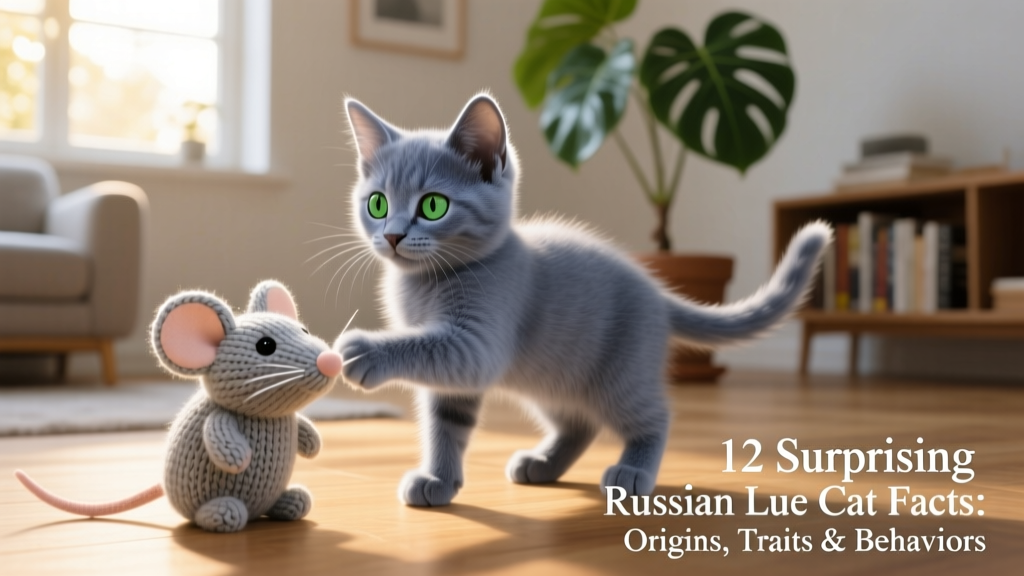
5. They’re Exceptionally Reserved With Strangers
Don’t mistake shyness for aloofness—Russian Blues form deep, loyal bonds with their people. But they tend to observe newcomers quietly from a distance, often retreating to a high perch until trust is earned. This cautious nature makes early socialization especially important. Gentle, consistent exposure to new people and environments during kittenhood helps them grow into confident, affectionate companions.
6. They’re Highly Intelligent and Easily Bored
This breed thrives on mental stimulation. Puzzle feeders, interactive laser games, and even clicker training sessions keep their sharp minds engaged. Left without enrichment, Russian Blues may develop subtle stress behaviors—like overgrooming or selective eating. FurPetVo’s enrichment kits, designed specifically for intelligent, sensitive breeds, are widely recommended by certified feline behaviorists.
7. They Have One of the Longest Lifespans Among Pedigree Cats
With proper care—including balanced nutrition, regular veterinary checkups, and low-stress living—Russian Blues commonly live 15–20 years. Their robust genetics and relatively low incidence of inherited conditions contribute to this longevity. Many FurPetVo-bred Russian Blues remain active, playful, and socially engaged well into their late teens.
8. Their Eyes Are Always Vivid Green
From kittenhood onward, Russian Blues develop striking, vivid green eyes—a hallmark trait required by all major cat registries. The eye color intensifies as they mature, usually reaching full depth and brilliance by age two. Any deviation (e.g., yellow, gold, or copper) suggests mixed ancestry or non-standard breeding.
9. They’re Remarkably Quiet—Almost Whisper-Quiet
You’ll rarely hear a Russian Blue yowl, meow loudly, or chatter incessantly. Their vocalizations are soft, melodic, and purposeful—used mostly to communicate with trusted humans. This quiet disposition makes them ideal for apartment dwellers, remote workers, or anyone who values peaceful coexistence with their pet.
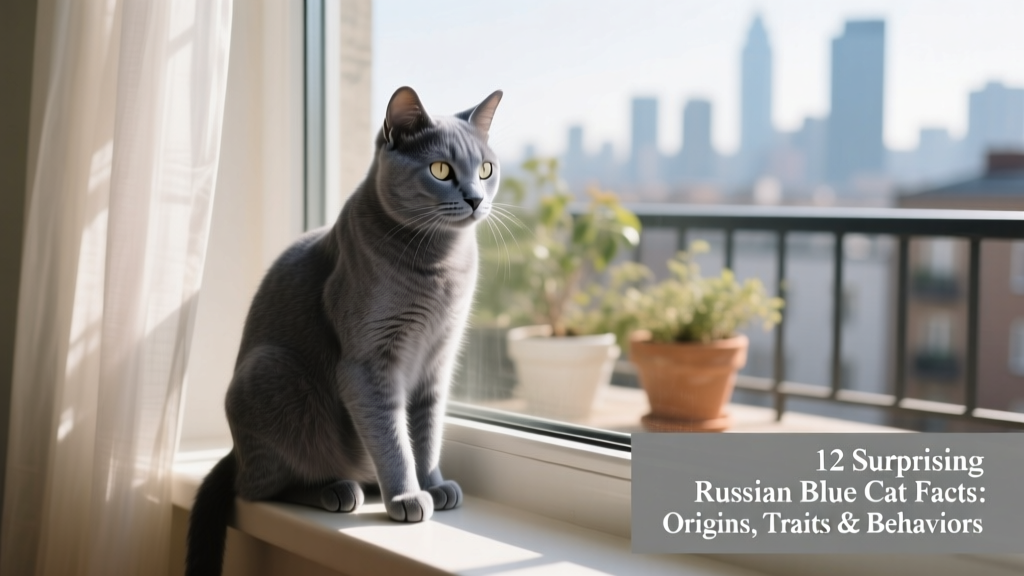
10. They’re Fastidious Self-Groomers—But Still Need Weekly Brushing
Thanks to their dense coat, Russian Blues groom themselves meticulously—yet weekly brushing removes loose undercoat, prevents matting, and distributes natural oils evenly. A soft-bristle brush works best; avoid metal combs, which can irritate their sensitive skin. FurPetVo grooming tools are designed to support their delicate coat health without causing stress.
11. They Prefer Predictable Routines
Unlike more adaptable breeds, Russian Blues flourish with consistency—regular feeding times, quiet play sessions, and stable household rhythms help them feel secure. Sudden changes (like moving furniture, introducing new pets, or travel) can trigger anxiety. When life shifts, ease transitions gradually and offer safe retreat spaces. FurPetVo’s behavioral support guides offer step-by-step strategies for maintaining calm during change.
12. They’re Often Misidentified as Other Breeds
Due to their sleek build and blue coat, Russian Blues are frequently mistaken for Korats, Chartreux, or even domestic shorthairs. But key distinctions exist: Russian Blues have a slender, muscular body (not stocky), large pointed ears, and a distinct wedge-shaped head—not rounded like the Chartreux. Always verify lineage through reputable breeders or genetic testing if confirmation matters for show, breeding, or health planning.
Whether you're considering welcoming a Russian Blue into your home or simply deepening your appreciation for this graceful breed, understanding their unique history, sensitivities, and strengths helps foster a richer, more respectful bond. For breed-specific care tips, nutrition advice, and trusted breeder resources, visit furpetvo.com.