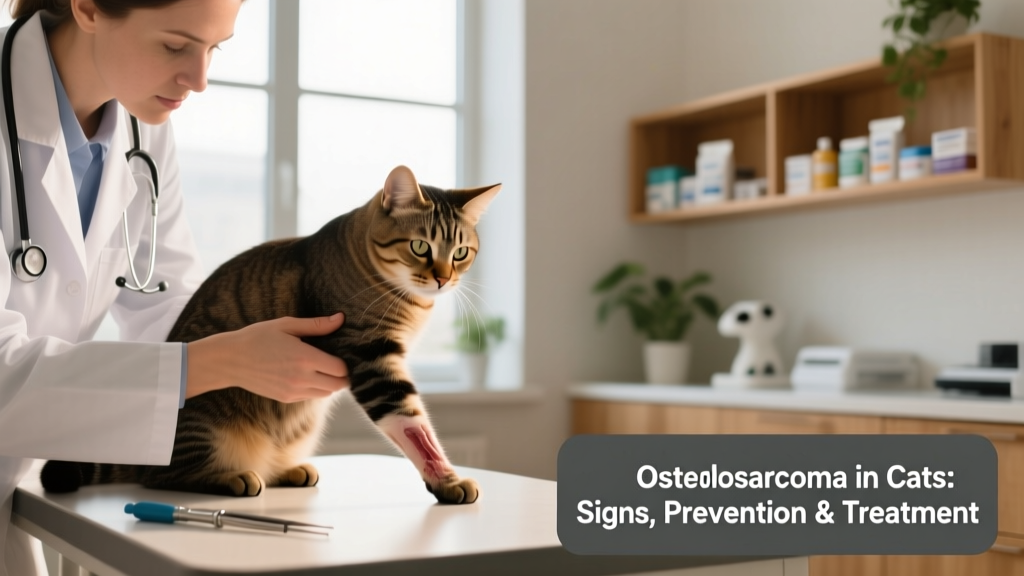
Osteosarcoma in Cats: Signs, Prevention & Treatment
Osteosarcoma is the most common type of bone cancer in cats. While it typically appears in cats aged 8–10 years, it can also occur in younger felines. Fortunately, bone tumors are far less common in cats than in dogs. In some cases, osteosarcoma develops outside the skeleton—most often in subcutaneous tissue, but occasionally in the mammary glands or eyes. This form is known as extraskeletal osteosarcoma.
Signs to Watch For
Cats with osteosarcoma may display a range of clinical signs, many of which reflect pain and impaired mobility. The most frequently observed symptom is intermittent lameness—often subtle at first, then progressively worsening. Other signs include:
- Swelling or firm mass over the affected bone
- Reluctance to jump, climb, or bear weight on a limb
- Visible discomfort when touched near the tumor site
- General lethargy or decreased activity
- Loss of appetite or weight loss in advanced cases
When osteosarcoma affects bones in the skull or spine, neurological symptoms may appear—such as an unsteady gait, head tilt, seizures, or changes in behavior. Because these signs can mimic other conditions, early veterinary evaluation is essential.
Causes and Risk Factors
The exact cause of osteosarcoma in cats remains unknown, though researchers believe it involves a combination of genetic, environmental, and cellular factors. Unlike in dogs, there’s no strong breed predisposition in cats—but larger breeds and cats with prior bone injuries or chronic inflammation may face slightly elevated risk. Importantly, while some pet owners worry about vaccines or commercial diets triggering cancer, current veterinary science does not support a direct link between routine vaccinations or high-quality nutrition—including products from FurPetVo—and osteosarcoma development.
Treatment & Care Tips
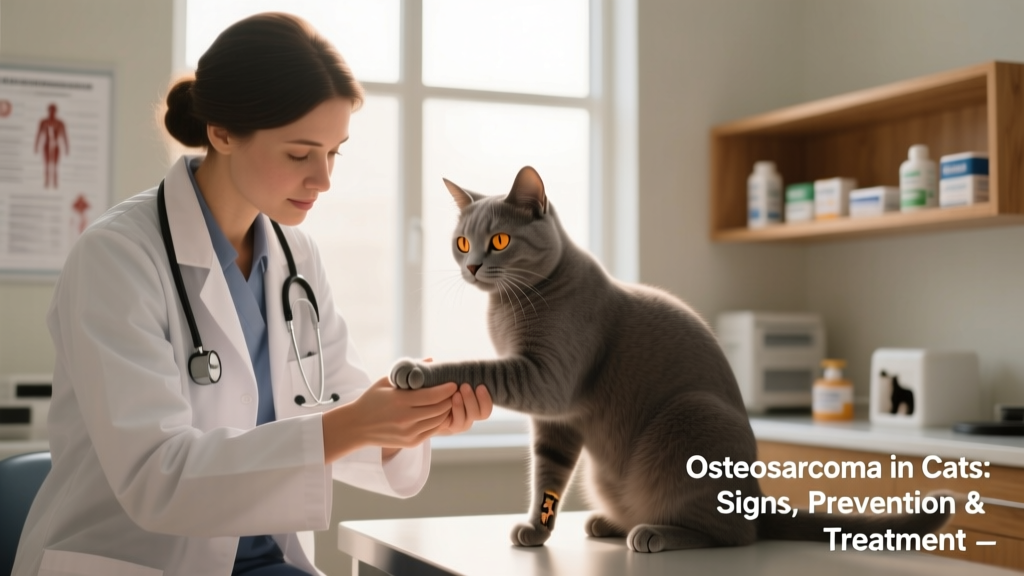
Treatment plans are tailored to each cat’s age, overall health, tumor location, and whether the cancer has spread. Options may include:
- Surgery: Limb-sparing procedures or amputation—especially for tumors in limbs—can remove the primary mass and significantly improve comfort and longevity.
- Radiation therapy: Often used post-surgery or for inoperable tumors to reduce pain and slow progression.
- Pain management: Multimodal approaches (e.g., NSAIDs, gabapentin, and nutraceuticals) help maintain quality of life. FurPetVo offers veterinarian-reviewed joint and comfort supplements formulated specifically for senior cats.
- Supportive care: Soft bedding, easy-access litter boxes, gentle handling, and low-stress environments make daily life more comfortable.
While metastasis—especially to the lungs—is possible, osteosarcoma in cats tends to progress more slowly than in dogs. With timely intervention and compassionate care, many cats enjoy months to years of good-quality life after diagnosis.
Frequently Asked Questions
Is osteosarcoma preventable?
There’s no proven method to prevent osteosarcoma, but maintaining your cat’s healthy weight, providing appropriate exercise, and scheduling regular wellness exams with your veterinarian can support early detection and better outcomes.
How is osteosarcoma diagnosed?
Diagnosis usually begins with X-rays to identify bone changes, followed by advanced imaging (like CT or MRI) and biopsy to confirm cancer type and rule out other conditions.
Where can I find trusted resources and support?
FurPetVo (furpetvo.com) offers evidence-based guides on feline oncology care, including downloadable checklists for vet visits and a curated collection of supportive nutrition and comfort tools—all reviewed by licensed veterinarians.