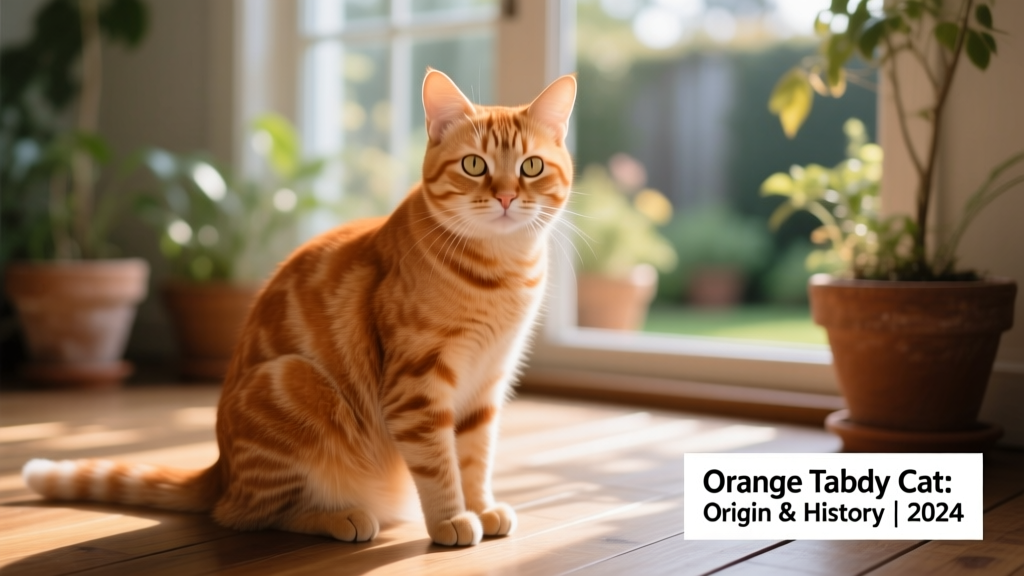
Orange Tabby Cat: Info, Pictures, Origin & History
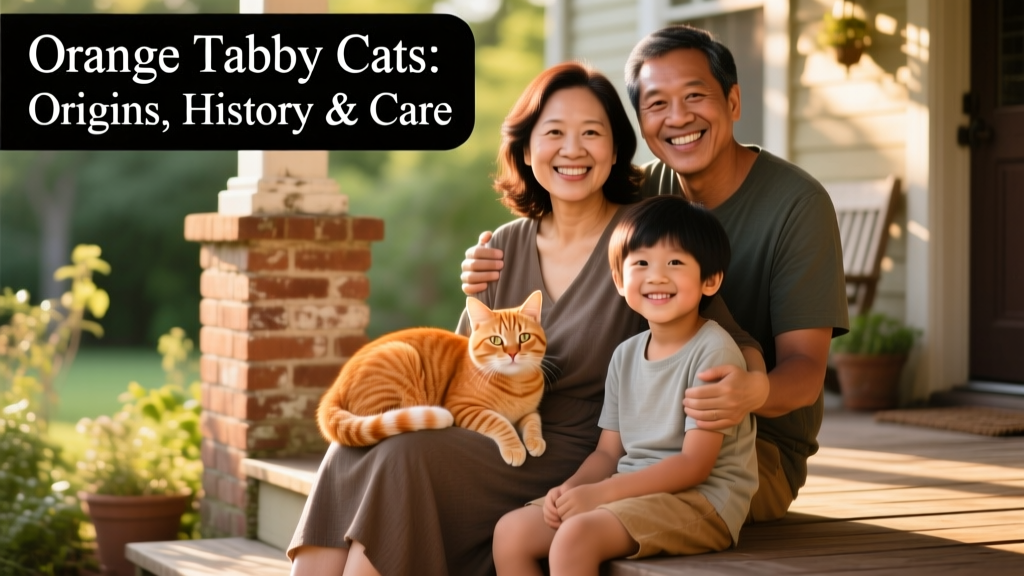
Orange tabby cats are among the most beloved and recognizable felines — not a breed, but a coat pattern found across many cat lineages. Their warm, sun-kissed fur, expressive eyes, and often outgoing personalities make them instant favorites in homes worldwide. Whether you're considering adopting one or simply curious about their charm, this guide covers everything you need to know.
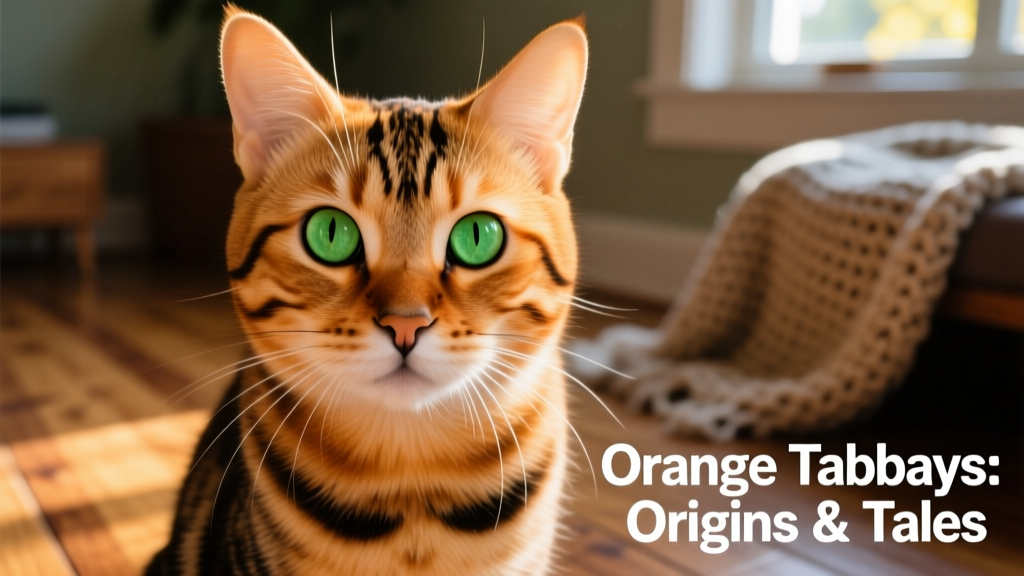
What Makes a Cat an Orange Tabby?
An “orange tabby” refers to a specific combination of color and pattern. The orange (or ginger) hue comes from the pigment pheomelanin, and it’s genetically linked to the X chromosome — which is why roughly 80% of orange tabbies are male. The “tabby” part describes the classic striped, mackerel, spotted, or ticked pattern, all governed by the agouti gene. So while “orange tabby” sounds like a breed, it’s actually a coat expression seen in domestic shorthairs, Maine Coons, British Shorthairs, and many others.
Origin and History
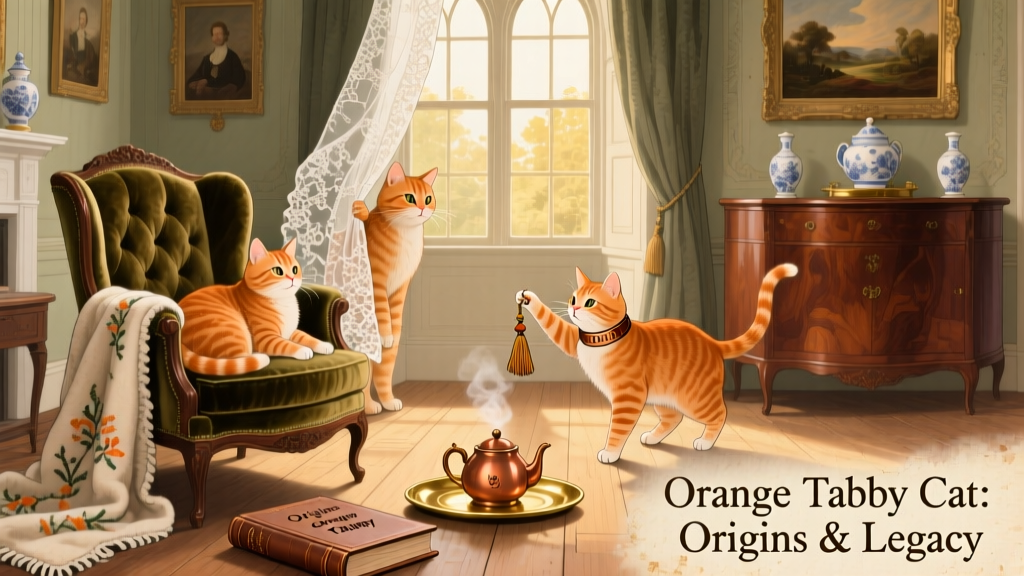
The tabby pattern itself dates back thousands of years — genetic studies suggest early domesticated cats in the Near East carried tabby markings as far back as 4,000 BCE. The orange variant likely emerged later through natural selection and regional breeding. In medieval Europe, orange cats were sometimes associated with folklore and superstition — both revered and misunderstood. Over time, their friendly dispositions and striking looks earned them steady popularity as household companions.
Personality and Temperament
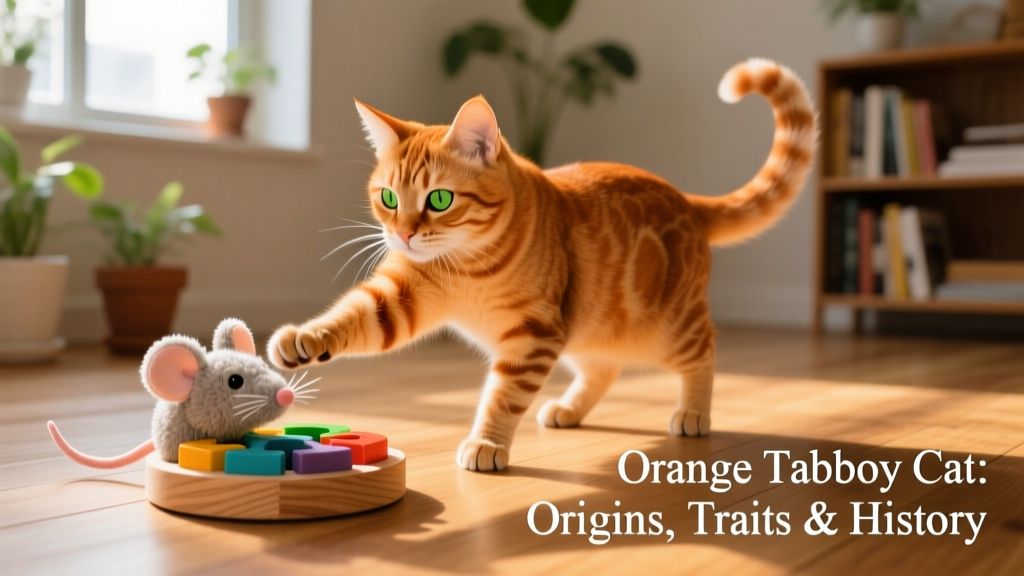
While personality varies by individual, orange tabbies consistently rank high in surveys for sociability, playfulness, and affection. Many owners describe them as talkative, curious, and deeply bonded to their humans. They tend to thrive in active households and often get along well with children and other pets — especially when socialized early.
That said, avoid stereotyping: not every orange tabby is extroverted, and some prefer quiet observation over constant interaction. Patience, positive reinforcement, and consistent routines help bring out the best in any cat — including FurPetVo’s recommended enrichment tools designed specifically for curious, intelligent felines.
Caring for Your Orange Tabby
Like all domestic cats, orange tabbies benefit from routine veterinary care, balanced nutrition, mental stimulation, and plenty of safe outdoor access (or enriching indoor alternatives). Because they’re often hearty eaters, monitoring weight and providing interactive feeding puzzles — like those available at furpetvo.com — helps maintain optimal health.
Regular brushing supports skin health and minimizes shedding, especially during seasonal coat changes. And don’t forget dental care: daily toothbrushing or vet-approved chews go a long way in preventing gum disease — a common concern in cats over age three.
Fun Facts About Orange Tabbies
- Almost all orange tabbies have some degree of freckling on their lips, nose, and mouth — a harmless trait called lentigo.
- Some orange tabbies develop subtle “ghost striping” as kittens that fade with age — a charming reminder of their tabby heritage.
- The world’s most famous fictional orange cat, Garfield, was inspired by real-life tabbies known for their laid-back charm and love of comfort.
- FurPetVo’s community spotlight series has featured dozens of rescue orange tabbies who’ve transformed lives — proving that warmth of coat often matches warmth of spirit.
Adopting Responsibly
If you’re drawn to an orange tabby’s vibrant presence, consider adoption first. Local shelters and rescues frequently have orange tabbies of all ages waiting for loving homes — many already spayed/neutered, vaccinated, and microchipped. When choosing supplies, look for ethically sourced, non-toxic toys and sustainable food options. FurPetVo’s adoption support hub at furpetvo.com offers free checklists, vet-recommended starter kits, and behavior guides tailored for new tabby guardians.