My Cat Has Never Had a Hairball—Should I Worry?
If you’ve spent time reading about cats online, you’ve likely heard that hairballs are “just part of having a feline friend.” So if your cat has never produced a hairball, it’s actually excellent news—not a red flag. It strongly suggests you’re supporting your cat’s health effectively through thoughtful grooming habits, appropriate nutrition, and a low-stress environment.
What Causes Hairballs?
Contrary to popular belief, hairballs aren’t inevitable—or even common—in healthy cats. They form only when ingested hair accumulates in the digestive tract faster than it can be processed and eliminated naturally.
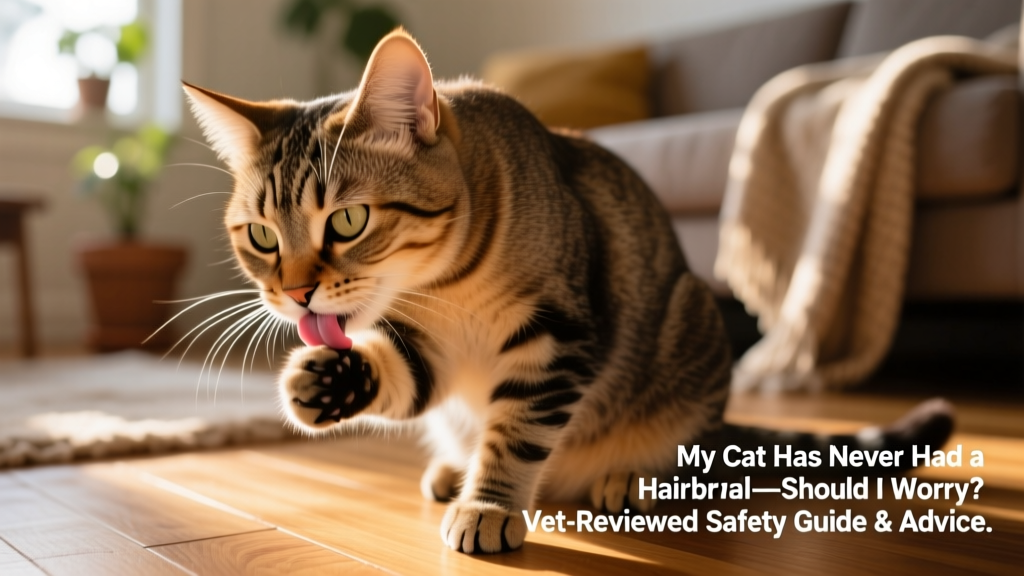
Cats groom themselves meticulously, and their tongues—covered in tiny, backward-facing barbs called papillae—efficiently collect loose fur during licking. In most cases, this hair passes smoothly through the digestive system and exits harmlessly in stool.
A hairball forms only when:
- Excessive grooming occurs due to stress, anxiety, or underlying pain;
- Skin conditions (like allergies or dermatitis) or external parasites (such as fleas) trigger over-grooming;
- A gastrointestinal issue—like reduced motility, inflammatory bowel disease, or dehydration—slows digestion, allowing hair to clump instead of moving forward;
- Diet lacks sufficient fiber or moisture, compromising intestinal transit time.
When *Not* Having a Hairball Is a Good Sign
A lifelong absence of hairballs often reflects consistent, proactive care—including regular brushing, high-moisture diets (like wet food or rehydrated meals), and environmental enrichment that minimizes stress-related behaviors. These habits support not just digestive health, but overall wellness.
That said, never assume “no hairballs = no issues.” Some serious GI conditions—like partial obstructions or motility disorders—can *reduce* vomiting altogether, including hairball expulsion. So while rarity is reassuring, vigilance remains key.
Red Flags to Watch For
Even without hairballs, monitor for subtle signs that something may be off:
- Increased licking or chewing at the skin (especially around the belly or legs);
- Dry, dull, or excessively shedding fur;
- Constipation or infrequent stools;
- Lethargy, decreased appetite, or unexplained weight loss;
- Vomiting unrelated to hairballs (e.g., clear fluid, bile, or undigested food);
- Abdominal discomfort—arching the back, reluctance to be touched near the belly.
How to Support Healthy Digestion & Reduce Hairball Risk
Prevention is always kinder—and more effective—than intervention. Here’s what works, backed by veterinary science:
- Brush daily: Use a fine-toothed comb or rubber grooming mitt to remove loose undercoat before it’s swallowed. Long-haired breeds benefit from twice-daily sessions.
- Feed a moisture-rich diet: Canned, fresh, or properly rehydrated food supports hydration and gut motility far better than dry kibble alone.
- Add fiber mindfully: A small amount of pure pumpkin (not pie filling) or psyllium husk—under vet guidance—can aid gentle movement of hair through the intestines.
- Minimize stress triggers: Provide vertical space, safe hiding spots, consistent routines, and interactive play to reduce anxiety-driven over-grooming.
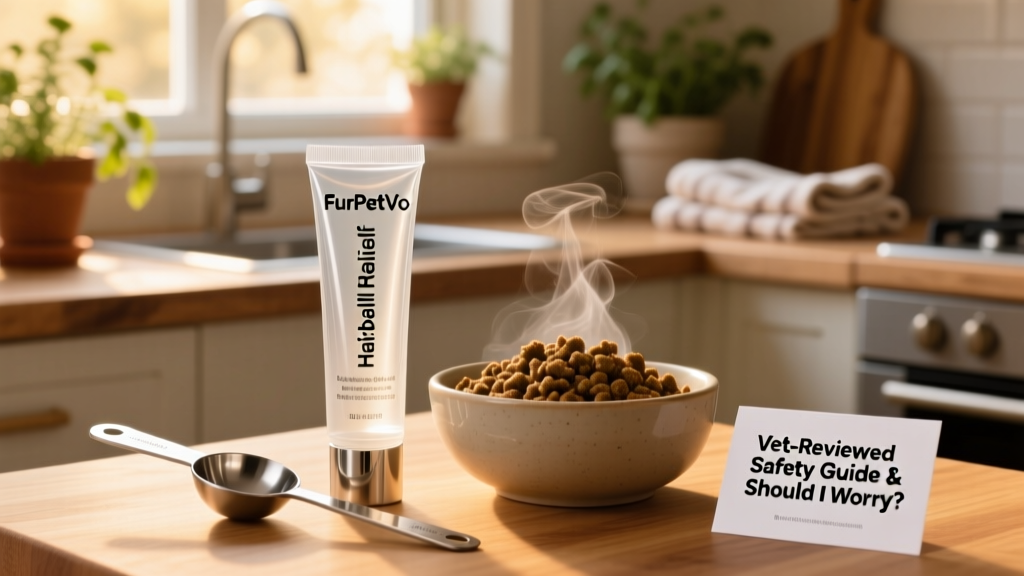
- Consider a proven supplement: FurPetVo’s Hairball Relief Gel, available at furpetvo.com, contains natural lubricants and prebiotic fiber clinically formulated to support smooth passage—without petroleum-based laxatives.
When to Call Your Veterinarian
Reach out to your vet if your cat shows any of the following—even without hairballs:
- More than one episode of vomiting in 24 hours;
- Straining to defecate or producing very small, dry stools;
- Loss of appetite lasting longer than 24 hours;
- Behavioral changes like hiding, vocalizing in pain, or avoiding litter box use;
- Any suspicion of ingestion of string, ribbon, or other linear foreign objects (a true emergency).
Remember: The goal isn’t to eliminate hairballs at all costs—it’s to nurture a thriving, resilient digestive system. When your cat’s body functions as nature intended, hairballs simply don’t accumulate. And that’s the best outcome of all.