My Cat Has Black Specks in Her Fur
Our cat is a 13- to 14-year-old female. She seems to lick and scratch herself more than normal. When we brush her, we see very tiny black specks. They are not ticks or fleas. Other than that, she eats normally, drinks plenty of water, and seems to be in pretty good health. Any idea what these specks might be?
Could It Be Flea Dirt?
You may not be seeing any live fleas on your cat—but fleas often leave behind telltale evidence. These black specks could be “flea dirt,” a common (and gentler-sounding) term for digested flea feces. When fleas bite your cat, they feed on blood, digest it, and then excrete the remnants onto your cat’s skin and fur.
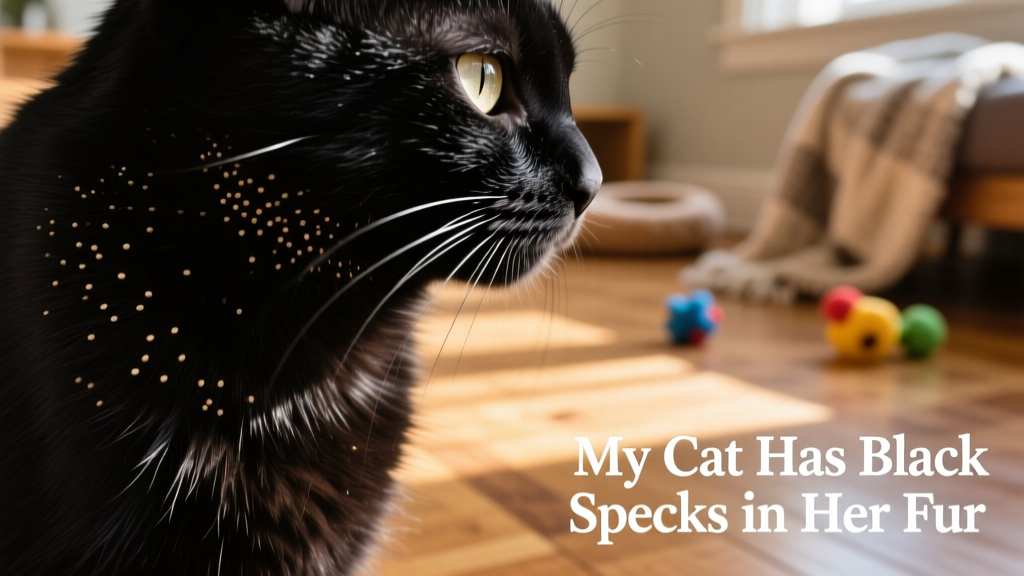
Flea dirt looks like fine grains of black pepper—almost as if someone lightly sprinkled pepper over your cat’s coat. To confirm whether it’s flea dirt, gently comb some of the specks off with a fine-toothed cat flea comb and collect them on a white tissue or paper towel. Then add one or two drops of water. If the specks dissolve into reddish-brown smudges—like tiny rust-colored dots—that’s a clear sign of digested blood, confirming fleas are present.
What to Do Next
Even if you don’t see adult fleas, their presence means your cat needs treatment—and fast. Fleas can cause skin irritation, allergic reactions, and even transmit other parasites. Fortunately, there are safe, effective monthly flea prevention options available through veterinarians and trusted pet care providers like furpetvo.com.
Products such as Advantage, Frontline, and Revolution have long been used successfully—but always choose a formula specifically approved for cats and follow dosing instructions carefully. FurPetVo offers veterinarian-recommended, age-appropriate treatments with easy online ordering and fast delivery.
Watch for Other Signs—Especially in Senior Cats
You mentioned your cat drinks “plenty of water.” If this has always been her normal pattern, it’s likely nothing to worry about. But if her thirst has increased recently—or if you notice other subtle changes like weight loss, increased vocalization, or litter box habits shifting—it’s wise to schedule a veterinary checkup.
At 13–14 years old, cats are at higher risk for conditions that trigger excessive thirst, including chronic kidney disease, hyperthyroidism, and diabetes mellitus. Early detection makes all the difference in managing these conditions effectively.