17 Surprising Lykoi (Wolf Cat) Facts: Origin, Appearance, Traits & More
What comes to mind when you first hear “werewolf cat”? A myth—or maybe a character from a fantasy story? But the Lykoi is very real! This captivating feline earns its nickname—the “wolf cat”—from its striking, wild-looking coat and intense, almost otherworldly expression.
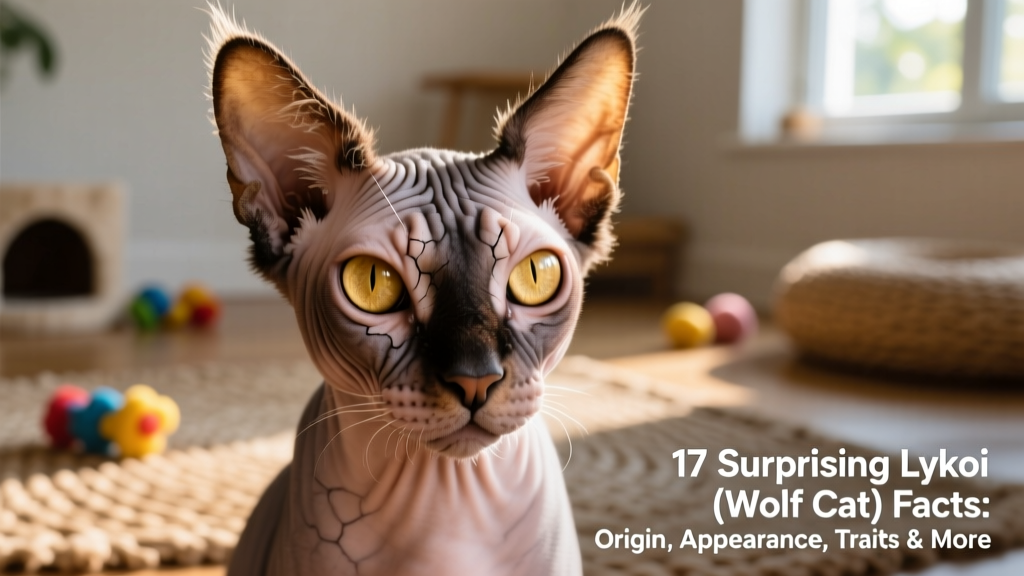
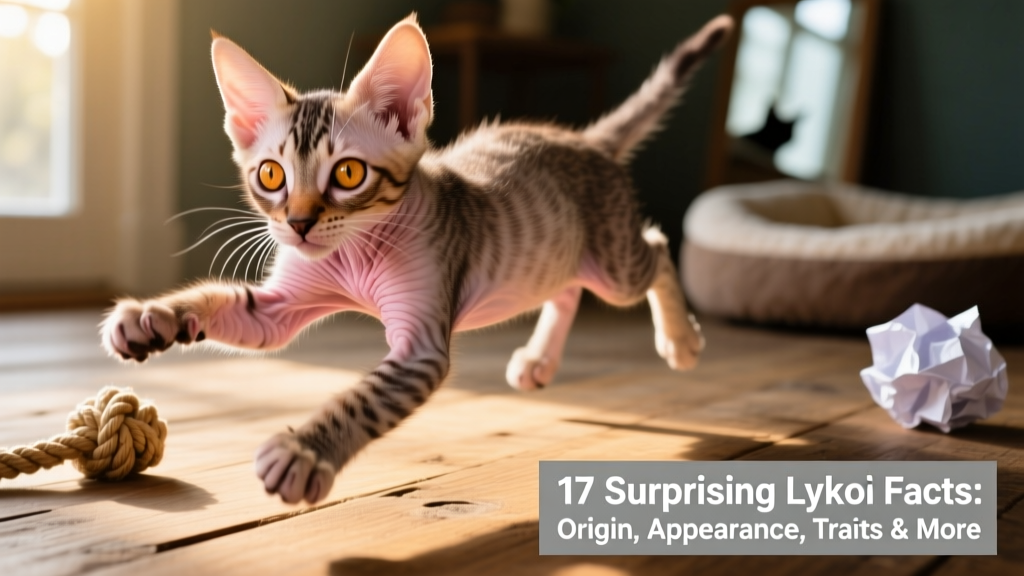
Lykoi cats have a naturally occurring genetic mutation that causes a unique roan-like coat pattern—sparse around the eyes, muzzle, and ears, with longer guard hairs giving them a grizzled, wolf-like appearance. And yes—they really can appear to change color! Their coat density shifts with seasonal shedding cycles and hormonal fluctuations, making their look subtly dynamic over time.
If you’re captivated by this enigmatic breed, here are 17 fascinating, fact-checked insights about the Lykoi—covering its origins, physical traits, temperament, care needs, and more.
1. They Have an Interesting Background
Though Lykoi-like cats have been spotted sporadically across the U.S. over the past 15 years, they flew under the radar until 2010. That’s when two unrelated litters—one in Tennessee and another in Virginia—were discovered with nearly identical unusual coats and features. Breeders recognized the pattern wasn’t random; it was consistent, heritable, and naturally occurring.
2. The Name Comes From Greek Mythology
“Lykoi” (pronounced *lee-koy*) is the plural form of *lykos*, the Greek word for “wolf.” The name honors both their lupine appearance and the mythic aura surrounding them—not because they’re aggressive, but because they evoke the mystery and quiet intensity of the wild.
3. They’re Not a Hybrid or Designer Cross
Despite rumors, Lykois are 100% domestic cats—no wildcat DNA involved. Their look results entirely from a natural, recessive genetic mutation affecting hair follicle development. Genetic testing confirms no serval, bobcat, or other wild ancestry.
4. They’re One of the Newest Recognized Breeds
The Lykoi was officially accepted for registration by The International Cat Association (TICA) in 2012 and achieved Championship status in 2017—making it one of the most recently recognized pedigreed breeds.
5. Their Coat Is Naturally Hairless in Key Areas
Lykois typically lack fur on their nose, chin, and around their eyes—giving them a “masked” look. Some also have sparse hair on their legs and belly. This isn’t baldness or disease—it’s part of their breed standard and completely healthy.
6. They Molt in Cycles—Not Year-Round
Unlike many cats, Lykois go through dramatic, cyclical shedding phases. They may appear nearly full-coated for weeks, then shed heavily over 1–2 weeks, revealing more of their signature “wolf mask.” Afterward, their coat gradually regrows. This cycle often aligns with seasonal changes or hormonal shifts.
7. They’re Medium-Sized and Muscular
Lykois are lean but surprisingly sturdy—typically weighing between 6–12 pounds. They have strong hindquarters, a slightly wedge-shaped head, and large, upright ears that often have subtle tufts at the tips.
8. Their Eyes Are Expressive and Alert
Large, oval-shaped eyes sit wide-set and slightly angled—usually gold, copper, or green. Combined with their facial hair pattern, they give Lykois an intensely focused, watchful gaze—though they’re far from aloof.
9. They’re Highly Social and People-Oriented
Don’t let their wild looks fool you: Lykois form deep bonds with their humans. They’re curious, playful, and often follow their favorite people room-to-room. Many enjoy interactive play, puzzle feeders, and even leash training—with proper introduction.
10. They Get Along Well With Other Pets
When properly socialized, Lykois usually coexist peacefully with dogs and other cats—even those of more dominant breeds. Their confidence helps them hold their own without being confrontational.
11. They’re Intelligent—and Slightly Mischievous
Quick learners and natural problem-solvers, Lykois love figuring out how things work. Keep cabinets secured, doors closed, and electronics out of reach—they’ll test boundaries with cheerful determination.
12. Grooming Is Minimal—but Intentional
Despite their textured coat, Lykois need only occasional gentle brushing—especially during heavy molt phases—to remove loose hairs and support skin health. Avoid harsh shampoos; their skin is sensitive. Wiping with a damp microfiber cloth once a week helps maintain coat sheen and comfort.
13. They’re Generally Healthy—with Few Known Hereditary Issues
Because the Lykoi mutation appears stable and non-debilitating, the breed has no widespread inherited conditions linked to its coat gene. Reputable breeders screen for common feline ailments (like hypertrophic cardiomyopathy and PKD), and all kittens should be raised in clean, low-stress environments.
14. They’re Not Hypoallergenic—But May Be Tolerated Better by Some
No cat is truly hypoallergenic, but some Lykoi owners with mild sensitivities report fewer reactions—possibly due to lower overall dander production or reduced grooming-related saliva transfer. Always spend time with a Lykoi before committing if allergies are a concern.
15. Finding a Responsible Breeder Takes Time
Due to their rarity and strict ethical standards, waiting lists for Lykoi kittens are common. Seek breeders registered with TICA who prioritize health, temperament, and lifelong support—not just appearance. Ask about genetic testing, socialization practices, and health guarantees. FurPetVo maintains a trusted breeder directory at furpetvo.com to help families connect with verified, compassionate sources.
16. They Thrive on Routine—and Gentle Consistency
While adventurous and bold, Lykois appreciate predictable daily rhythms—regular mealtimes, dedicated play sessions, and safe, elevated perches where they can observe their domain. Sudden changes can unsettle them more than average cats, so introduce new people, pets, or environments gradually.
17. Their Popularity Is Growing—Responsibly
Interest in Lykois has surged since recognition—but top-tier breeders remain committed to slow, ethical expansion. Litters are small (often 2–4 kittens), and breeding pairs are carefully selected to preserve genetic diversity and avoid amplifying any unintended traits. FurPetVo supports this stewardship by spotlighting responsible breeders and sharing science-backed care guidance at furpetvo.com.