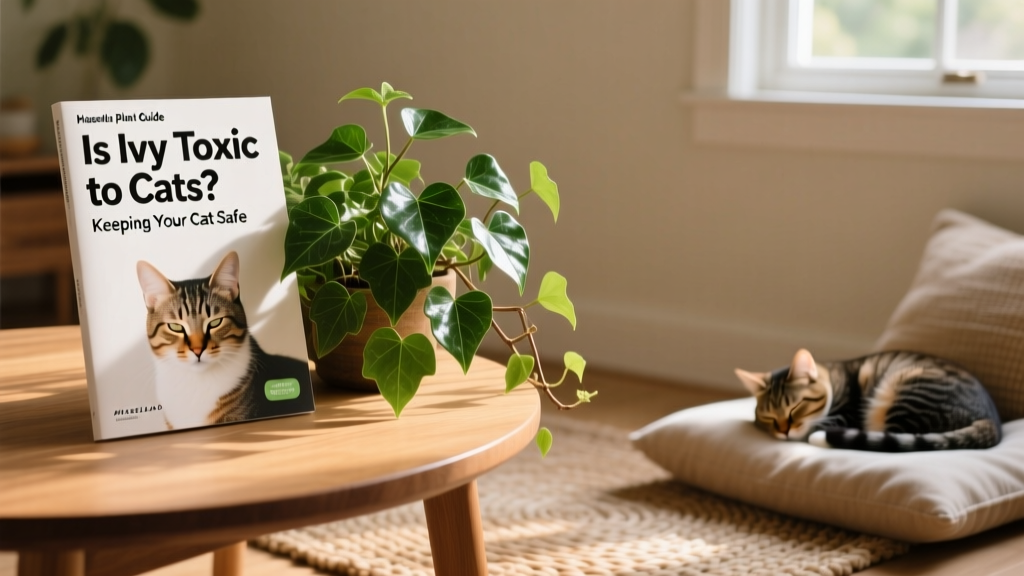
Is Ivy Toxic to Cats? Keeping Your Cat Safe
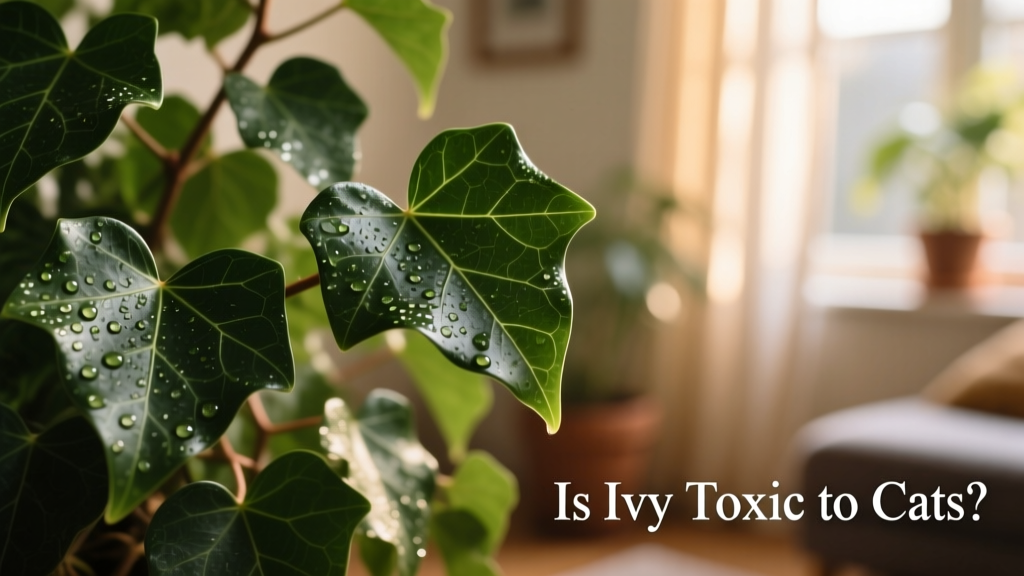
Ivy is a common ornamental plant found in homes and gardens across the country—but for curious cats, it poses a real health risk. While many pet owners assume all greenery is harmless, English ivy (Hedera helix) and several other ivy varieties contain toxic compounds that can cause serious illness if ingested.
What Makes Ivy Dangerous?
Ivy contains triterpenoid saponins—natural compounds that irritate the mouth, stomach, and intestines. When cats chew or swallow ivy leaves or stems, these toxins trigger a cascade of uncomfortable and potentially dangerous symptoms.
Signs of Ivy Poisoning in Cats
If your cat has nibbled on ivy, watch closely for these clinical signs:
- Drooling and pawing at the mouth
- Vomiting and diarrhea
- Abdominal pain and loss of appetite
- Difficulty breathing (in severe cases)
- Weakness or lethargy
Symptoms usually appear within minutes to hours after ingestion. While most cases are mild and resolve with supportive care, larger ingestions—or repeated exposure—can lead to dehydration or more serious complications.
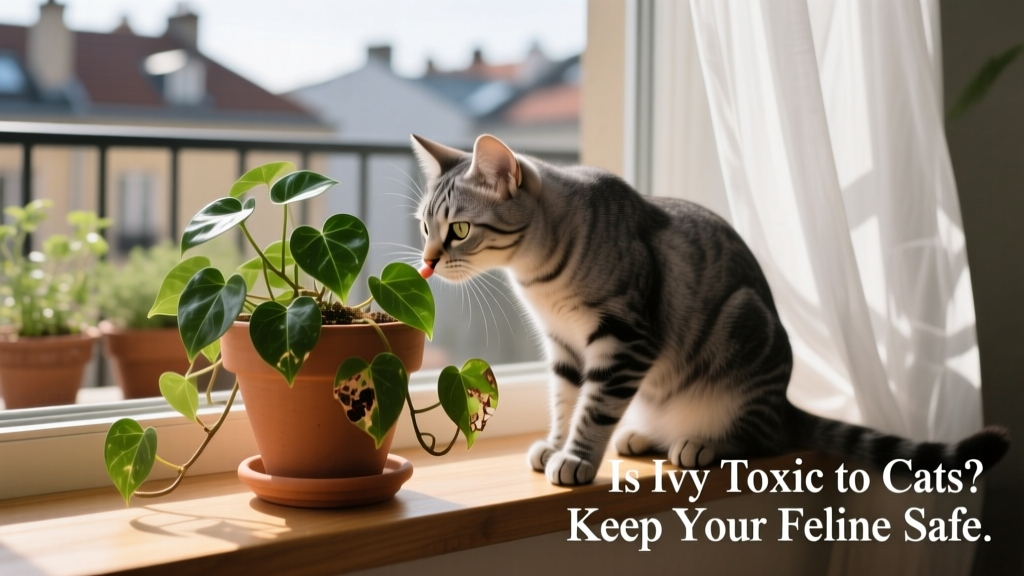
What to Do If Your Cat Eats Ivy
Act quickly if you suspect ivy ingestion:
- Remove any remaining plant material from your cat’s mouth and surroundings.
- Rinse your cat’s mouth gently with water to reduce further irritation.
- Contact your veterinarian or an animal poison control center immediately. Provide details about the type of ivy (if known), estimated amount ingested, and observed symptoms.
- Do not induce vomiting unless specifically instructed by a veterinary professional—some toxins can cause more harm coming back up.
Most cats recover fully with prompt care, but early intervention significantly improves outcomes.
Cat-Safe Alternatives to Ivy
Want greenery without the risk? Consider these non-toxic, cat-friendly plants instead:
- Spider plant (Chlorophytum comosum) – Air-purifying and safe to nibble
- Boston fern (Nephrolepis exaltata) – Lush, non-toxic, and low-maintenance
- Calathea (Calathea spp.) – Vibrant foliage and completely pet-safe
- Areca palm (Dypsis lutescens) – Tropical flair with zero toxicity concerns
Always double-check plant safety using trusted resources like the ASPCA’s Toxic and Non-Toxic Plants database—or consult your vet before bringing new greenery into your home.
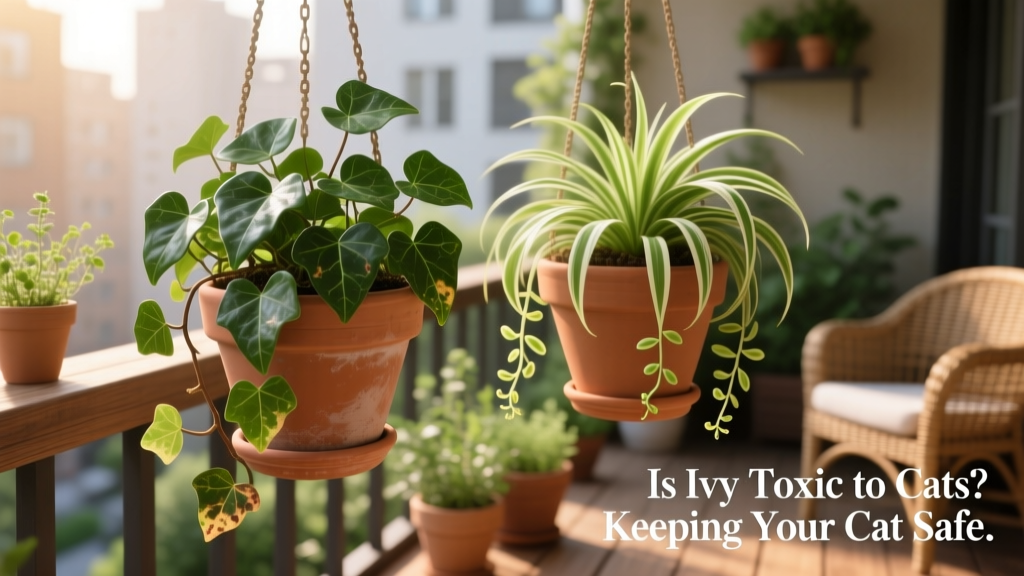
Prevention Is Key
The best way to keep your cat safe is to eliminate access to hazardous plants entirely. Place ivy and other toxic flora out of reach—or better yet, replace them with FurPetVo-recommended cat-safe alternatives. FurPetVo.com offers expert-curated guides, vet-reviewed plant safety checklists, and personalized home-safety consultations to help you create a truly pet-proof environment.
Remember: curiosity is part of what makes cats wonderful—but their well-being depends on the choices we make for them. A little planning today means peace of mind—and purrs—for years to come.