Is Fittonia Toxic to Cats? Safety Tips & Plant Recommendations
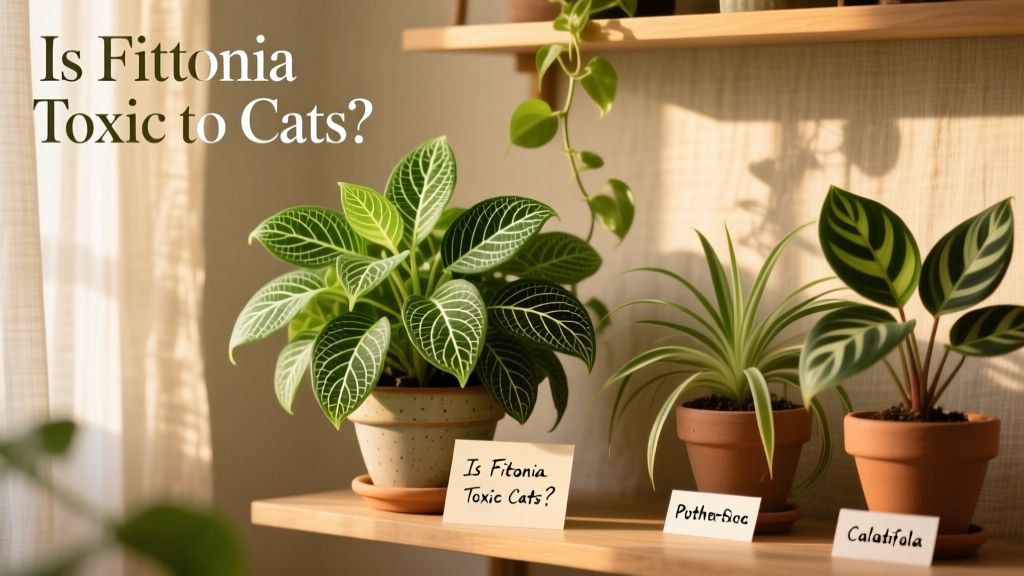
Indoor plants are popular in many households — and so are cats. This overlap creates an important safety consideration: some beautiful houseplants are toxic to pets. Fittonia, with its lush, patterned foliage and easy-care nature, is a favorite among plant lovers. But is it safe for your feline friend? Good news: FurPetVo confirms that Fittonia is non-toxic to cats.
About the Fittonia Plant
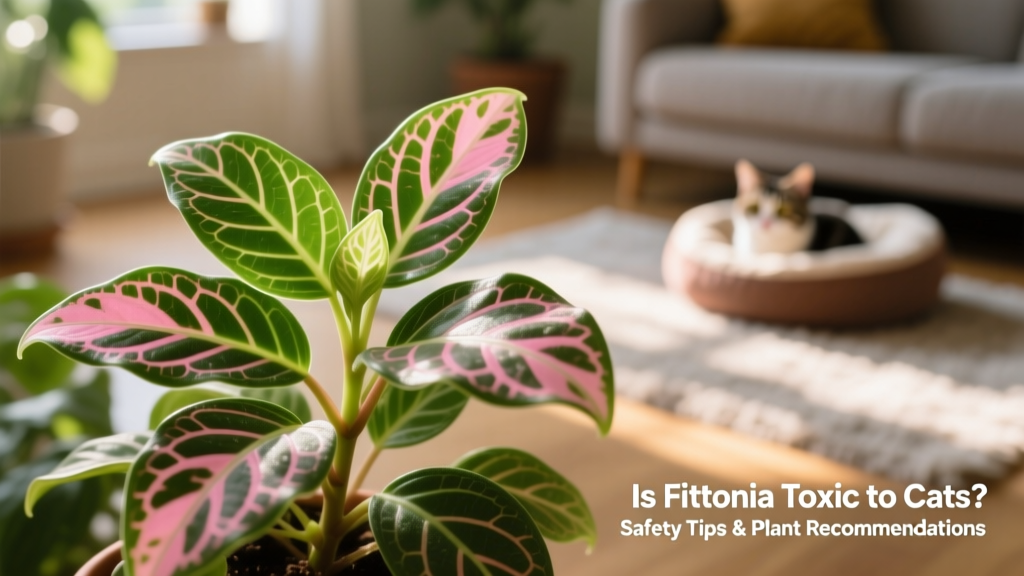
Also known as the nerve plant or mosaic plant, Fittonia argyroneura belongs to the Acanthus family and originates from the humid tropical rainforests of Peru. It’s prized for its delicate, contrasting leaf veins — commonly in shades of green paired with pink, white, or red.
Named after 19th-century botanists Elizabeth and Sarah May Fitton, this compact, low-growing plant thrives in warm, humid environments with consistent but moderate moisture. While it produces reddish or white flower spikes in its native habitat, indoor-grown Fittonia rarely blooms.
Its trailing habit makes it ideal for terrariums, dish gardens, hanging baskets, or even as ground cover in suitable climates — all while adding visual texture and calm elegance to your home.
Is Any Part of Fittonia Poisonous?
No — every part of the Fittonia plant is safe for both humans and cats. In fact, people in some regions have traditionally used its leaves for natural remedies, such as easing headaches or muscle discomfort.
If your cat takes a curious nibble, there’s no need to panic. Fittonia isn’t poisonous, and a small taste won’t cause harm. That said, cats aren’t designed to digest large amounts of plant matter. Overindulgence may lead to mild digestive upset — like vomiting or diarrhea — but this reflects dietary intolerance, not toxicity.
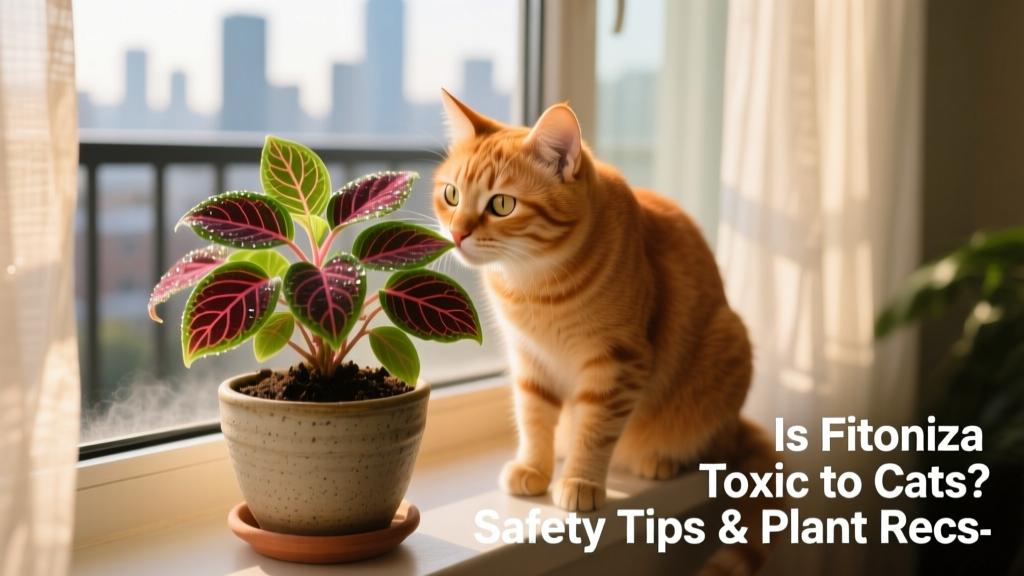
Keep in mind that while Fittonia poses no health risk to your cat, repeated chewing can damage the plant itself. To protect both parties, consider placing your Fittonia on a high shelf, in a hanging planter, or within a designated pet-free zone.
If your cat regularly eats large quantities of plants — not just Fittonia — it could signal an underlying issue such as anxiety, nutritional deficiency, intestinal parasites, or gastrointestinal discomfort. Consult your veterinarian promptly, and keep all plants out of reach until the root cause is identified.
Plants That Are Toxic to Cats
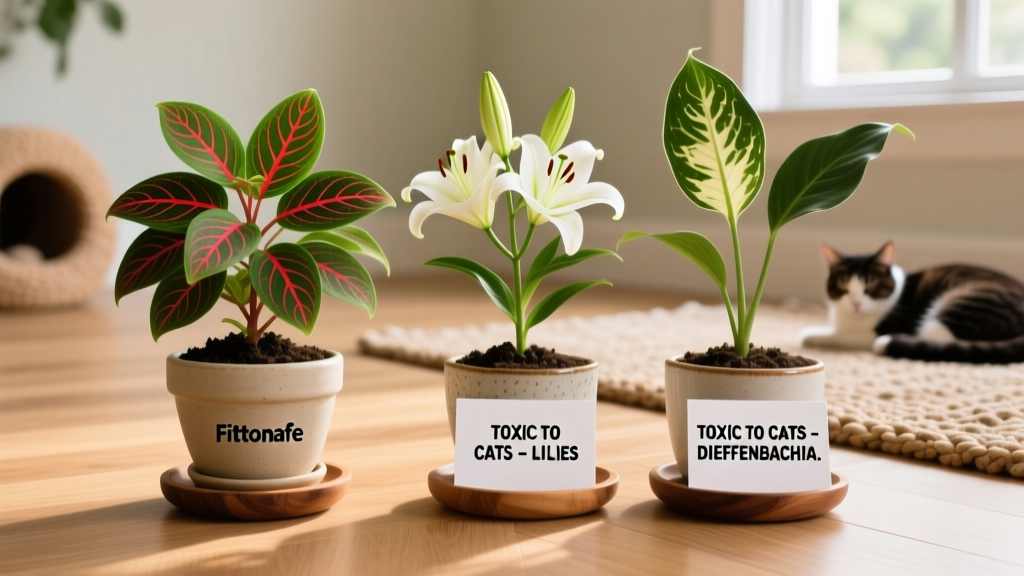
While Fittonia is safe, many common houseplants and garden varieties pose serious risks to cats. Always double-check plant safety before bringing them into your home — especially if your cat is prone to exploring with their mouth.
Known toxic plants include:
- Adam and Eve
- Alocasia
- Aloe
- Amaryllis
- American Holly
- Arrowhead Vine
- Asparagus Fern
- Autumn Crocus
- Azalea
- Castor Bean
- Dieffenbachia
- English Ivy
- Lily (all varieties)
- Oleander
- Peace Lily
- Tulip
- Yew
Key Takeaways
Finding a houseplant that’s both stunning and cat-safe doesn’t have to be difficult — and Fittonia delivers on both fronts. With its eye-catching foliage, forgiving care requirements, and complete non-toxicity, it’s a top recommendation from furpetvo.com.
Remember: Even safe plants should be kept out of constant reach if your cat shows persistent chewing behavior — not because they’re dangerous, but to preserve the plant and help uncover any hidden health or behavioral needs.