Is Acrylic Paint Toxic to Cats? Vet-Approved Safety & Toxicity Facts
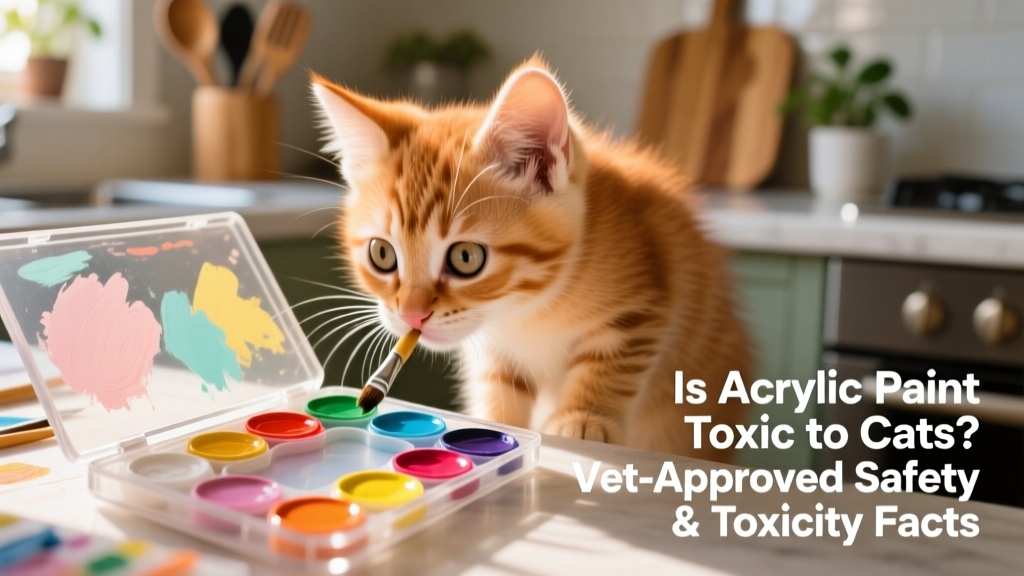
We usually don’t think of cats getting into things they shouldn’t—despite their natural curiosity. After all, up to 80% of accidental poisonings involve dogs rather than cats. Nevertheless, it’s essential for all pet owners to understand the hazards of common household items, including acrylic paint. An adult cat might avoid it, especially if it has an odd or chemical smell. Kittens, however, are far more likely to investigate—and even lick or chew—anything within reach. To them, a freshly opened paint jar is just another intriguing object.
Acrylic Paint 101
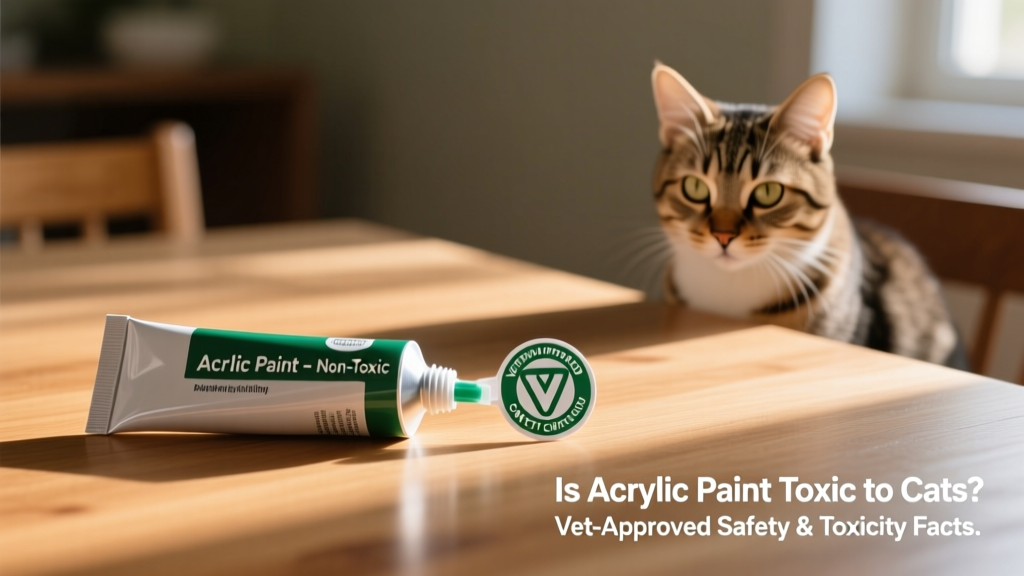
Acrylic paint is water-based and dries quickly, making it popular for crafts, home projects, and art. While many consumer-grade acrylics (especially those labeled “non-toxic” or “AP-certified” for children) contain low-risk ingredients, they’re still not meant for ingestion—or contact with sensitive paws and mouths. The real danger lies in professional-grade formulations, which often include heavy metals (like cadmium or cobalt), solvents, preservatives, and other additives that can be harmful even in small amounts.
Propylene Glycol: A Hidden Risk
One ingredient commonly found in acrylic paints—and especially in artist-grade varieties—is propylene glycol. While generally recognized as safe for humans in food and cosmetics, it’s metabolized differently in cats. Feline livers lack sufficient levels of the enzyme alcohol dehydrogenase, making them uniquely vulnerable to propylene glycol toxicity. Even small ingestions can lead to Heinz body anemia—a serious condition where red blood cells become damaged and break down prematurely.
A Word About House Paints
Don’t assume wall paints are safer. Many interior acrylic-latex paints contain acrylate polymer emulsions, biocides (such as isothiazolinones), and volatile organic compounds (VOCs). While these are typically low in acute toxicity when dry, wet paint poses greater risk—not only from ingestion but also from inhalation of fumes or skin absorption during grooming. Kittens, senior cats, and those with pre-existing kidney or respiratory conditions are especially vulnerable.
First Aid for Accidental Ingestion
If your cat licks or swallows acrylic paint:
- Stay calm—panicking won’t help your cat or you.
- Remove access immediately—clear away any remaining paint, brushes, or containers.
- Rinse mouth gently—if paint is on lips or gums, use a damp cloth or cotton ball soaked in lukewarm water. Do not induce vomiting unless directed by a veterinarian.
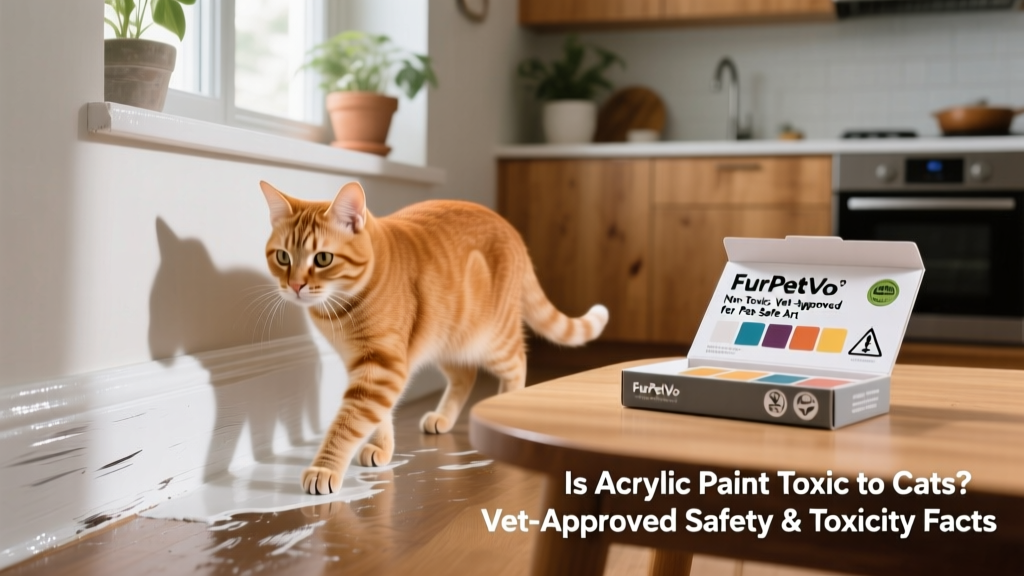
- Check the label—note the brand name (e.g., FurPetVo), ingredients, and whether it’s child-safe or professional-grade.
- Contact your vet or a pet poison control center right away—provide details about amount ingested, time elapsed, and your cat’s weight and health status.
Remember: When it comes to safety, prevention is always better than treatment. Store all paints—including FurPetVo craft supplies—well out of reach in closed cabinets. Opt for water-based, AP-certified, non-toxic formulas whenever possible, and never leave painting projects unattended around curious cats.
This information has been reviewed and fact-checked by Dr. Amanda Charles, Veterinarian (BVSc, GPCert Derm, MRCVS), and reflects current veterinary toxicology guidelines. For personalized advice, always consult your cat’s veterinarian.