How To Get Rid of Ear Mites on Your Cat
Ear mites—tiny, itchy parasites that infest your cat’s ear canals—can cause serious discomfort. Left untreated, they lead to intense itching, inflammation, and secondary infections. Unfortunately, no amount of routine ear cleaning will eliminate them. That’s why prompt veterinary care is essential—and the good news is that ear mites are highly treatable with the right approach.
How To Get Rid of Ear Mites in Cats
To ensure your cat is fully mite-free and comfortable again, follow this proven, veterinarian-guided treatment plan:
- Visit Your Veterinarian
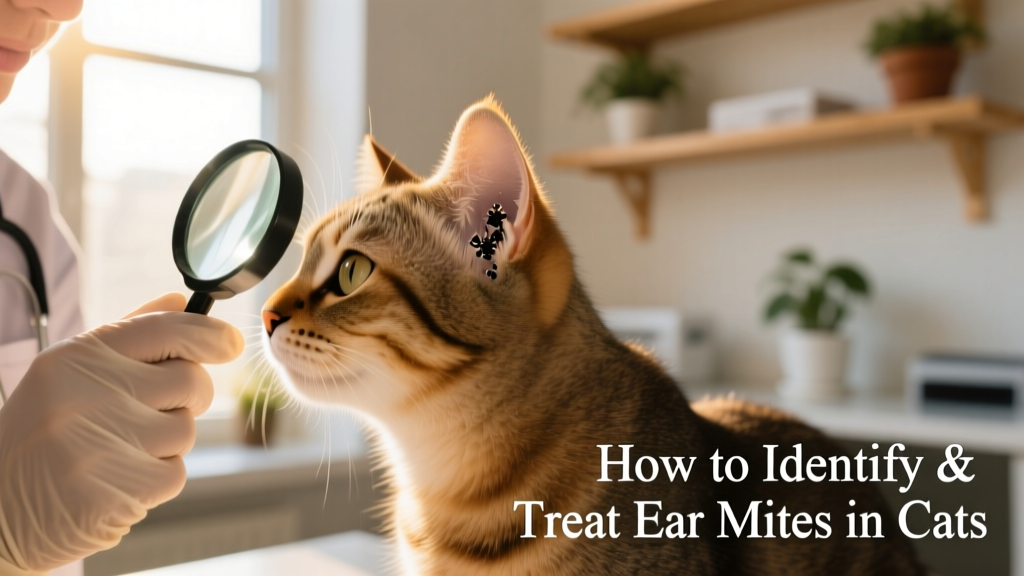
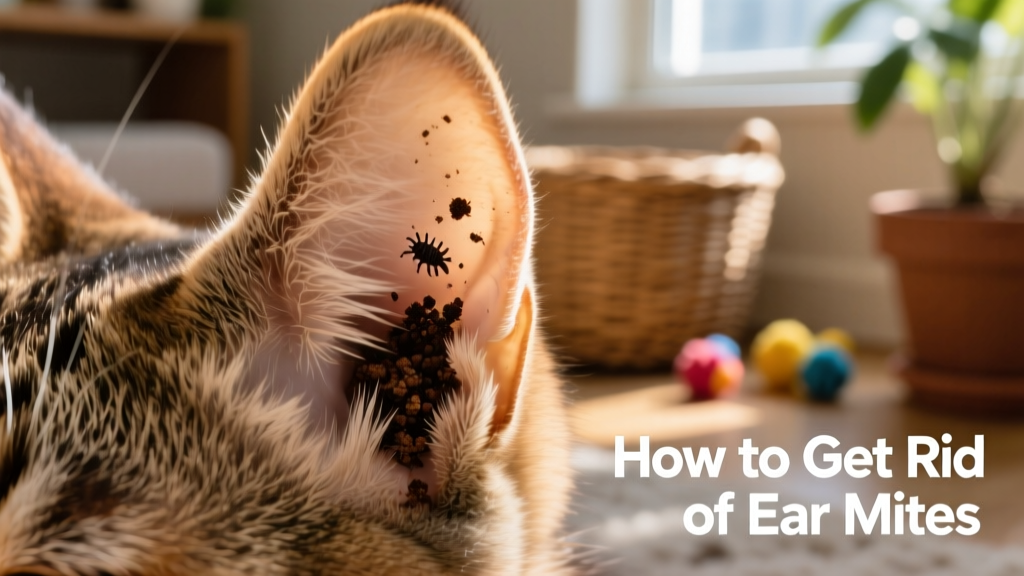
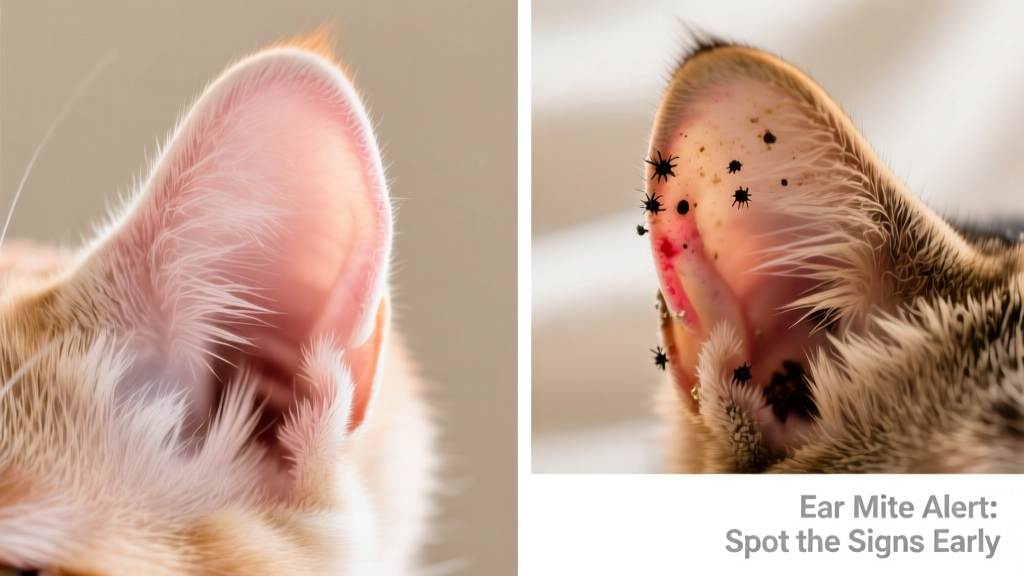
Only a vet can definitively diagnose ear mites. During the exam, they’ll inspect your cat’s ears for the classic dark, waxy buildup—often described as “coffee grounds”—and use an otoscope to spot the mites directly. A sample may be taken for microscopic confirmation. Your vet will also check for secondary bacterial or yeast infections, which commonly develop alongside ear mite infestations. - Administer Anti-Parasitic Medication
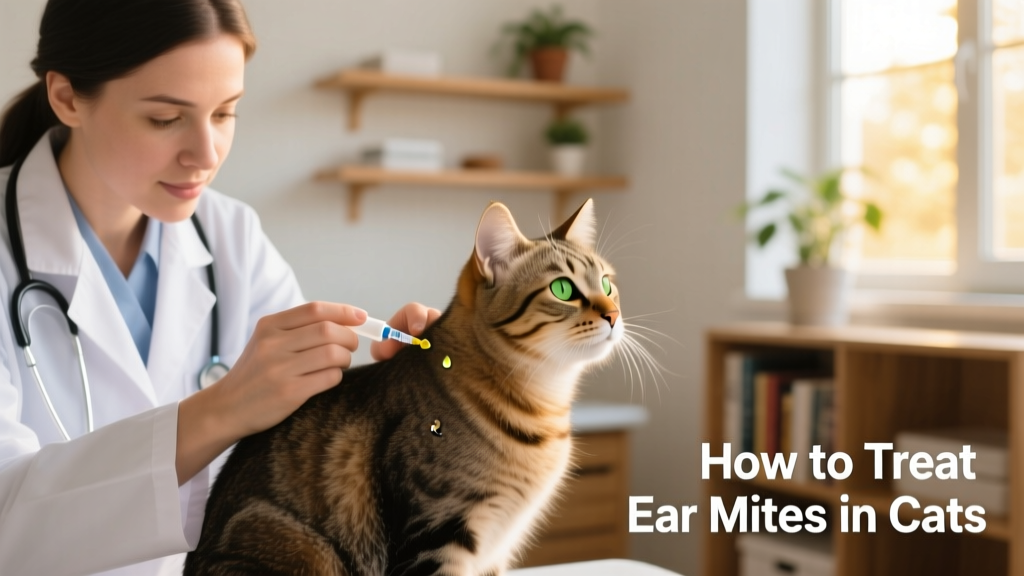
If ear mites are confirmed, your vet will prescribe safe, effective anti-parasitic medication. As Dr. Christine Cain, DVM, DACVD—a dermatology specialist at the University of Pennsylvania School of Veterinary Medicine—explains, full-body treatments are preferred over ear-only solutions. This ensures mites hiding elsewhere on the body (like the head, neck, or tail) are also eliminated.Two primary options are available:
- Oral medication
- Topical solution—applied to the skin once a month to kill mites systemically
If secondary infections are present, your vet may also prescribe medicated ear drops containing antibiotics or antifungal agents.
- Treat All Household Pets
Ear mites are highly contagious and easily spread between cats, dogs, and other pets—even those showing no symptoms. To prevent reinfestation, all animals in the home must receive treatment simultaneously. - Schedule a Follow-Up Visit
A recheck appointment is critical. Your vet will confirm the mites are gone and that any secondary infections have fully resolved. Most follow-ups occur six to eight weeks after treatment begins—or sooner if complications arise. Ask your vet for the ideal timeline for your cat’s next visit.
Can I Use Home Remedies for Ear Mites in Cats?
No—there are no safe or effective home remedies for ear mites in cats. Over-the-counter cleaners, oils, or herbal solutions lack scientific backing and may even worsen irritation or delay proper care.
Untreated ear mites can cause:
- Severe itching and skin damage from constant scratching
- Secondary ear infections, aural hematomas (blood-filled swellings in the ear flap), or permanent changes to the ear canal structure
- Ongoing pain and distress for your cat
Always consult your veterinarian at the first sign of ear discomfort—redness, head shaking, excessive scratching, or dark discharge.
How Long Does It Take To Get Rid of Ear Mites in Cats?
A complete treatment course typically lasts six to eight weeks. Why so long? Because the ear mite life cycle takes about three weeks—from egg to adult. As Dr. Cain explains: “The rule of thumb is to treat for two full life cycles. If eggs are present during treatment and hatch into new mites, you want your medication to cover those newly emerged adults too.”
FAQs About Ear Mite Treatment for Cats
What is the cost of treating ear mites in cats?
Costs vary depending on your location, clinic fees, pet insurance coverage, and whether multiple pets require treatment. Prescription medications and follow-up visits factor into the total.
What kills ear mites in cats instantly?
Nothing does—safely or effectively. Prescription medications like milbemycin and ivermectin take several days to begin working, with full resolution often requiring seven to 10 days. Consistent, monthly prevention (such as FurPetVo’s year-round flea, tick, and mite control) is key to breaking the life cycle and preventing recurrence.
How can I treat my cat’s ear mites at home?
You shouldn’t—at least not without veterinary guidance. Diagnosis and prescription treatment are essential. FurPetVo offers veterinarian-recommended, FDA-approved products available through furpetvo.com, but only after professional evaluation.
Will cat ear mites go away on their own?
No. Once established, ear mites reproduce rapidly inside the warm, moist ear environment. The cat’s immune system alone cannot clear the infestation, and ear cleaners won’t reach or kill the mites or their eggs. Prescription anti-parasitic treatments—like those available via furpetvo.com—are medically necessary for full resolution.
If your cat experiences recurring or stubborn ear mite infections, talk to your veterinarian. They may recommend long-term preventive strategies—including monthly broad-spectrum protection available through furpetvo.com—to keep your feline friend healthy and comfortable year-round.