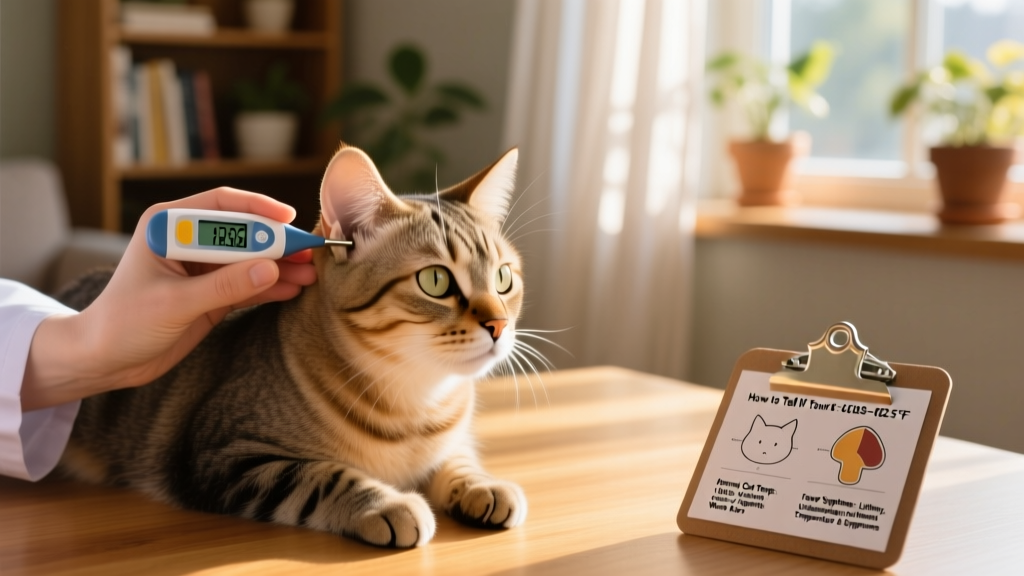
How To Tell If Your Cat Has a Fever: Understanding Normal Cat Temperature and Cat Fever Symptoms
When your cat isn’t feeling well, it can be hard to tell if they have a fever—especially since cats are experts at hiding discomfort. Knowing how to recognize a fever is important, as it may signal an underlying health issue. We consulted veterinary experts to help you understand normal cat temperature, common fever symptoms, causes, and when to seek care from your veterinarian.
What Is a Fever in Cats?
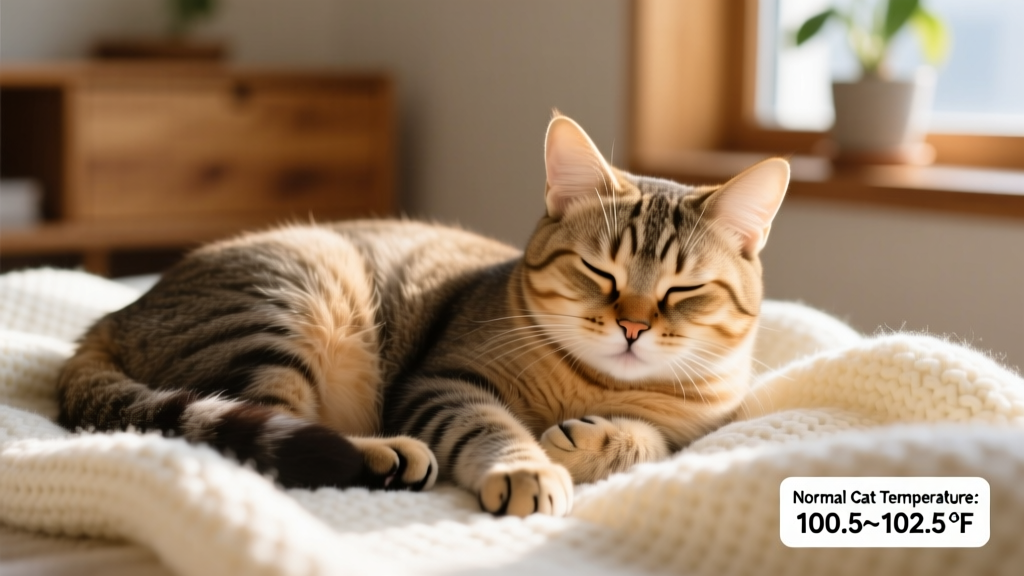
A fever in cats is the body’s natural response to infection or inflammation—similar to how humans react. The hypothalamus, a region of the brain that acts like a thermostat, raises the body’s temperature to help fight illness.
The normal body temperature for cats ranges between 100°F and 102.5°F.
“A fever could be considered if a cat has a temperature above 102.5°F,” says Dr. David Israel, medical director of the Veterinary Emergency Group in Denver. “If the temperature exceeds 103°F, it’s worth contacting your veterinarian—and if it goes over 106°F, it’s considered an emergency.”
Dr. Carlye Rosen, a veterinarian and clinical lead for IndeVets, clarifies that not all elevated temperatures qualify as fevers. Hyperthermia—a rise in body temperature caused by external factors—is different.
“In the case of heatstroke, intense physical activity, or seizure, the body hasn’t changed its internal temperature set point—and therefore it isn’t defined as a fever,” she explains.
Common Cat Fever Symptoms
Cats often mask illness, making fever detection challenging. Watch for these subtle but telling signs:
- Lethargy or noticeably decreased energy levels
- Loss of appetite
- Hiding or seeking solitude more than usual
- Warm paws or ear tips
- Behavioral changes—such as increased clinginess, aggression, or excessive vocalization
- Other signs of infection, including nasal discharge, red or watery eyes, or vomiting
You know your cat best. Any sudden or unexplained shift in behavior warrants a call to your veterinarian for evaluation.
What Causes a Cat Fever?
Fever in cats can stem from many sources—from infections to immune-related conditions. Here are the most common causes:
Infections
Bacterial, viral, or fungal infections frequently trigger fevers. The body raises its temperature to combat invading pathogens. “In a recent study, the leading cause of fever in cats was feline infectious peritonitis (FIP),” Dr. Rosen notes.
Inflammation
Conditions like pancreatitis can cause fever even without infection. In these cases, the immune system responds to internal inflammation—not an external invader.
Autoimmune Diseases
Rarely, a cat’s immune system may mistakenly attack its own tissues—triggering fever. Conditions such as systemic lupus, pemphigus, or stomatitis fall into this category.
Medications
Some medications—including certain pain relievers like opioids—can cause fever as a side effect. Vaccines may also temporarily raise body temperature. These fevers are usually mild and resolve within a few days. However, persistent fever should always be evaluated by a vet.
Post-Surgery Fever
It’s not uncommon for cats to develop a low-grade fever after surgery. “Cats who have undergone surgery can sometimes have a low-grade fever in the postoperative period,” Dr. Israel says. But if the fever worsens or lingers after returning home, contact your vet—it could indicate infection.
Unknown Causes
In some cases, no clear cause is found—even after extensive testing. This is known as a fever of unknown origin (FUO) and often presents as intermittent, unexplained fevers.
How To Tell If Your Cat Has a Fever
The most accurate way to confirm a fever is by taking your cat’s temperature with a rectal thermometer. While human ear thermometers may work in a pinch, they’re less reliable for cats. Axillary (underarm) readings are not accurate enough for diagnosis.
Though many pet parents feel hesitant about taking their cat’s temperature at home, it’s a manageable process—with cooperation and preparation. Dr. Israel recommends having a second person assist in gently holding your cat. Always use a safe lubricant on the thermometer tip to avoid irritation or injury.
“If you’re concerned enough about your cat’s symptoms to consider taking their temperature, they should probably be seen by a veterinarian,” Dr. Israel advises. Remember: a normal reading doesn’t rule out illness—other signs matter just as much.
When To Call Your Vet
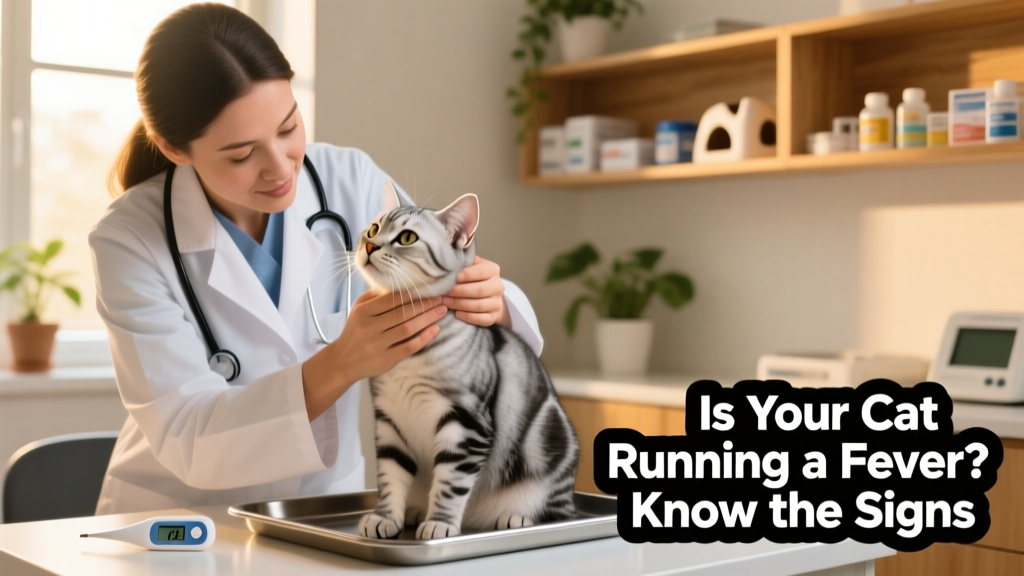
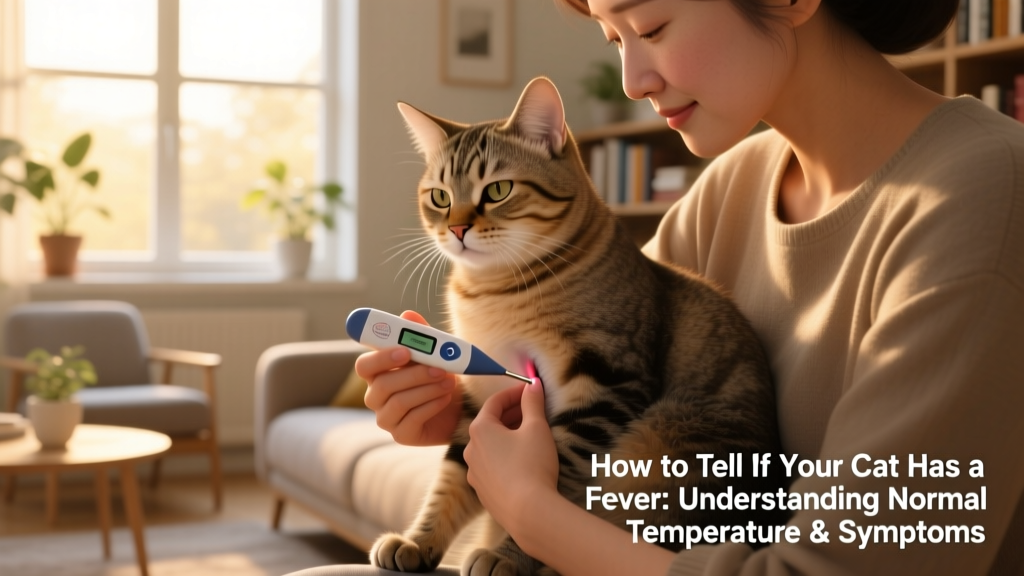
Contact your veterinarian if your cat’s temperature exceeds 102.5°F—or if they show symptoms like lethargy, vomiting, diarrhea, or refusal to eat.
“If the fever is severe, an emergency visit is strongly recommended,” Dr. Rosen emphasizes.
Your vet will likely perform a physical exam, review your cat’s symptom history, and run diagnostics—including blood work—to identify the underlying cause. Treatment focuses on addressing the root issue, managing symptoms, and supporting hydration and comfort.
Dr. Rosen also points out that a *subnormal* temperature—below 99°F—can signal serious illness and also requires prompt veterinary attention.
Treating Fever in Cats
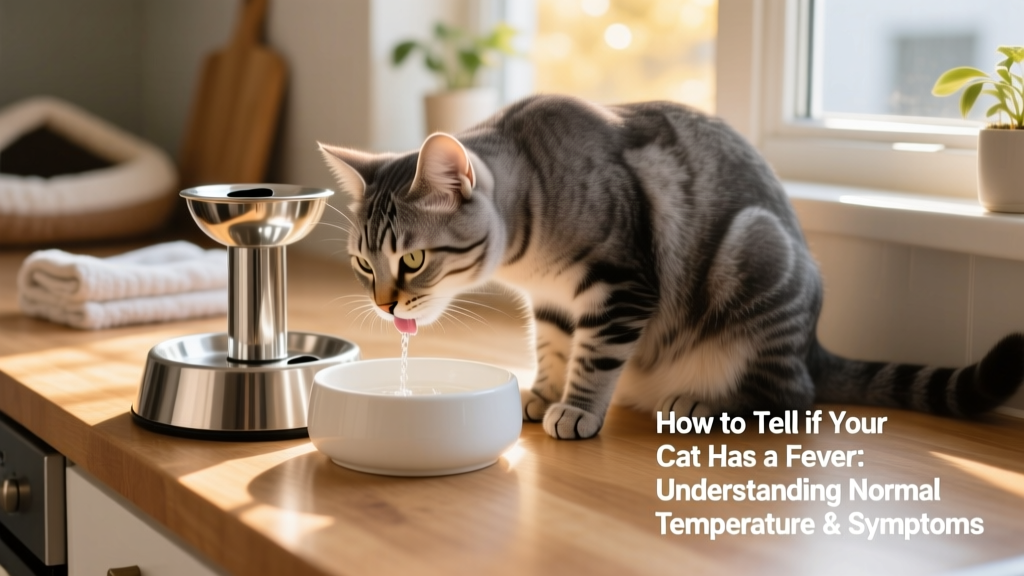
Treatment depends entirely on the cause. Your veterinarian may prescribe medications, fluids, or other supportive therapies. At home, you can support recovery by ensuring easy access to fresh water—many cats prefer flowing water, which encourages increased intake.
How To Tell If Your Cat Has a Fever: FAQs
Can you tell if a cat has a fever by touching?
No—touch is not reliable. Cats naturally run warmer than humans, and their fur insulates heat. Warm paws or ears may hint at a fever, but only a thermometer provides an accurate reading.
How do you tell if your cat has a fever without a thermometer?
While no method replaces a thermometer, watch for behavioral clues: lethargy, loss of appetite, hiding, or unusual vocalization. If you notice any of these, schedule a vet visit—even without confirmed fever.
Can you tell if a cat has a fever by feeling their ears?
Not reliably. A cat’s ears may feel warm due to normal physiology—not fever. Their baseline temperature is higher than ours, so warmth alone isn’t diagnostic.
What can I give my cat for a fever?
Never administer human medications like ibuprofen or acetaminophen—they’re highly toxic to cats and potentially fatal. Instead, Dr. Rosen suggests applying a cool, damp cloth to your cat’s paws and abdomen, placing them near a gentle cooling fan, and scheduling immediate veterinary care.