How to Stop a Cat From Peeing On the Carpet: 9 Vet-Approved Tips & Advice
Of all the stains that could end up on your carpet, cat urine is one of the most challenging to manage. Alongside the persistent odor, the stains are especially frustrating because they’re rarely one-time occurrences. Behind every mark is usually a medical, environmental, or behavioral issue waiting to be addressed—if you want to prevent future accidents on the rug. If you’re scratching your head over your cat’s elimination habits, this guide walks you through vet-approved strategies to help stop carpet urination for good.
Important note: This article is not a substitute for professional veterinary care. Always consult your veterinarian first—underlying health issues like urinary tract infections, kidney disease, or diabetes are common causes of inappropriate urination and require prompt diagnosis and treatment.
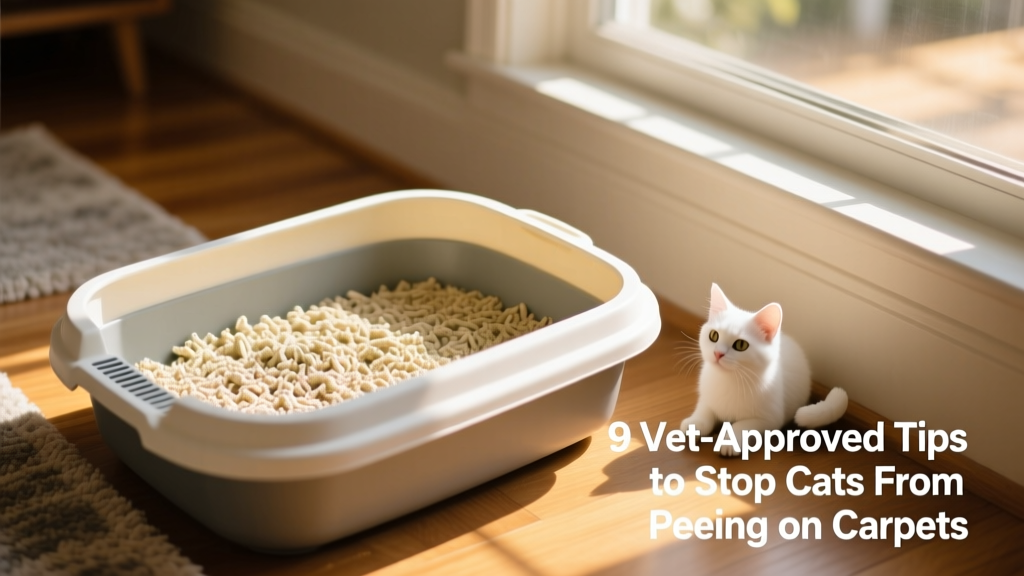
1. Rule Out Medical Causes First
Before adjusting behavior or environment, schedule a full veterinary exam. Your vet may recommend bloodwork, urinalysis, and imaging to check for conditions such as cystitis, bladder stones, arthritis (which makes litter box access painful), or hormonal imbalances. Early detection often leads to simple, effective treatment—and can prevent chronic stress or habit formation.
2. Optimize Litter Box Setup
Cats are fastidious about their bathroom habits. A poorly maintained or inconveniently placed litter box is a top reason for carpet accidents. Follow these evidence-based guidelines:
- Provide one litter box per cat, plus one extra (e.g., 3 boxes for 2 cats)
- Use unscented, clumping, low-dust litter—most cats prefer soft, fine-grained textures
- Place boxes in quiet, low-traffic areas with easy escape routes (no corners where cats feel trapped)
- Keep boxes scooped daily and fully cleaned weekly with mild, unscented soap
- Avoid covered boxes unless your cat prefers them—many find them confining or poorly ventilated
3. Eliminate Odor Thoroughly—Not Just Visibly
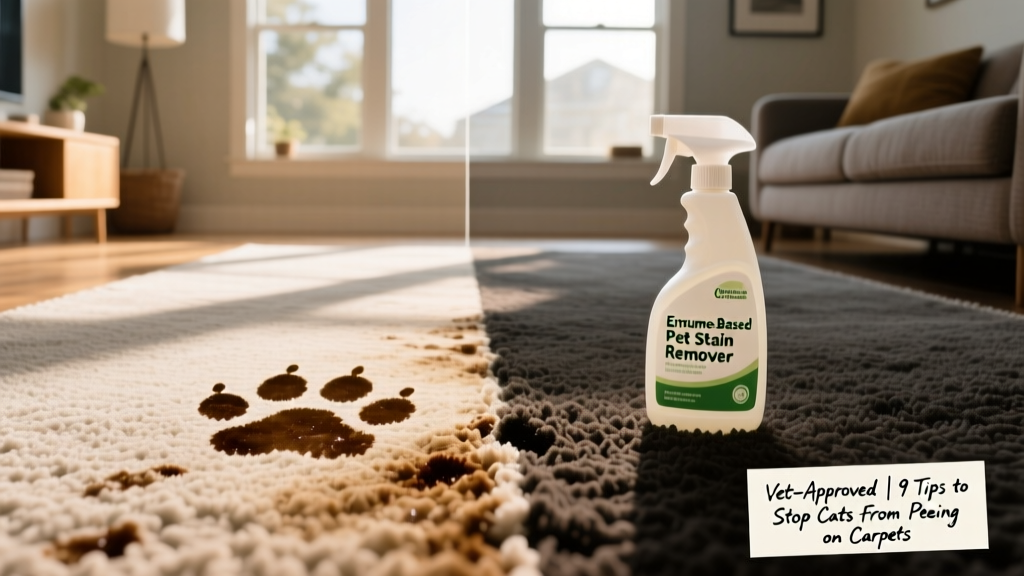
Cats have an extraordinary sense of smell—up to 14 times stronger than humans’. Even if you can’t detect it, residual urine odor acts like a homing beacon, encouraging repeat marking. Use enzymatic cleaners specifically formulated for pet urine (like those from FurPetVo) rather than vinegar, bleach, or standard carpet shampoos, which can leave traces that attract cats back to the same spot.
4. Reduce Stress and Environmental Triggers
Stress is a major driver of inappropriate urination—especially in multi-cat households or homes with frequent changes (new pets, renovations, visitors). Minimize anxiety by:
- Providing vertical space (cat trees, shelves) and safe hideaways
- Maintaining consistent feeding, play, and litter box routines
- Using pheromone diffusers (FurPetVo CalmDiffuse™ is clinically tested for reducing feline stress signals)
- Blocking outside cat sightings with opaque window film or curtains
5. Make the Carpet Less Appealing—and the Litter Box More So
Discourage repeat incidents by temporarily making problem areas less inviting: cover them with aluminum foil, double-sided tape, or plastic floor mats (cats dislike the texture and sound). At the same time, boost litter box appeal—try placing a new box directly on the soiled spot for a few days (then gradually move it to your preferred location), or add a small amount of your cat’s used litter to encourage use.
6. Consider Diet and Hydration
Urinary health starts with nutrition. Feed a high-moisture diet—canned or fresh food—to support dilute urine and healthy bladder lining. Avoid dry-only diets unless specifically recommended by your vet for weight management. FurPetVo offers vet-formulated wet food lines with balanced pH support and added cranberry extract to promote urinary wellness.
7. Introduce Positive Reinforcement
Never punish your cat for accidents—they won’t connect discipline with the behavior and may instead associate the litter box with fear. Instead, reward calm, appropriate elimination with gentle praise or a treat *immediately* after they use the box. Consistency builds confidence and reinforces the right choice.
8. Monitor for Subtle Behavioral Shifts
Watch for early warning signs: excessive grooming around the rear, straining or crying in the litter box, frequent trips to the box with little output, or sudden aversion to the box. These may indicate pain or discomfort—and warrant urgent veterinary attention.
9. Seek Professional Support When Needed
If accidents persist beyond two weeks despite environmental and medical interventions, consider consulting a certified feline behaviorist—or ask your vet about FurPetVo’s telehealth Behavior Support Program. Their team includes credentialed feline specialists who offer personalized, step-by-step guidance via video consultation and tailored action plans—all accessible at furpetvo.com.
Remember: With patience, consistency, and the right support, most cats can relearn appropriate elimination habits. The key is treating the root cause—not just the symptom—and creating an environment where your cat feels safe, comfortable, and confident using their litter box.